Business crating
Why Businesses Invest in Custom Wooden Crates
Businesses face pressure to deliver products safely and efficiently, especially when shipping industrial machinery, sensitive electronics, medical equipment, or high-value commercial goods. Packaging plays a critical role in protecting these assets during transit.
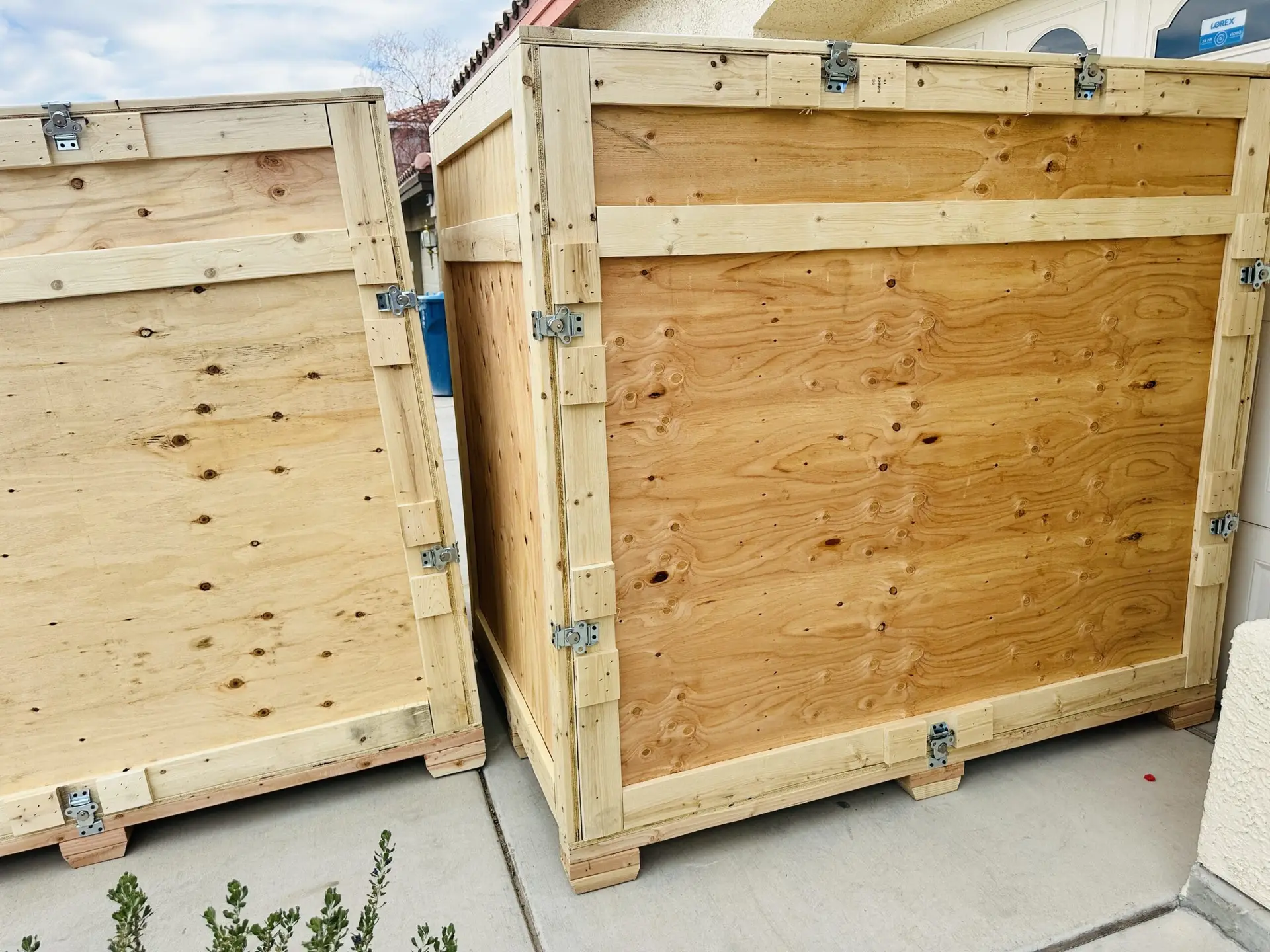
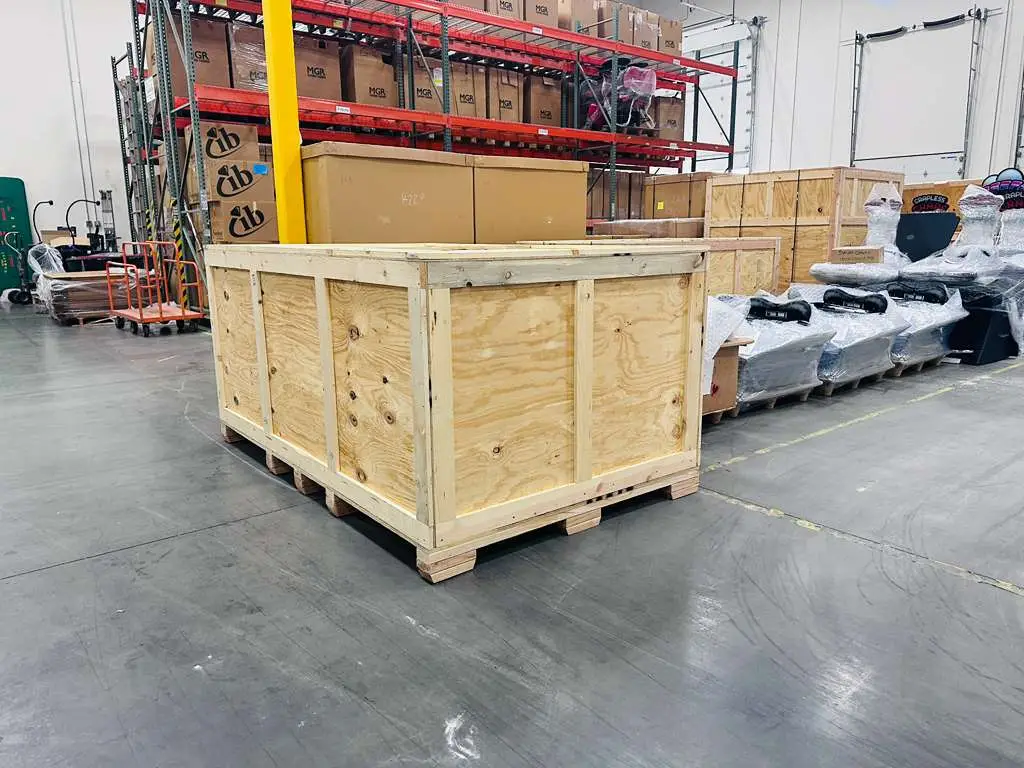
Custom wooden crates offer an outer structure and internal support tailored to the shipment’s size, weight, and fragility. Crates of Las Vegas designs and builds wooden crates around individual requirements. The investment makes the most sense when the crate addresses a defined protection or handling need.
Protection for High-Value and Fragile Goods
High-value and fragile goods are vulnerable to impact, vibration, and shifting during transit. Damage can result in financial loss, delayed projects, or operational disruption, especially when replacements are difficult to obtain.
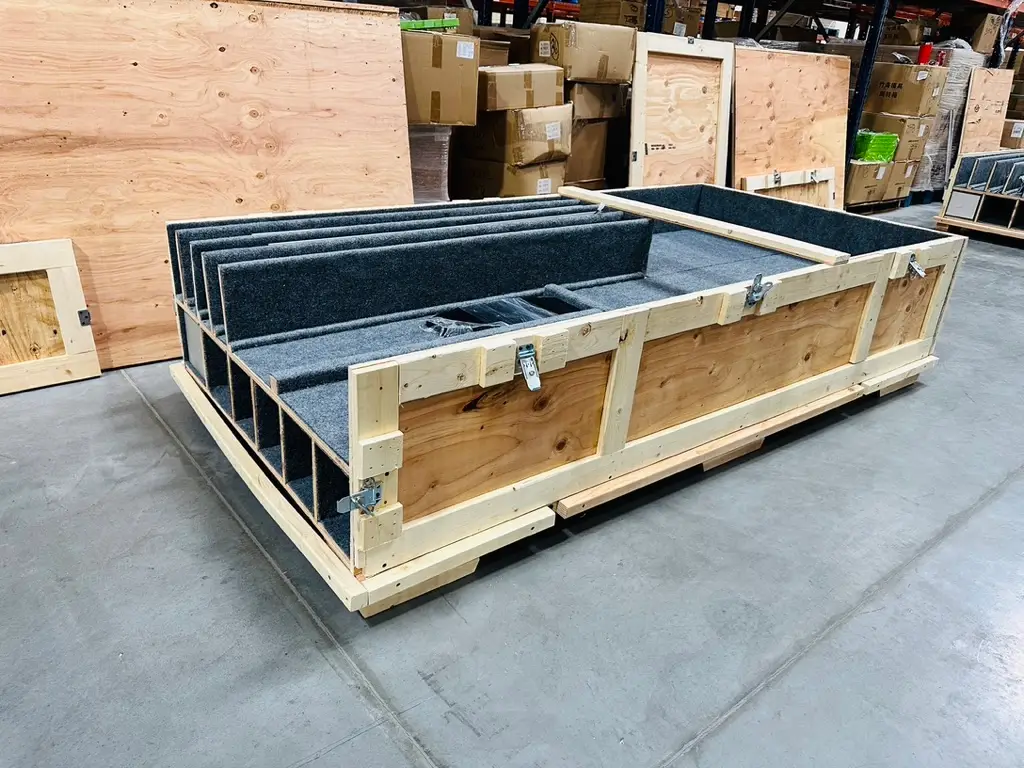
Custom wooden crates combine a rigid enclosure with internal supports selected for the cargo. Reinforced frames help protect against direct contact, while bracing and cushioning address different aspects of restraint and transmitted forces.
The design should reflect the item’s dimensions and weight distribution, including delicate surfaces and parts that must not support the load. A wooden crate is not automatically superior to every other packaging option; it should be selected because its construction suits the product and transport conditions.
Custom-Fit Design for Complex Equipment
Every piece of industrial or commercial equipment has its own dimensions, handling requirements, and sensitivity levels. A custom crate allows the internal space, supports, and protective materials to be planned around those details.
Foam inserts, blocking, bracing, or specialized mounts may be appropriate depending on the cargo. A close fit still needs room for suitable protection and a practical way to pack and unpack the item. Secure restraint should not put pressure on vulnerable components.
For oversized machinery, delicate instruments, or irregularly shaped cargo, provide drawings, manufacturer instructions, and verified weight information. Discuss custom crate requirements and whether an on-site measurement or assessment would help before construction begins.
Preparing for International Shipping Requirements
For companies involved in global trade, packaging compliance is an important part of planning. Check the destination’s wood-packaging treatment and marking requirements before ordering an export crate.
Do not assume every wooden component or domestic crate is automatically export-ready. Explain the destination and route to the builder, and ask how the relevant requirements will be addressed in the proposed packaging.
Handling labels and crate markings also need to be appropriate for the shipment. Wood-packaging compliance does not replace cargo-specific customs paperwork, permits, or carrier requirements. Confirm those responsibilities with the parties arranging the international move.
Cost Savings Through Damage Prevention and Efficiency
Although custom wooden crates require an upfront investment, the business case includes more than the purchase price. Damaged goods can lead to repairs, replacement, delayed deliveries, return shipping, and customer dissatisfaction.
A crate designed for the product and route can help reduce avoidable damage. The actual savings depend on the shipment and should be evaluated using project costs and shipping experience rather than assumed as a universal benefit.
Efficient dimensions can reduce unnecessary bulk, but the crate also adds weight and must leave space for protection. Compare freight quotes using finished dimensions and gross weight. If repeat use is planned, include the cost of return transport, inspection, storage, and repacking in the comparison.
Improved Handling and Supply Chain Consistency
Custom wooden crates can make handling more practical when they are designed around the equipment available at origin and destination. Suitable bases and access points help handlers move the packed unit while limiting direct contact with the contents.
Confirm forklift, pallet-jack, or other handling compatibility for the actual crate. Any stacking needs a suitable design and agreed limits; a regular rectangular shape alone does not establish that it can safely support another load.
For repeat shipments, documented packing instructions and consistent internal layouts can help teams repeat the process. Recheck the specification when the product, weight, route, or handling conditions change. Clear labeling helps communicate the plan, but it remains important to coordinate with the carrier and receiving team.
PLAN YOUR CRATING
Discuss Custom Wooden Crates for Your Business
Businesses invest in custom crates to match cargo protection and handling to a particular shipping need. A useful quote should explain the construction, internal protection, packing scope, and any export or repeat-use requirements.
Contact Crates of Las Vegas with dimensions, weights, photos, destinations, and expected shipment quantities. Include manufacturer instructions, site access, and your schedule so the proposal can address the work your business actually needs.
Discuss Custom Wooden CratesMORE CRATING GUIDES