


On-site planning
When On-Site Crating Saves Time and Money
On-site crating can remove an intermediate trip from the shipping plan. Instead of moving an unprotected item to a packing facility, the crate is assembled and packed where the item is located.
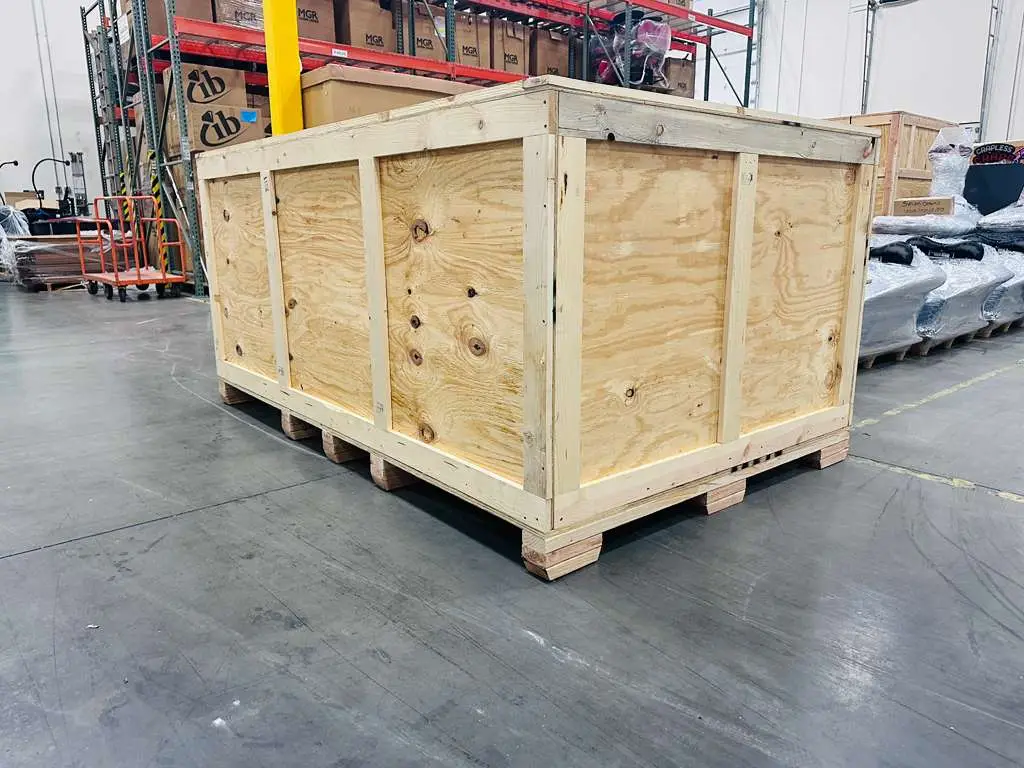
For Las Vegas businesses handling large machinery, artwork or assembled displays, that can reduce handling and simplify coordination. The savings are project-specific: crew travel, site access, fabrication needs and loading arrangements also affect the price and schedule.
What Is On-Site Crating?
The packing team works at the item's location, using materials or prebuilt crate components prepared for the job. Final assembly and securing take place around the actual load.
Typical candidates include:
- Oversized machinery and industrial equipment
- Fragile artwork or large sculptures
- Medical or laboratory equipment with specific transit instructions
- Assembled displays and unusual trade show components
The benefit comes from avoiding an unnecessary uncrated transfer. On-site work does not remove the need for careful measurement, appropriate supports or a safe route for the finished package.
When On-Site Work Is Most Advantageous
Oversized or Irregular Items
A large or awkward load may be difficult to move through a separate packing facility. On-site work can help, provided there is enough room to assemble the crate and move it out afterward.
Fragile or High-Value Cargo
Reducing the number of unprotected moves may be valuable when surfaces, protrusions or sensitive assemblies are vulnerable. Confirm any owner or manufacturer instructions before packing.
Time-Sensitive Shipments
Combining packing and carrier collection at one location can simplify scheduling. It works only when the team, materials, access and loading equipment are confirmed. A short deadline alone does not make on-site crating faster.
Custom Fit Requirements
Final fitting at the site can help with unusual shapes. Accurate advance measurements remain necessary for material planning and freight estimates.
Where Time and Cost Savings Can Come From
Potential savings include:
- Avoiding a separate trip to a packing facility
- Reducing loading and unloading steps
- Coordinating packing with one planned collection
- Building a packing arrangement around an assembled item
- Avoiding repacking caused by incomplete measurements or instructions
Compare those benefits with mobile labor, travel, site restrictions, equipment hire and any waiting time. Also obtain the final packed dimensions and gross weight: a custom crate can increase freight charges compared with the uncrated item.
Ask for the on-site and warehouse alternatives on the same scope. One quote may include collection or loading while another covers only crate construction.
Best Practices for On-Site Crating
Before the crew arrives:
- Supply dimensions, weight, photos and approved handling points
- Confirm doors, lifts, corridors and the finished crate's exit route
- Clear a suitable workspace and agree on permitted work hours
- Identify who provides lifting, rigging or disconnection services
- Make manufacturer transit locks and packing instructions available
- Coordinate the packing appointment with carrier collection
Before the package leaves, check the packing inventory, labels, closure and loading plan. Take condition and packing photographs, and send the receiving team the unpacking information it needs.
Choosing the Right Materials and Export Plan
Select the base, enclosure and interior protection for the actual load. Moisture barriers, cushioning and other measures should respond to identified risks rather than be added as a generic list of upgrades.
For an international route, ask how any regulated solid-wood components will be treated and officially marked. APHIS treatment-program guidance describes the U.S. authorized process. On-site assembly does not waive applicable requirements.
Heat treatment of wood is a pest-control measure, not sterilization of the contents or proof that all packaging materials are suitable for a sensitive item.
Frequently Asked Questions
What is on-site crating?
It is packing and final crate assembly at the item's location, sometimes using components fabricated beforehand.
When is it recommended?
Consider it when an uncrated transfer is difficult or adds avoidable handling, and the site has suitable access and workspace.
How can it save money?
It may avoid intermediate transport and handling costs. Compare those savings with the complete mobile-work and loading charges.
Can the crate be customized?
Yes. The design should account for dimensions, weight, vulnerable parts, opening access and the expected route.
Can an on-site crate be used internationally?
Potentially. The materials, authorized treatment and marking arrangements, and destination requirements need to be checked before the work begins.
PLAN YOUR CRATING
Request an On-Site Crating Assessment
Share your item details, site access photos, destination and collection deadline with Crates of Las Vegas. Discuss on-site crating and request a clearly scoped quote before deciding whether it offers the best overall value.
Discuss your shipmentMORE CRATING GUIDES



