LAS VEGAS · CRATING GUIDE
ISPM 15 Wood Crates: Requirements for International Shipping
ISPM 15 is an international standard for managing pest risks in wood packaging used in trade. If your destination applies it to the crate, pallet or dunnage in your shipment, the relevant material needs compliant treatment and marking. Checking that requirement before packing is more useful than discovering a problem at the border.

The familiar phrase “ISPM 15 certified crate” describes the packaging's phytosanitary status. It should not be read as a promise about load capacity, protection from damage or customs clearance for the goods inside.
What the standard covers
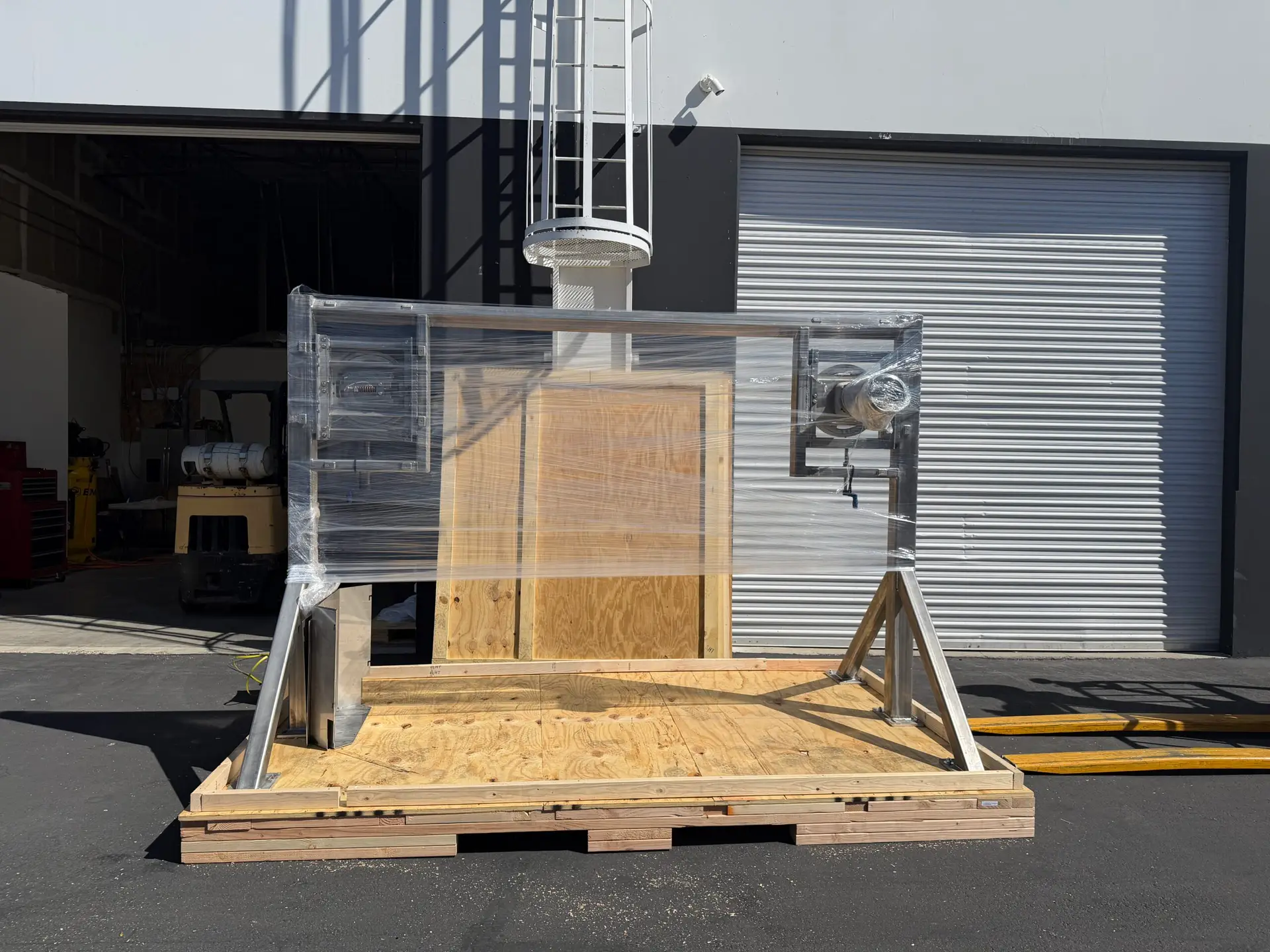
The IPPC's ISPM 15 overview identifies raw-wood packaging, including dunnage, as its focus. Packaging made entirely from qualifying processed wood, such as plywood, is outside that scope. A crate with plywood walls may still contain regulated solid-wood framing or a pallet base.
Review the complete packaging assembly with the provider. Do not decide whether the shipment is exempt by looking only at its outer panels, and confirm the importing country's requirements for the actual route.
Why treatment and marking matter
Wood can carry pests into places where they do not naturally occur. The standard's treatment and marking system reduces that risk. It does not provide permanent protection against later contamination or make the package a pest-proof container.
Noncompliant packaging can lead to border action and disruption. Correct treatment and a legible authorized mark address that part of the shipment, while the contents still require their own documentation and clearance.
Understand treatment without attempting it yourself
For conventional heat treatment, USDA APHIS describes a minimum wood-core temperature of 56°C for at least 30 minutes. Treatment must be performed and documented within the applicable program; warming a finished crate informally is not a substitute.
APHIS also describes registered fumigation options. Ask the packaging provider which authorized process applies, rather than assuming every destination accepts every treatment in every circumstance. The APHIS export guidance explains how U.S. exporters can obtain treated and marked packaging.
Check the official mark
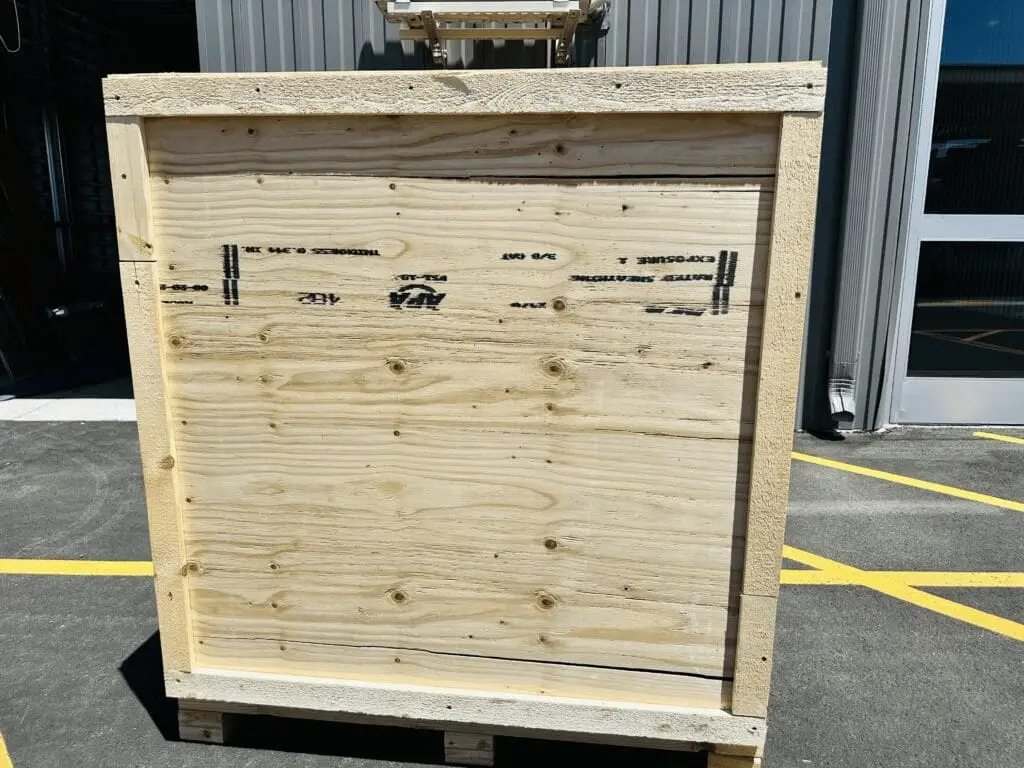
The mark communicates the treatment and traceability information. It includes the IPPC symbol, country and producer or treatment-provider identification, and a treatment code. An ordinary heat-treated lumber stamp is not a reason to apply your own export mark.
Ask who is authorized to mark the finished packaging. APHIS states that a producer must be registered through an accredited inspection agency; shippers cannot simply make their own ISPM 15 mark.
Review the shipment before closing the crate
- Confirm the destination and any transit-country requirements with the freight provider or broker.
- Identify the solid-wood components, including skids, blocking and dunnage.
- Order the appropriate treatment and marking before the packing appointment.
- Check that the completed packaging's marks remain visible and legible.
- Review the cargo documents and carrier booking separately.
Keep photographs and packaging details with the shipment record. If a used crate has been repaired, altered or contaminated, ask the provider whether its previous status is still valid before relying on it again.
PLAN YOUR CRATING
Plan an international crating project
Contact Crates of Las Vegas with the item details, destination and shipping method. Ask for the wood-packaging treatment and marking requirements to be addressed in the quote, alongside the supports, cushioning and handling features the cargo needs.
Discuss your crating projectMORE CRATING GUIDES