

LAS VEGAS · CRATING GUIDE
When Custom Crates Are the Right Shipping Choice in Las Vegas
Custom crates can be a good choice for a shipment that needs tailored support, an unusual interior layout or a practical way to handle a heavy object. They are not automatically the best option for every item.
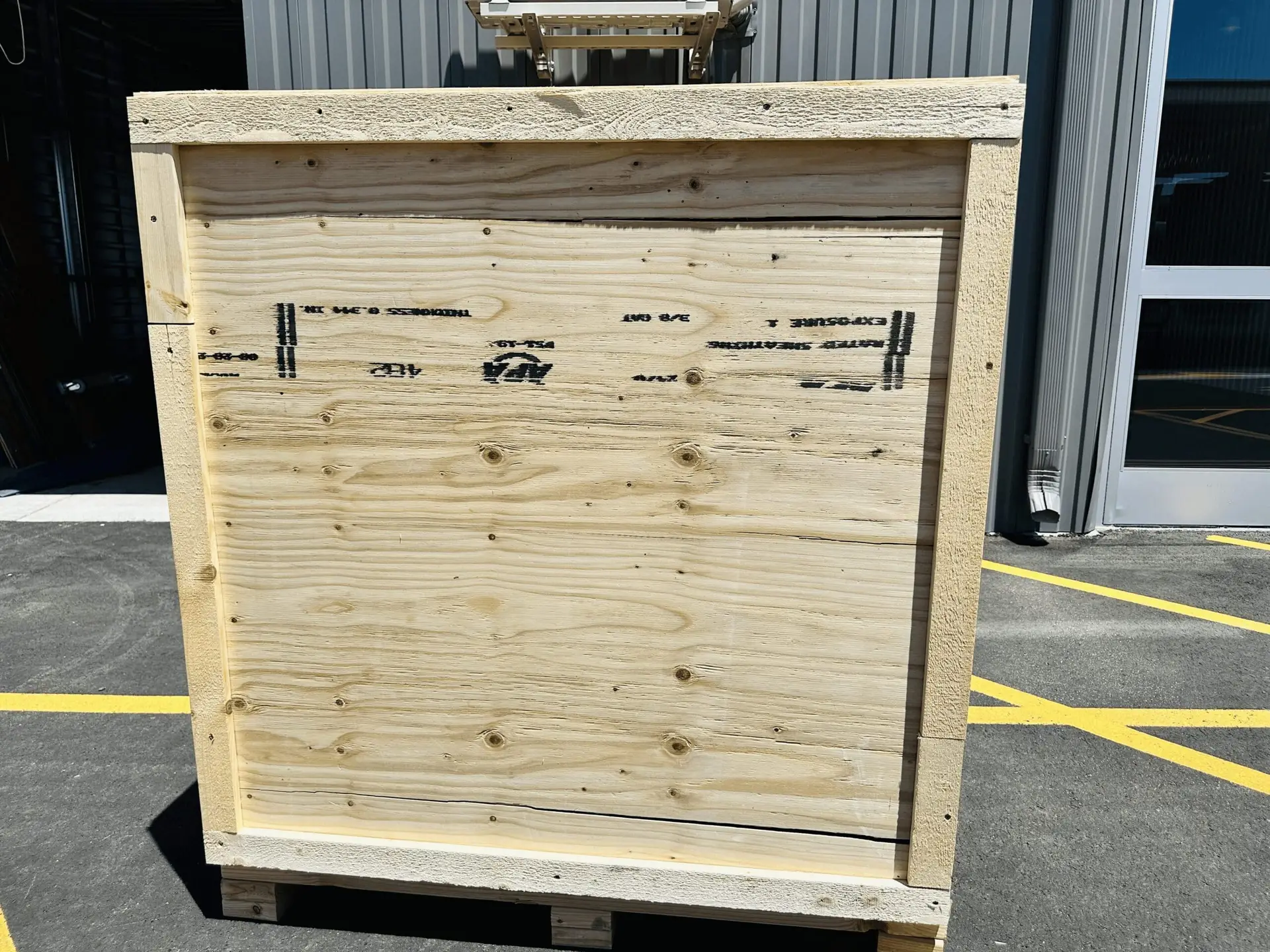
Choose packaging by the work it must do. Compare a custom crate with suitable manufacturer packaging, a reusable case or another appropriate system using the same item, route and receiving requirements.
Identify the problem a custom crate would solve
Start with the item's weight, shape and vulnerable areas. A standard box may leave unsupported projections, lack a suitable base or require awkward packing. A custom design can address those issues when the supports and enclosure are planned together.
If approved manufacturer packaging is available and suitable for the planned journey, include it in the comparison. Do not replace a proven packing system merely because a wood enclosure appears more substantial.
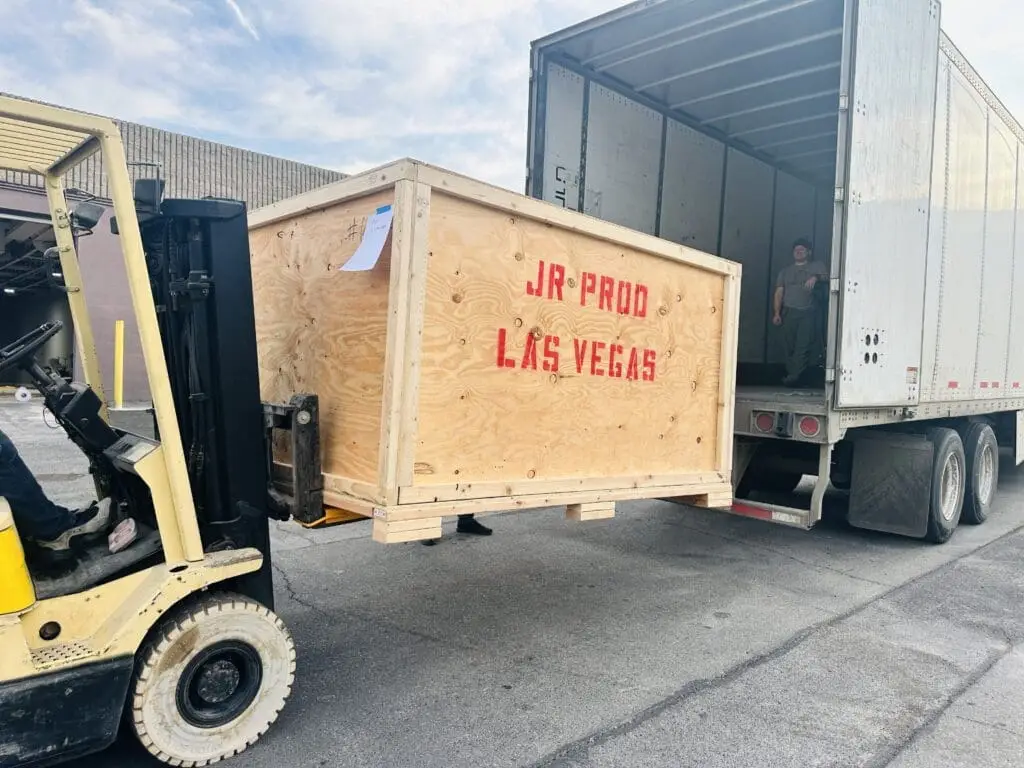
Consider the type of cargo
- Artwork and antiques: surface condition and safe contact points may determine the packing method.
- Electronics and office equipment: transport locks, accessories and maker instructions can affect the layout.
- Medical equipment: preparation and post-delivery checks should follow the equipment supplier's requirements.
- Industrial machinery: reliable weight, lifting access and attachment information are essential to the discussion.
These categories help frame the questions; they do not establish that every item in a category needs the same crate.
Compare the complete protection plan
Ask how each option supports the load, restrains movement and protects vulnerable surfaces. Identify any environmental sensitivity and confirm whether the proposed materials address it.
The Canadian Conservation Institute's guidance on physical forces shows why packing and transport choices work together. A rigid enclosure alone is not a complete protection strategy.
Include handling and receiving constraints
Can the package pass through the relevant doors? What equipment will load and unload it? Who opens it, and where will the panels and packing materials go afterward?
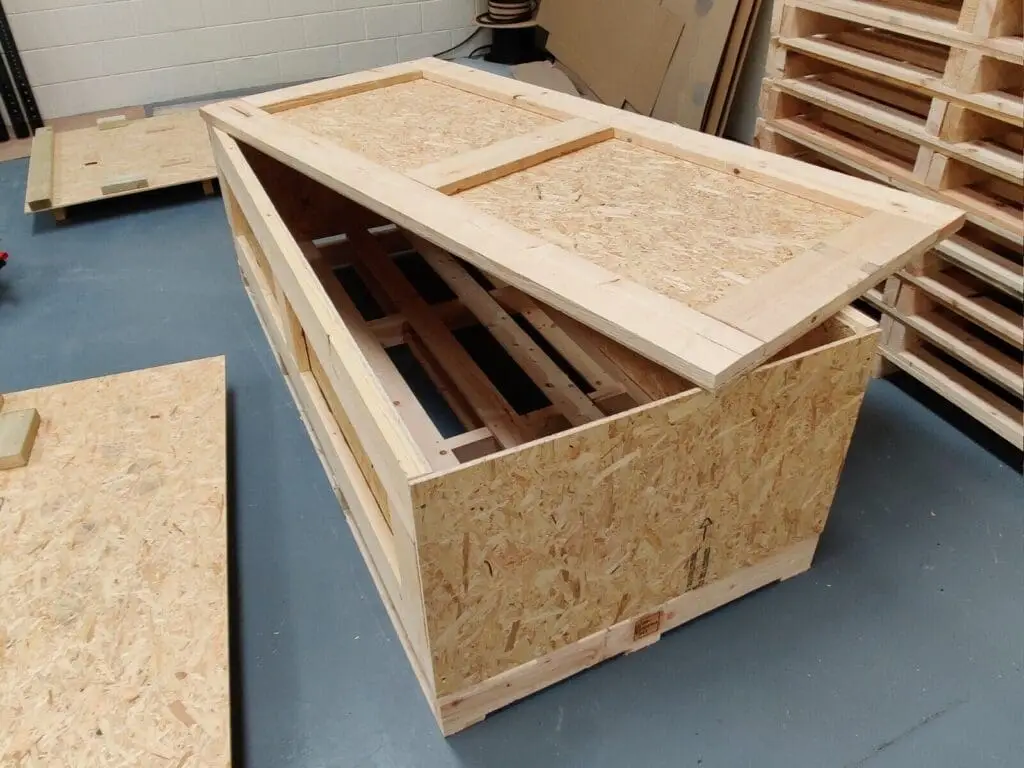
Confirm those details before selecting the design. For a difficult-to-move item, discuss whether on-site assessment is appropriate. A package that is hard to remove from the origin or open at delivery can create costs that are not obvious in the initial quote.
Compare total cost and repeat-use value
Use the finished dimensions and gross weight to obtain comparable freight estimates. Include packing labor, handling services, destination equipment and any storage or return movement.
A reusable crate may be useful for recurring shipments if it can be inspected and returned economically. A one-way package may need a simpler recovery plan. Avoid assuming either option is universally cheaper or more sustainable.
Check export requirements before deciding
For an international route, ask about the applicable wood-packaging treatment and marking requirements alongside the cargo documents. ISPM 15 concerns regulated wood packaging pest risk, not a universal quality rating for the whole shipment.
Confirm the current destination requirements with the provider and carrier or broker before construction or reuse.
PLAN YOUR CRATING
Compare options for your shipment
Contact Crates of Las Vegas about custom crating with item details, destination and receiving constraints. Ask the team to explain why its proposed design suits your shipment and what is included in the quote.
Discuss your crating projectMORE CRATING GUIDES




