

Wood-packaging rules
What Is ISPM-15 and When Does Your Shipping Crate Need It?
ISPM-15 is an international standard intended to reduce the spread of wood pests through packaging used in international trade. It is relevant to many solid-wood crates, pallets and packing supports, but it does not apply to every shipping container or every journey.
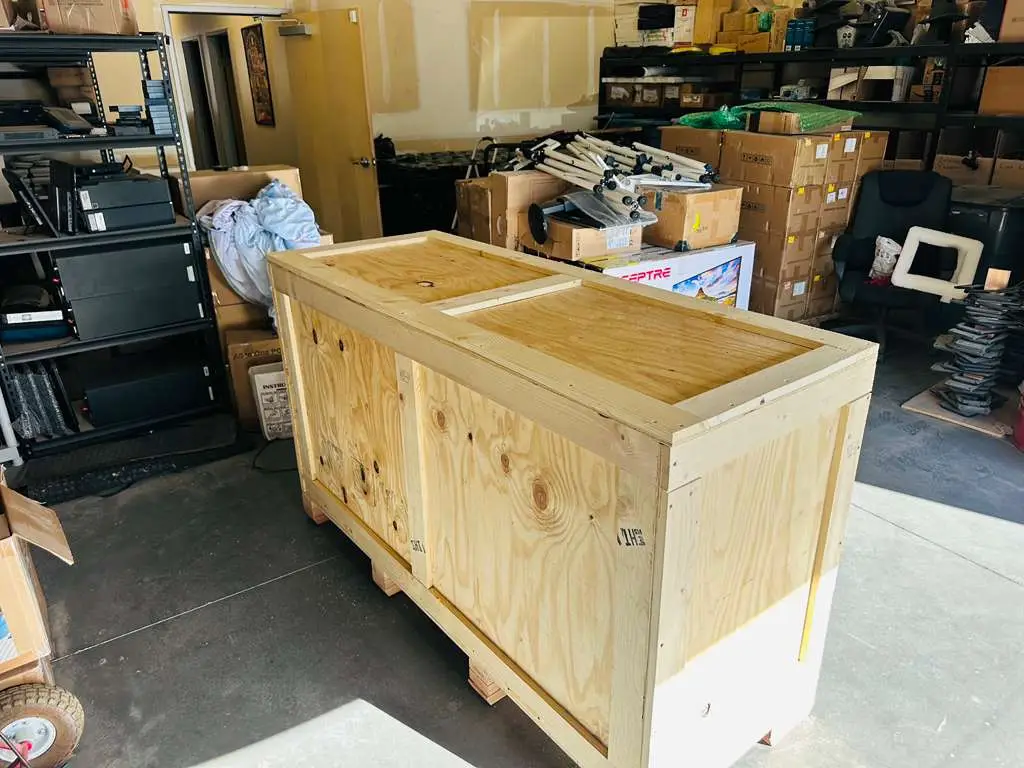
For Las Vegas exporters, start with the destination and the actual packaging materials. That is more useful than assuming every crate must be “certified,” or that a marked crate settles all import requirements.
What the Standard Covers
The IPPC's ISPM-15 overview describes measures for raw-wood packaging and excludes qualifying processed wood such as plywood. A plywood-sided crate can still contain regulated solid-wood framing, skids or internal supports, so the complete construction needs review.
The purpose is plant-pest risk reduction. The mark does not establish crate strength, moisture resistance, the condition of the contents or medical sterility.
Domestic freight does not become subject to ISPM-15 merely because the trip is long. For cross-border movements, check the importing country's current rules and any relevant exceptions with the forwarder or appropriate authority.
Why Compliance Matters for International Shipping
When regulated packaging fails the destination's requirements, the shipment may be held while the responsible parties arrange an authorized response. That can affect delivery, installation and production schedules.
Wood-packaging compliance is only one part of international preparation. The cargo may need its own documents, permits or inspections. A compliant mark cannot guarantee customs clearance or prevent every delay.
For destination questions, the IPPC directs users to national plant protection organization contacts. A shipping provider can help coordinate the inquiry, but destination authorities determine the applicable requirements.
Treatment and Marking Options
Approved treatment methods include conventional heat treatment and other methods recognized by the standard. The appropriate treatment and accepted process should be confirmed with an authorized provider for the route.
Under the U.S. conventional heat-treatment program, the specified minimum is 56°C at the wood core for at least 30 minutes. An authorized quality mark is then required on the completed wood packaging. Buying heat-treated boards alone does not authorize a business to stamp its own crate. See APHIS treatment-program guidance.
Crate design remains a separate decision. A standard enclosure, fitted machinery crate or reusable exhibit crate can have different support and handling needs even when its wood is treated through the same program.
Heat treatment should not be described as making the whole package chemical-free, sterile, waterproof or safe for any sensitive cargo.
Industries and Use Cases
Medical and Laboratory Equipment
Use manufacturer transport instructions and appropriate supports. Wood treatment does not replace device-specific packaging or post-delivery inspection.
Artwork and Collectibles
Choose contact materials and support methods suitable for the work. Treatment of the wood does not establish conservation suitability.
Trade Shows and Exhibits
Plan the display's outbound and return routes. Follow event receiving requirements separately from international packaging requirements.
Industrial Machinery
Match the base, restraints and handling access to the load. A phytosanitary mark is not evidence of a lifting or stacking capacity.
These examples show why crate construction and export requirements need to be considered together without treating them as the same function.
How to Check Your Packaging Plan
Before ordering:
- Confirm the destination, transit route and cargo requirements
- Identify regulated wood components, including dunnage
- Ask how the provider handles treatment and authorized marking
- Confirm the item weight, dimensions and protection requirements
- Agree on photographs, packing records and the final inspection
- Keep marks legible and review any repairs before future international use
Ask your forwarder what documents the particular shipment needs. Do not assume every crate requires a separate treatment certificate or that paperwork can replace a required mark.
For reuse, distinguish routine inspection from changes to the packaging. Australia's official ISPM-15 guidance notes that treatment does not provide permanent protection against reinfestation. Inspect stored crates and seek advice before altering regulated wood components.
Frequently Asked Questions
Does every international shipment need a wooden crate?
No. Choose suitable packaging first, then check the requirements for its materials and route.
Does plywood need an ISPM-15 mark?
Packaging made wholly from qualifying processed wood is exempt under the standard. Any solid-wood components need separate assessment.
Can I mark my own crate after buying treated lumber?
Do not apply an official mark without authorization through the appropriate program.
Does the mark prove the crate protects the cargo?
No. Support, restraint, cushioning and handling suitability require their own assessment.
Can a marked crate be reused?
Potentially, if its condition and status remain suitable. Review pest signs, damage, repairs and destination requirements before the next trip.
PLAN YOUR CRATING
Discuss ISPM-15 Requirements for Your Shipment
Send Crates of Las Vegas your destination, item details and proposed transport route. Discuss the export packaging plan before booking freight, with the final destination requirements confirmed through your forwarder or broker.
Discuss your shipmentMORE CRATING GUIDES



