EXPORT WOOD PACKAGING
ISPM 15 Wood Crates: Treatment, Marking, and Shipping Checks
When a shipment crosses an international border, the wood packaging may need to meet ISPM 15 requirements. Understanding what that means helps you ask useful questions about the crate, its markings, and the rest of the shipping plan.
The standard concerns the risk of moving plant pests in wood packaging. A cargo-specific crate still needs a separate design that suits the item's weight, fragility, and handling method.
Understand the Scope of ISPM 15
The International Plant Protection Convention publishes ISPM 15, Regulation of Wood Packaging Material in International Trade. It addresses regulated wood packaging used to support, protect, or carry cargo, including relevant crate components and dunnage.
Whether requirements apply depends on the materials and the destination's rules. Do not assume that every wood-based component is treated identically or that a domestic shipment has the same requirements as an export. Give the packaging provider and freight specialist the actual destination and route before specifying the crate.
Ask About Treatment, Marking, and Traceability
For U.S. exports, APHIS describes recognized routes for obtaining compliant wood packaging. Ask your supplier how the required treatment and official marking will be provided for the finished packaging.
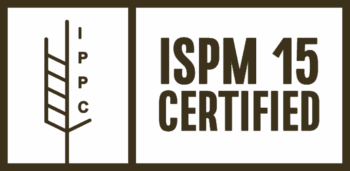
A general statement that lumber was heat-treated is not enough to resolve every marking question. Have the responsible supplier explain the package's compliance and identification, and keep relevant purchasing records. A shipper should not create its own official mark.
- Confirm the destination's requirement with the responsible shipping specialist.
- Identify the regulated wood components, including any separate blocking or dunnage.
- Ask who supplies the appropriately treated and marked packaging.
- Raise missing, unclear, or altered markings before the shipment is dispatched.
Specify Structural Protection for the Cargo
The treatment requirement does not establish a crate's load capacity or suitability for a particular object. Share the cargo's dimensions, weight, support points, fragile areas, and proposed handling method so the structure and interior protection can be evaluated separately.
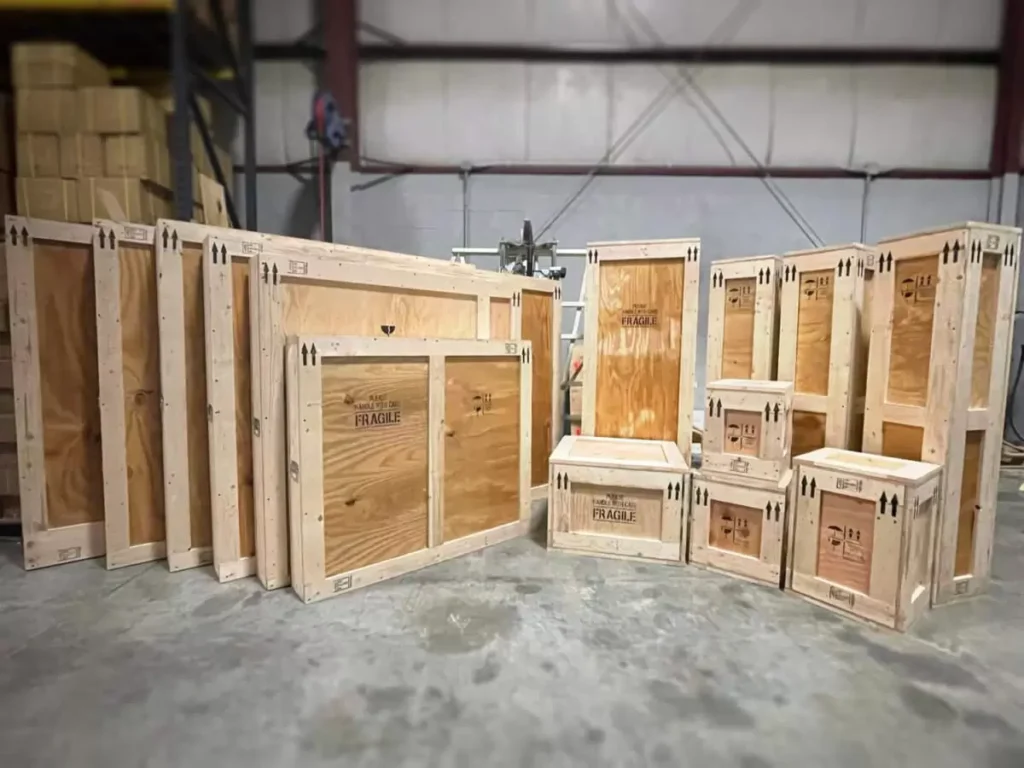
Discuss the base, framing, closures, blocking, and cushioning. A precision device and a heavy machine may need very different packing arrangements even when the wood packaging is subject to the same plant-health standard. Crate photographs alone do not establish compliance or structural adequacy.
Consider Reuse and Environmental Claims Carefully
If the crate is intended for repeated use, agree on how it will be opened, stored, inspected, and repaired. Damaged panels, loose fasteners, wet materials, or altered supports may affect whether it remains suitable for the cargo.
Ask the responsible supplier whether repair or modification affects the packaging's treatment and marking status. Separately, request evidence for any sustainable-sourcing claim. The presence of an ISPM 15 mark does not by itself establish the source of the timber or the overall environmental impact of the shipment.
Keep Customs and Freight Responsibilities Clear
Wood-packaging compliance is one part of an international shipment. The cargo itself may have documentation, classification, permit, or other requirements that need specialist review. A treatment mark does not guarantee immediate clearance, prevent every inspection, or determine the carrier's acceptance.
Agree on who supplies the packing information, who checks the shipping documents, and who answers questions if the shipment is held. Review the current rules for the particular destination rather than relying on a general promise that a crate can travel anywhere.
PLAN YOUR CRATING
Discuss Your Export Crating Requirements
Send Crates of Las Vegas the cargo dimensions, weight, photographs, destination, route, and timing. Explain any known wood-packaging requirements and ask how they will be addressed in the proposed scope. Review our ISPM 15 heat-treatment service when discussing the wood-packaging requirements.
Request an export-crating quote and coordinate remaining cargo and customs questions with your freight specialist.
Request a Crating QuoteMORE CRATING GUIDES