

Crates of Las Vegas Journal
When to Choose a Custom Crate for Your Shipment
A custom crate is a useful option when there is a clear reason to build packaging around the shipment. That reason might be an unusual shape, a heavy load, a fragile surface or a need to repack the same item repeatedly.
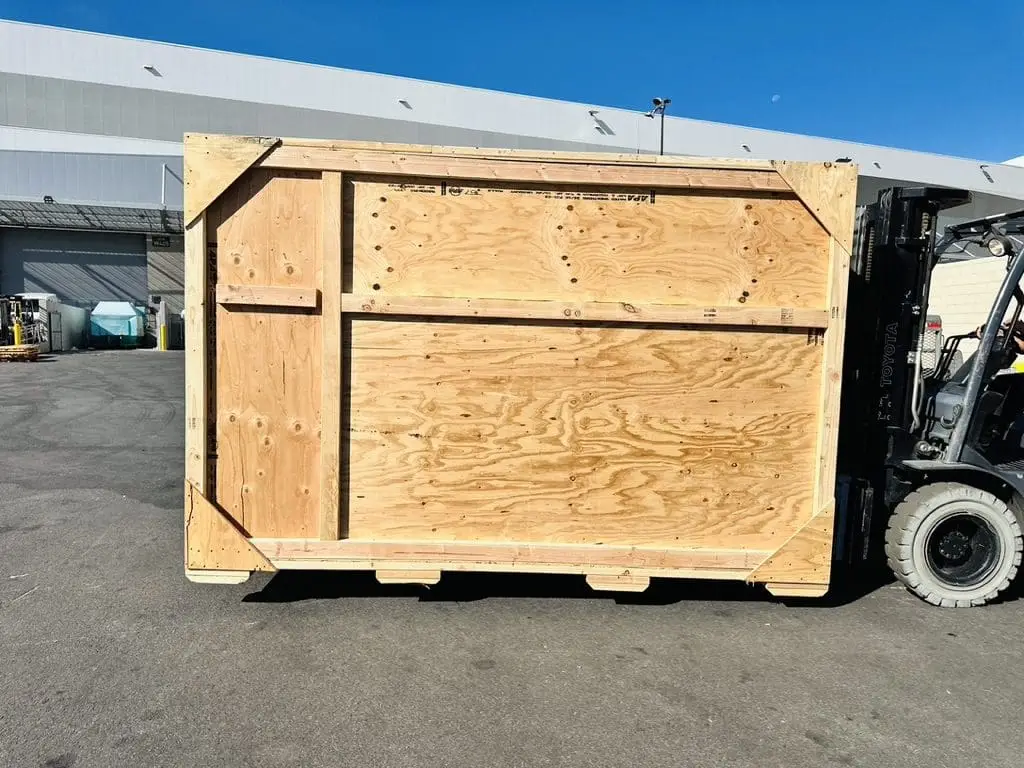
For Las Vegas businesses comparing options, begin with those requirements. A suitable standard package can be appropriate for some goods. The decision should follow the cargo and route rather than an assumption that custom wood is always the best answer.
Choose custom support when fit is a real problem
An irregular sculpture, framed work or equipment assembly may need support at specific points. Provide dimensions, weight and photographs so the provider can understand the entire item, including projections or removable parts.
Ask how the proposed interior will restrain the item and protect vulnerable surfaces. A custom design should leave room for necessary cushioning and safe removal. Simply eliminating unused space does not establish that the packing method is suitable.
Choose a specified handling design for demanding loads
Large or heavy items can require a base and handling access matched to their weight and the available equipment. Confirm the loading and unloading method before finalizing the crate.
Discuss any stacking limits and the conditions the package is intended to encounter. Wood treatment, reinforced-looking panels or a flat top do not establish a load rating. The actual carrier and receiving team should confirm that the finished package fits their requirements.
Choose based on the complete cost
Compare construction and packing costs alongside freight, receiving and possible return shipment expenses. Request final packed dimensions and weight so the transport quote reflects the actual package.
A crate may be justified by the specific damage risk it addresses, but savings are not automatic. Reusable designs also need recovery, storage and inspections. Avoid assuming every custom crate pays for itself or that it replaces insurance or declared-value arrangements.
Address export wood requirements early
If the route crosses a border, ask whether the destination requires ISPM 15 treatment and marking for the wood packaging. APHIS export guidance provides the relevant starting point for U.S. exporters.
The requirement depends on the destination and packaging materials. It does not mean that all overseas goods must travel in a wooden crate. Correct treatment and marking also do not guarantee clearance of the commodity or prevent every delay.
Choose a design the recipient can understand
A professional shipment should arrive with clear identification and usable opening instructions. Provide an inventory and explain which panels or restraints are removed first. Confirm that the recipient has appropriate unloading equipment and any required specialist assistance.
Use these questions to test the proposal:
- Which item-specific problem does the design solve?
- How will the item be supported and restrained?
- What are the packed size, weight and handling limits?
- Who is responsible for preparation and receiving checks?
- Is there a realistic plan for reuse or material recovery?
PLAN YOUR CRATING
Discuss whether a custom crate fits your needs
Contact Crates of Las Vegas with the shipment details and the problem you want the packaging to solve. Ask for a proposed scope that you can compare with the other suitable packaging options.
Discuss Your Crating ProjectMORE CRATING GUIDES




