
LAS VEGAS · SHIPPING DAMAGE PREVENTION
Top Packaging Mistakes That Cause Shipping Damage
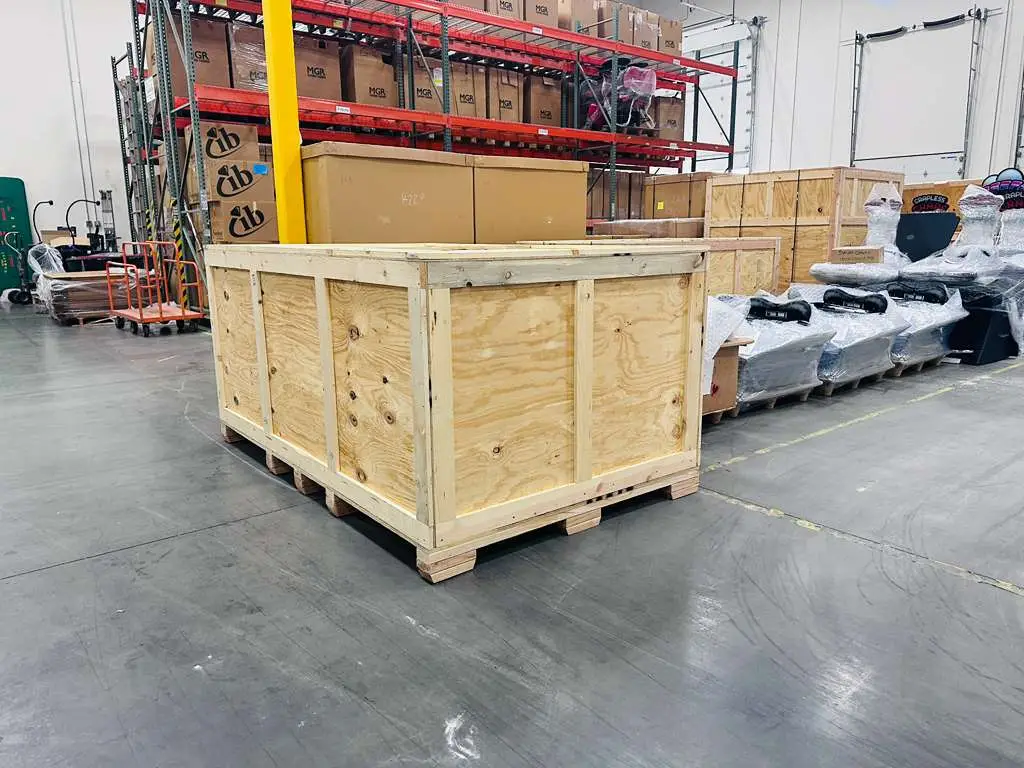
Shipping damage can lead to repair costs, delivery delays, production interruptions, and difficult claims. Fragile electronics, heavy machinery, and oversized industrial components each need packaging that reflects their particular vulnerabilities and the way they will be transported.
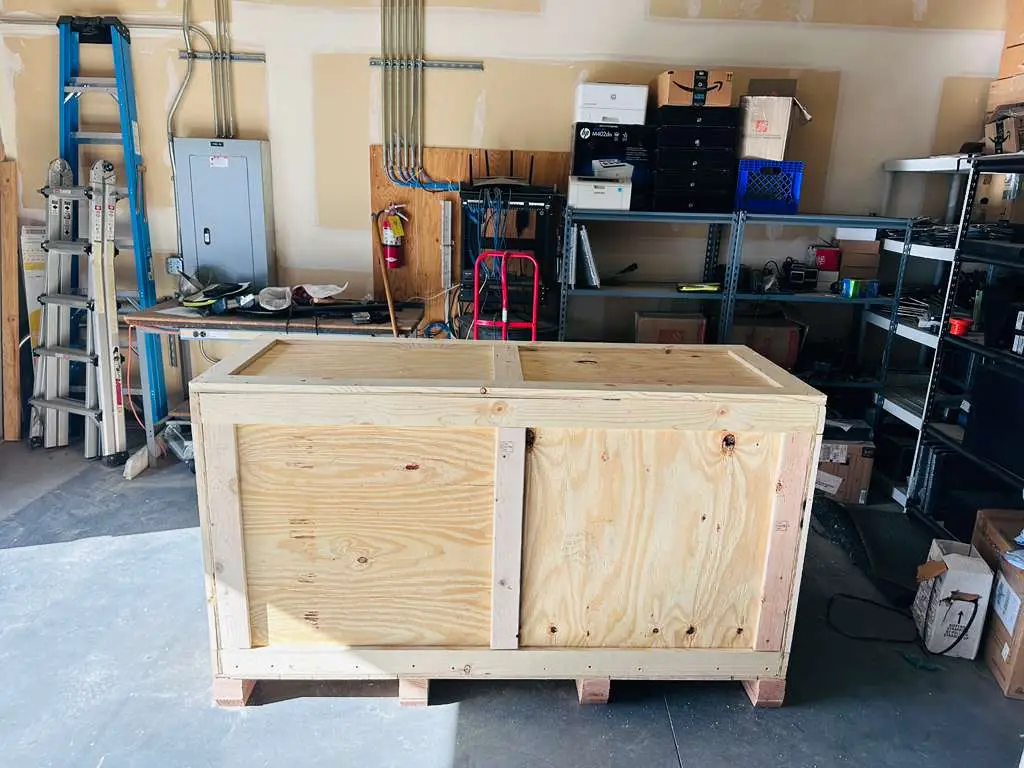
A custom crate can help manage those risks by combining appropriate support, restraint, cushioning, and environmental protection. For businesses shipping from Las Vegas, the packing plan should also cover loading, transfers, storage, and the receiving team's equipment. The following mistakes are useful points to review before freight leaves the site.
Using Materials That Do Not Suit the Load
Assess Weight, Fragility, and Handling
A container can look substantial and still be unsuitable for its contents. Material selection needs to account for the cargo's weight distribution, approved support points, sensitive surfaces, and the forces associated with the planned handling and route.
Provide verified dimensions and weight, photographs, manufacturer transport instructions, and any restrictions on orientation. Include the completed package's weight and outside dimensions when coordinating transport. A crate that fits the cargo but cannot be handled at the destination is an incomplete solution.
Match the Structure and Interior to the Cargo
Heavy equipment may need a reinforced base and bracing through appropriate structural points. Panels, framing, fasteners, and connections must work together; a material described as hardwood, engineered wood, or heavy-duty does not establish the capacity of the finished crate by itself.
Electronics and precision instruments may need selected cushioning and a manufacturer-approved electrostatic-discharge protection system. Contact materials must also be compatible with finishes, seals, and exposed components. Packaging suitable for a rugged machine frame may be inappropriate for a delicate assembly.
Rated cartons, pallets, cases, or custom crates can each have a role when they suit the shipment. Choose the package by its requirements rather than assuming that all standard packaging is inadequate or that a wooden crate automatically provides complete protection.
Confirm Any Special Requirements
Customer contracts, equipment documentation, or the distribution environment may call for particular materials or testing. Do not assume that every aerospace shipment must use the same military specification or that every industrial crate requires the same validation.
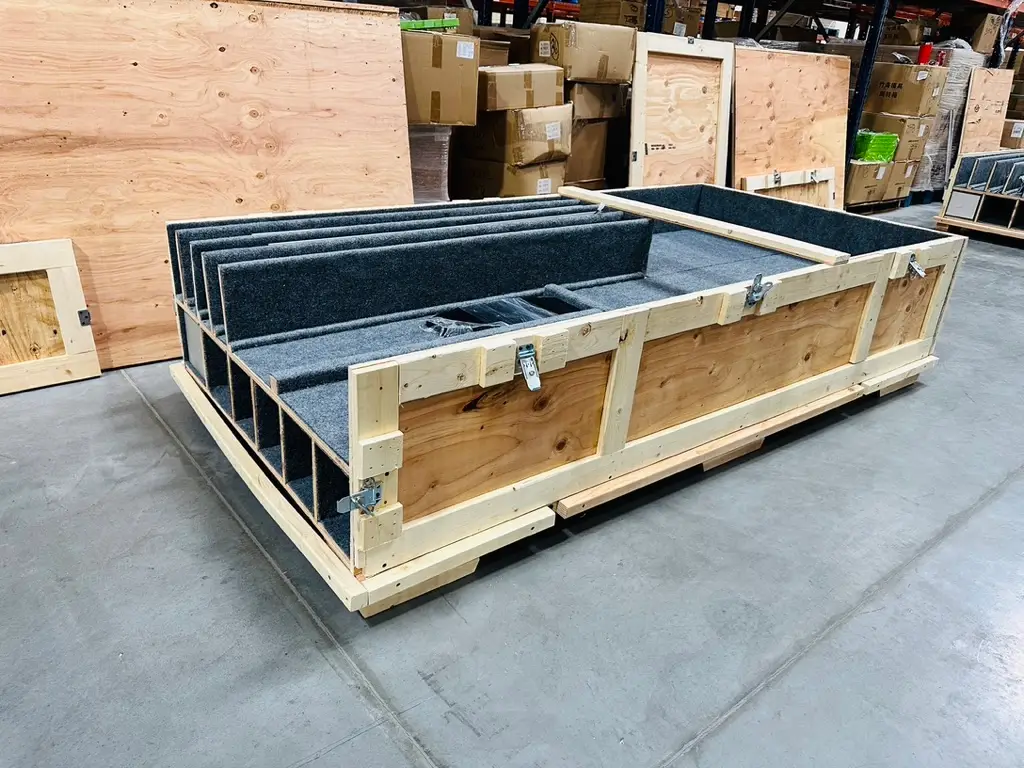
Custom crating allows the structure and interior to be tailored to the item. The written packing scope should explain those choices and identify any specialist review needed.
Providing Too Little Cushioning or the Wrong Shock Protection
A strong outer crate cannot compensate for an interior that allows damaging contact. Impact or sustained vibration can affect sensitive components even when the outside of the package looks intact.
Select Cushioning for Its Actual Purpose
Cushioning should be selected for the supported weight, product sensitivity, available space, and expected handling. Foam type, thickness, and performance matter together. Adding more foam or specifying a high density does not automatically improve protection.
Blocking and bracing restrain movement; cushioning and isolation manage transmitted forces. Their design needs to be coordinated so that a rigid restraint does not defeat the intended isolation or place pressure on a fragile surface.
Transport standards do not universally require a foam-lined crate. Where testing is part of the job, select a procedure that suits the shipment and define the acceptance criteria. ISTA's test procedures cover specific distribution situations rather than providing one mandatory packing recipe.
Plan Inspection and Repeatable Packing
Fitted supports, molded inserts, or other repeatable layouts can help different crews reproduce the intended arrangement. If automated packing or thermoformed inserts are being considered for recurring shipments, assess them against the actual product and distribution requirements. The technique itself is not evidence that protection has been validated.
Keep packing photographs and instructions, and document the product's condition before shipment. Arrange a receiving inspection and any necessary functional checks so hidden damage is not overlooked. Handling indicators or records can provide information, but they do not prevent damage or determine a claim outcome on their own.
Ignoring Environmental and Transit Conditions
Long journeys, multiple transfer points, outdoor loading, and extended storage can expose cargo to humidity, dust, weather, and temperature changes. A package designed for a direct local move may need a different approach for ocean freight or prolonged storage.
Coordinate Moisture and Temperature Protection
Where appropriate to the cargo, discuss vapor barriers, desiccants, compatible corrosion-protection materials, and protective liners. Those elements should form a coordinated system based on the expected exposure and duration.
An ordinary wooden crate does not provide controlled temperature or humidity. Weather-resistant panels, wrapping, or fasteners do not make the entire package waterproof or guarantee protection under every condition. Temperature-sensitive goods may require suitable transport and storage services as well as a specifically designed packing system.
Wrapping may be useful for a defined purpose, such as reducing surface exposure during handling. Confirm what it is intended to do and how it fits the rest of the packaging plan instead of treating it as a substitute for structural support, restraint, or environmental controls.
Separate Export Wood Treatment from Cargo Protection
ISPM 15 addresses pest risks associated with regulated wood packaging. The IPPC's overview explains that the standard does not provide ongoing protection against later contamination. It also excludes certain processed wood materials, although solid-wood framing or dunnage in the same package may still be regulated.
Check destination requirements and source compliant packaging where required, using USDA APHIS export guidance as a starting point. Treatment and marking do not make the crate moisture-proof, establish its structural capacity, or guarantee customs clearance.
Allowing the Cargo to Shift During Transit
Unsecured equipment or loose accessories can move inside a package and damage the cargo, its supports, or the crate. Loads with uneven weight distribution or a high center of gravity need particular attention during planning.
Restrain Through Appropriate Support Points
Bolted attachments, blocking, bracing, straps, or purpose-built cradles may be appropriate where the equipment and package design permit them. The restraint must act through suitable structural points and avoid vulnerable covers, piping, connectors, and finishes.
Qualified personnel should determine the design for unusual or heavy loads. Specialist calculations may be needed for some projects, but finite-element analysis and other advanced methods should not be presented as services automatically included with every crate.
The aim is controlled restraint consistent with the equipment's requirements. A claim of zero movement under every condition is not a realistic substitute for a defined handling and performance plan.
Secure the Finished Package and Check Reusable Crates
Internal restraint and vehicle securement are separate tasks. The carrier must secure the packed load appropriately for the movement, including the applicable FMCSA cargo-securement rules for U.S. road transport.
For reusable packaging, inspect the base, supports, connections, and closures before each trip. Confirm that the cargo and route remain suitable for the design, and have repairs or changes reviewed before reuse. Retain the packing instructions so the next crew knows how the load should be supported and restrained.
Choosing Packaging Without Checking the Service Scope
An initial quote does not show whether every necessary part of the shipment has been covered. Compare the proposed design, materials, preparation, handling, and receiving arrangements as well as price.
Ask What Has Been Designed, Inspected, or Tested
If performance testing is required, agree on the test plan, acceptance criteria, and evidence to be supplied. ASTM D4169 describes evaluation of shipping units against selected distribution hazards. A reference to the standard does not show that a particular package has been tested or that a provider holds a certification.
Clarify which services the provider will perform. Equipment preparation, packing, crate fabrication, rigging, loading, freight booking, customs brokerage, and reinstallation may involve different teams. Confirm responsibilities and any specialist requirements before pickup.
Use Shipment Feedback to Improve the Next Move
Good packaging aims to reduce foreseeable damage and avoidable handling problems. It cannot promise that every shipment will arrive intact and on time or eliminate all liability and claims.
Review delivery inspections, packing records, and any handling concerns after the shipment. For recurring work, those findings can guide changes to the crate, packing method, or transport plan. Check the actual insurance and carriage terms rather than assuming that professional crating guarantees coverage or lower premiums.
PLAN YOUR CRATING
Review Your Shipment's Packaging Plan
The most useful review starts with the cargo and follows it through the whole route. Material suitability, cushioning, environmental exposure, internal restraint, and clearly assigned responsibilities all belong in that discussion.
Crates of Las Vegas can discuss custom crates and protective packaging for your shipment. Contact the team with dimensions, weight, photographs, the route, and any handling or equipment requirements to request a tailored quote.
Discuss your packaging planMORE CRATING GUIDES