LAS VEGAS · CRATING GUIDE
ISPM 15 Crating Services in Las Vegas: What to Check
ISPM 15 matters when a shipment uses regulated wood packaging on a route that requires compliance. For a Las Vegas exporter, choosing a provider who can explain the treatment and marking process helps make that part of the shipping plan clear before collection.
The standard's purpose is phytosanitary: reducing the movement of wood-associated pests through international trade. It does not certify a crate's strength, cushioning or environmental performance.
Establish whether the wood packaging is in scope
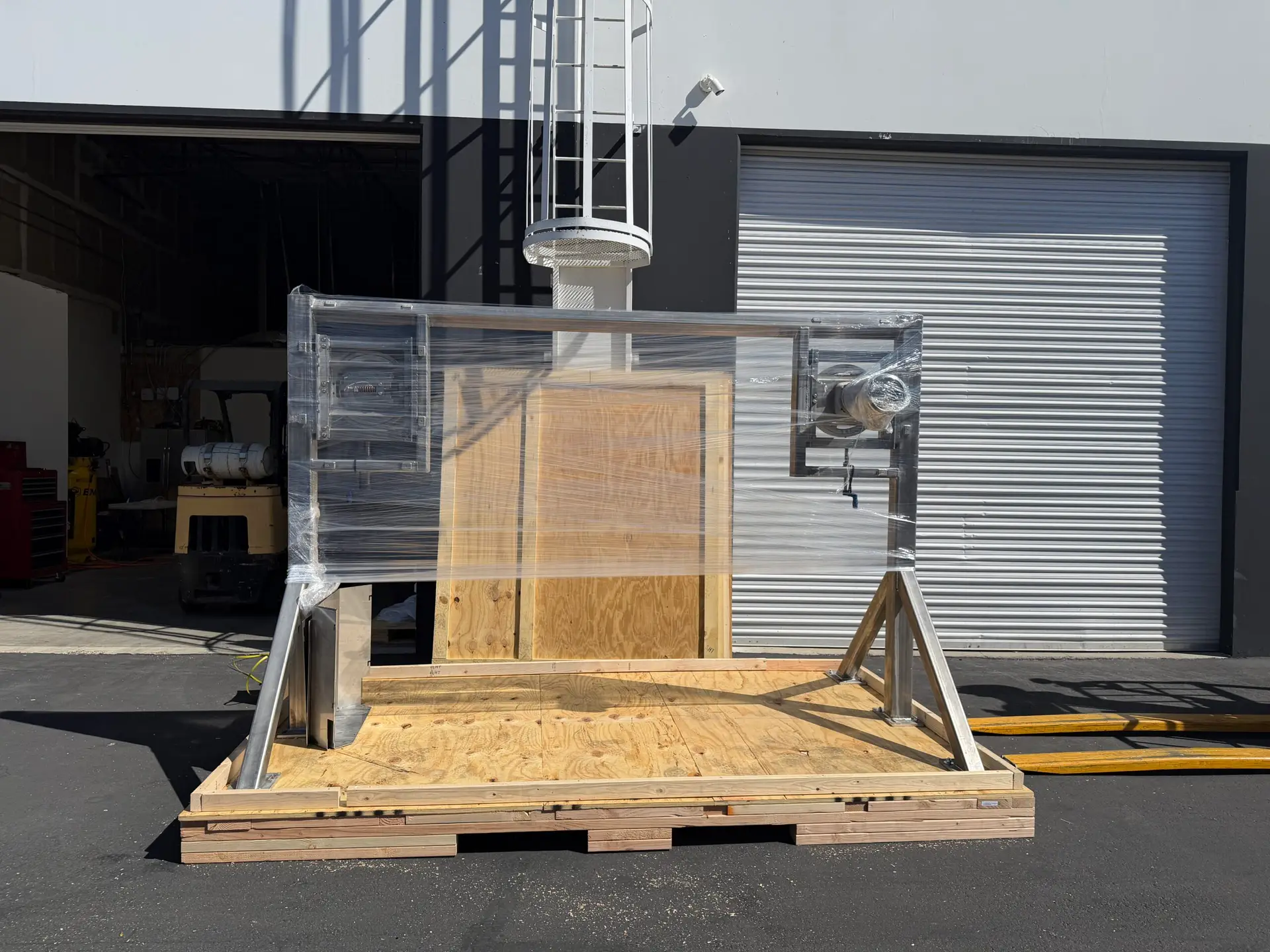
Give the provider the destination and a description of the complete package, including supports and dunnage. Solid-wood framing can matter even when the enclosure panels are plywood.
The IPPC's ISPM 15 publication describes the standard's scope and qualifying processed-wood exclusions. Check the actual route rather than treating every domestic or international shipment as having identical requirements.
Ask how compliant packaging is supplied
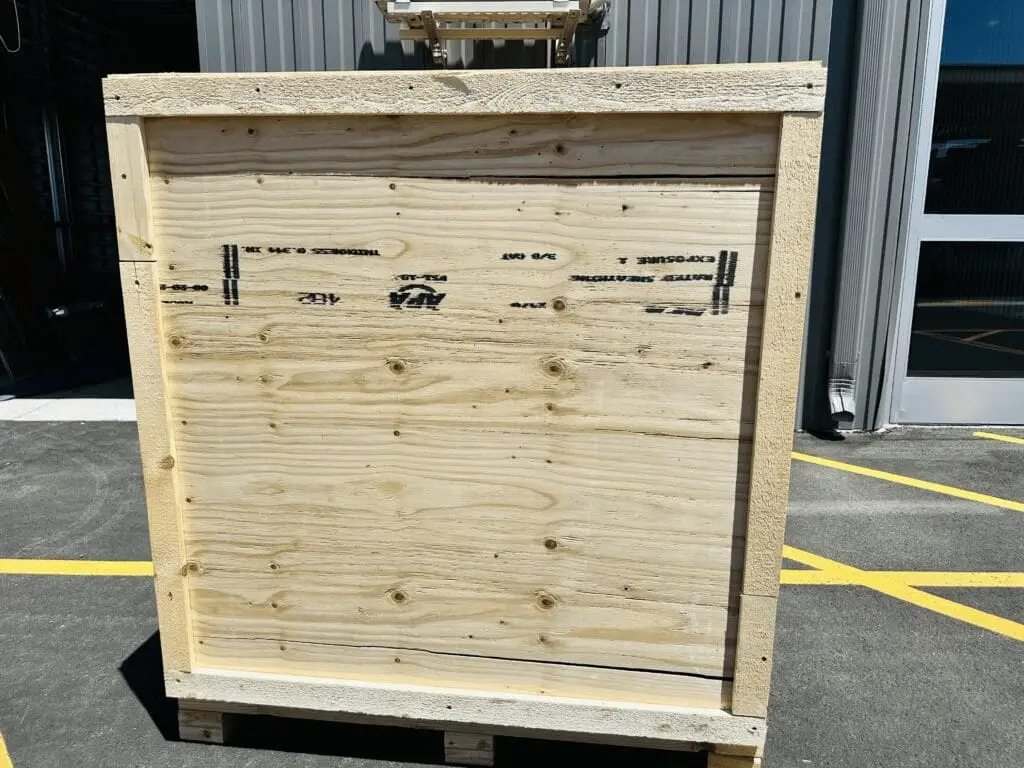
A useful quote should make the proposed treatment and marking approach understandable. Ask the provider who is responsible for those steps and how the finished wood packaging will be identified.
- Will all regulated wood components be covered by the process?
- Will the required marks remain visible after packing and labeling?
- Who checks the finished package before pickup?
- What happens if the crate needs a repair or late design change?
- Which shipment records should you retain?
APHIS export guidance explains authorized routes for obtaining treated and marked packaging. Do not improvise a stamp or assume a generic heat-treated lumber label settles the status of the completed crate.
Specify protection for the contents separately
Artwork, electronics and machinery still need suitable structural support and interior packing. Provide the weight, dimensions and areas that must be protected from contact. Include manufacturer or conservator instructions where relevant.
Ask about moisture or temperature sensitivity as separate requirements. An ISPM 15 mark does not establish waterproofing, insulation or a safe support arrangement for a fragile object.
Coordinate the border and carrier requirements
The crate provider, carrier and broker have different roles. Confirm who verifies destination requirements, prepares cargo documents and checks freight acceptance. Keep those responsibilities explicit in your shipping plan.
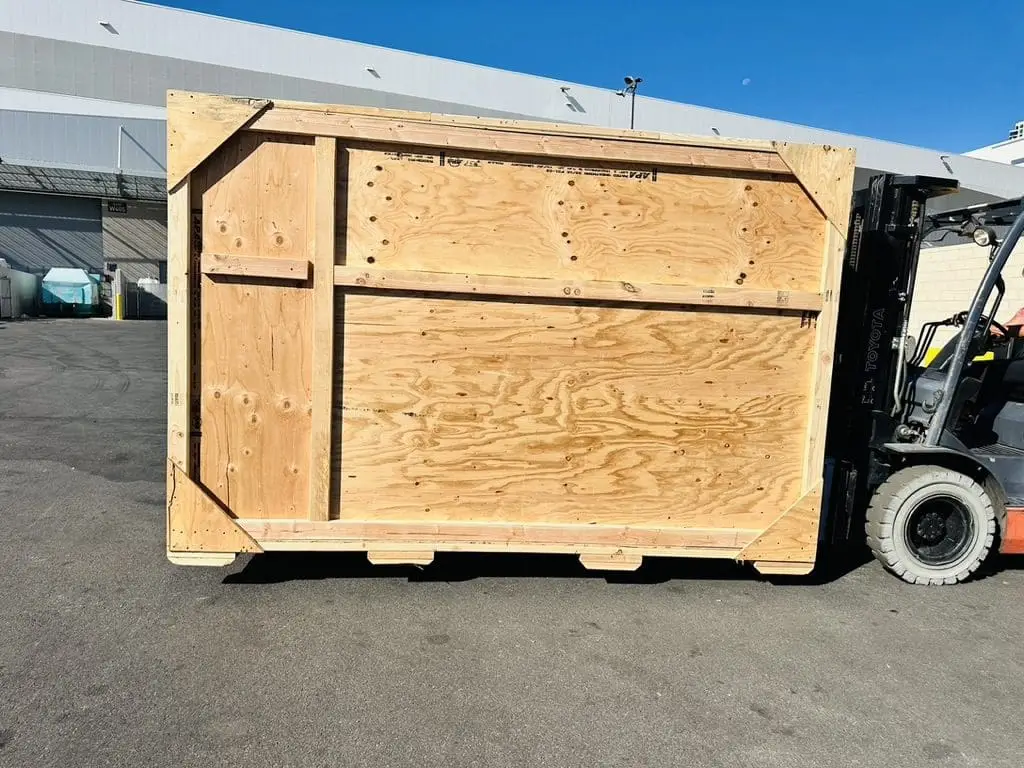
Compliant wood packaging can help address a preventable source of border problems. It cannot guarantee admission, release timing or the cargo's compliance with other rules. Consult the current requirements before the actual shipment, especially when the destination or cargo changes.
Assess reuse and long-term value honestly
Repeated use may be worthwhile when the crate remains structurally suitable and return transport makes sense. Inspect the base, closures and internal supports after each trip. Tell the provider about replaced wood, repairs or modifications before using it again for export.
ISPM 15 compliance does not establish sustainable sourcing or a lower carbon footprint. Evaluate those questions separately through material evidence, service life and the practical recovery plan.
PLAN YOUR CRATING
Discuss your export-crating requirements
Review ISPM 15 heat-treatment options with Crates of Las Vegas. Provide the destination, item details and required pickup date, and ask for the physical packing scope and treatment/marking responsibilities to be clear in the proposal.
Discuss your crating projectMORE CRATING GUIDES