
LAS VEGAS · CRATING GUIDE
Industries That Use Custom Wooden Crates: Different Packing Needs
Technology equipment, artwork and machinery may all travel in wooden crates, but their packing requirements can be very different. The industry label is a starting point; the individual item and route determine the design.
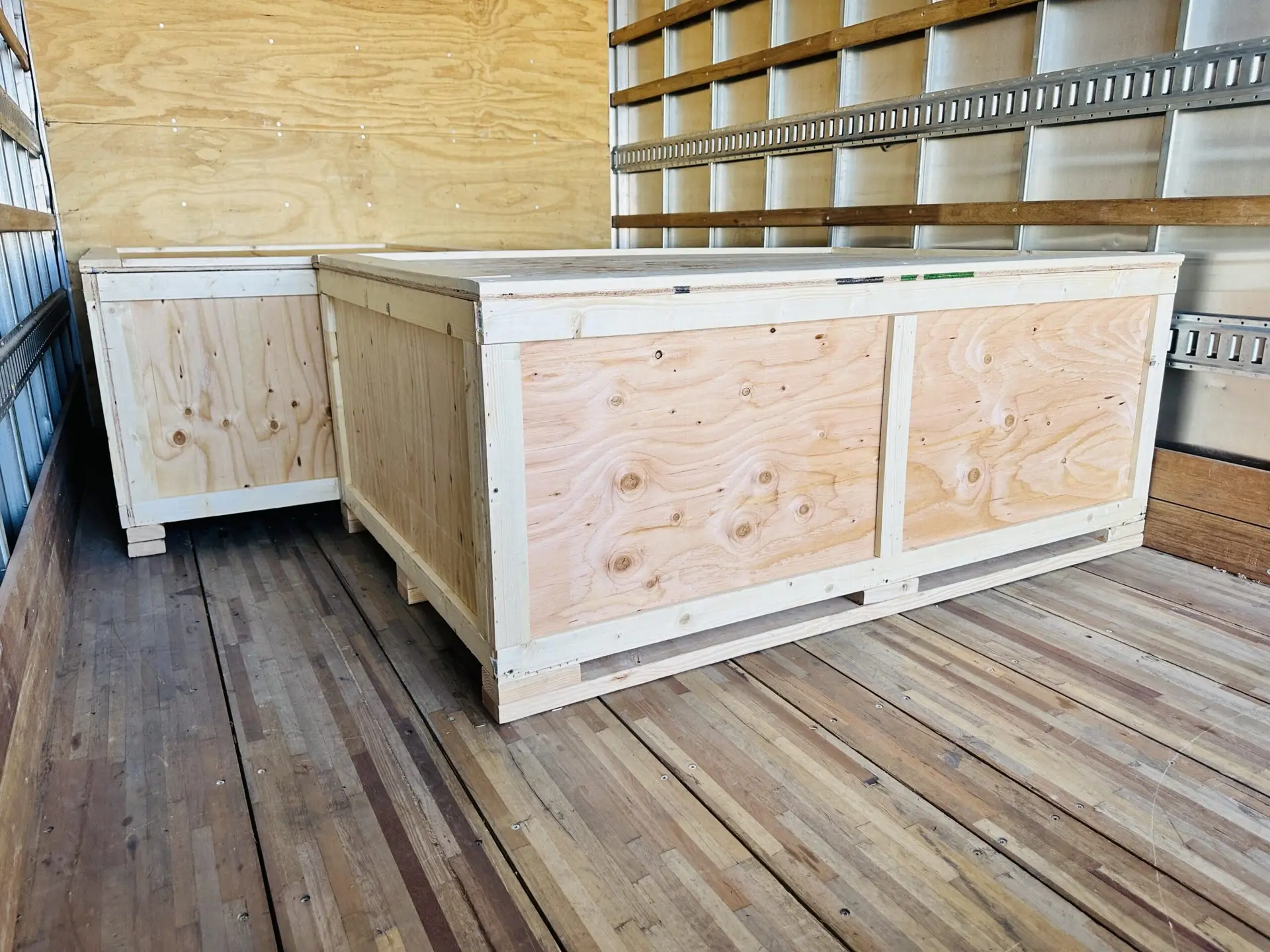
A useful crating brief explains what must be supported, what must remain untouched and how the package will be handled. The following examples show why one enclosure style cannot establish suitability for every sector.
Technology and electronics
Servers, displays and other equipment can contain delicate housings, connectors or assemblies. Obtain manufacturer packing instructions and confirm any restrictions on orientation, shock or environmental exposure.
Ask whether approved transport packaging should remain around the item within the freight crate. If static-control or specialized cushioning is required, it must be deliberately specified; an ordinary foam-lined wood crate should not be assumed to provide it.
Art and antiques
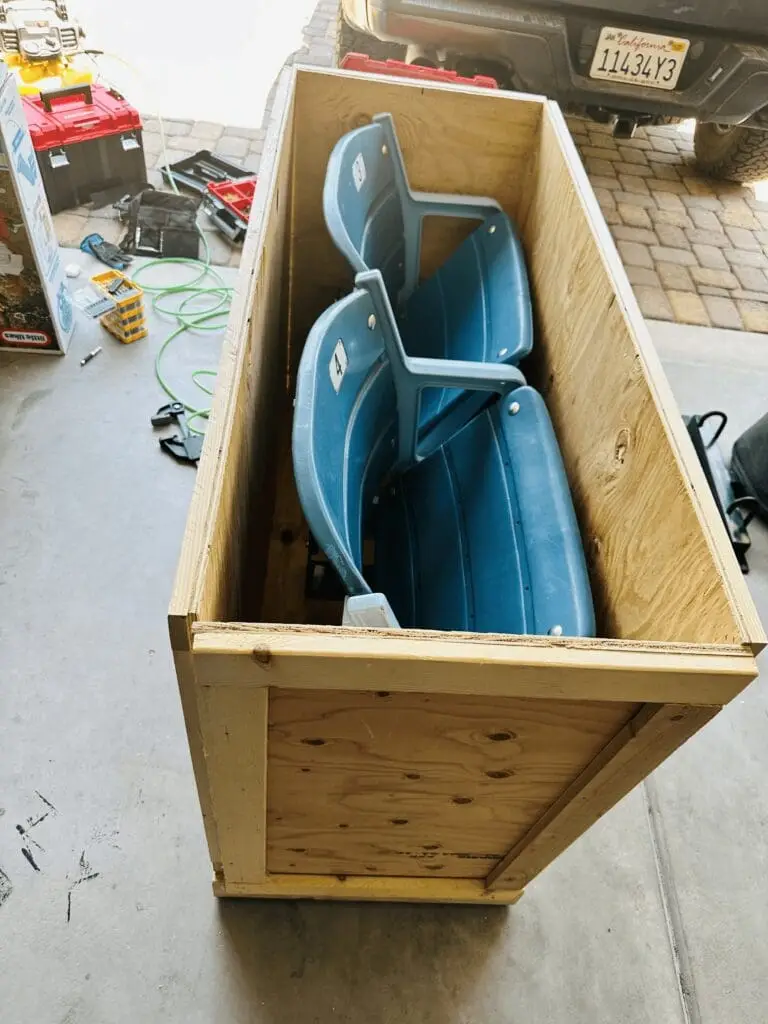
Paintings, sculptures and collectibles need a condition-led approach. Identify fragile finishes, repaired joints and projections before choosing support points or contact materials.
Custom construction may allow travel frames or shaped supports to be incorporated. Seek conservator guidance when the object's condition or material compatibility is uncertain. A crate does not remove the need for trained handling and suitable transport conditions.
Medical equipment and pharmaceutical products
Large medical equipment may need a load-bearing base and restrained accessories, following the manufacturer's preparation and transport instructions. Technical deinstallation and commissioning are separate from crate construction.
Pharmaceuticals and sterile medical products require their own approved product packaging and transport controls. Do not assume adding insulation to a wood crate maintains a medication's temperature range or that freight packing establishes sterility or readiness for patient use.
Have the responsible manufacturer or quality team determine the required system and review any excursions or damaged packaging.
Manufacturing and industrial components
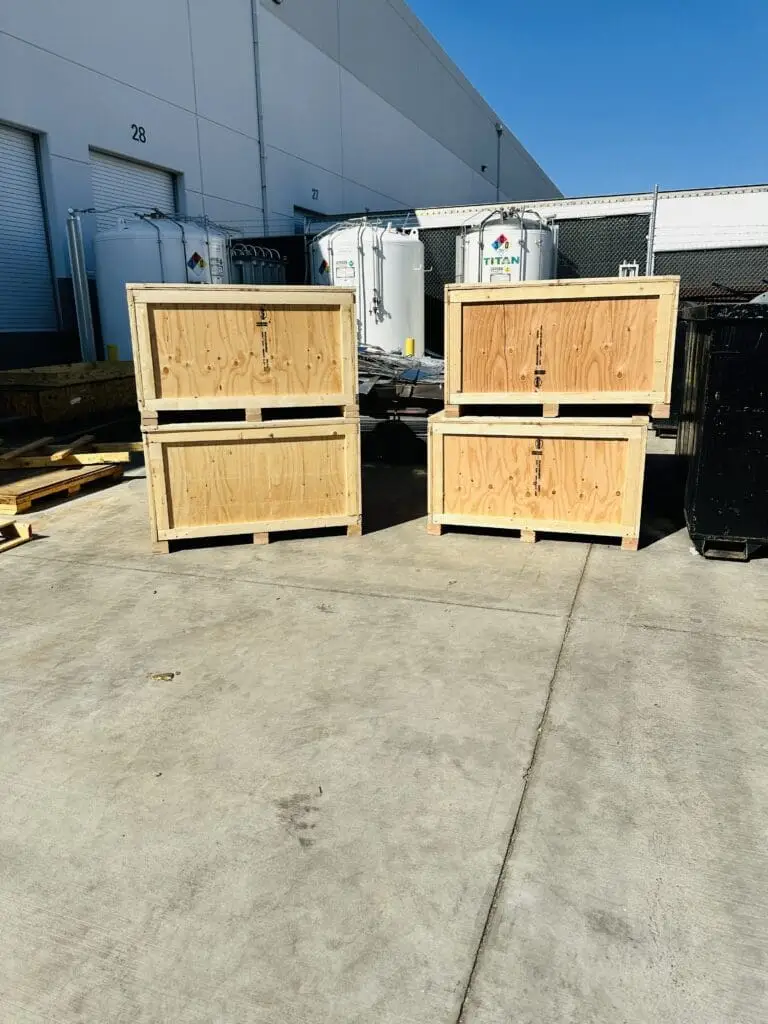
Machinery and heavy parts require reliable weight information and suitable lifting, support and restraint points. Provide those details before the base is designed.
For multiple components, plan the inventory and compartments so heavy pieces cannot strike smaller ones. State whether the shipment travels assembled, with removable parts or with transport locks, and identify who performs that preparation.
Aerospace parts and assemblies
Aerospace shipments may carry detailed customer or manufacturer specifications for packaging, traceability, cleanliness or preservation. Supply those requirements directly rather than relying on a generic industry claim.
Any specialized supports, moisture protection or tested performance should be agreed and documented for the part. The crate's appearance does not establish airworthiness, approval or compliance with the customer's specification.
Prepare the common information each provider needs
- Item identification, dimensions and reliable weight.
- Manufacturer, conservator or customer packing instructions.
- Approved support and handling points.
- Destination, freight method and environmental requirements.
- Receiving access, unloading equipment and opening instructions.
For exports, assess regulated wood treatment and marking separately from the cargo's own requirements. Confirm provider capabilities for the specific project rather than assuming every specialized service is available.
PLAN YOUR CRATING
Discuss an industry-specific crate brief
Contact Crates of Las Vegas about custom crating with the item's actual specifications. A precise brief helps the proposal address the requirements that matter in your industry.
Discuss your crating projectMORE CRATING GUIDES