LAS VEGAS · CRATING GUIDE
Custom Wooden Crates and Sustainability: Evaluate the Full Journey
A sustainable packaging decision needs more than an eco-friendly label. The materials used, the protection provided, the transport burden and what happens after delivery all matter.
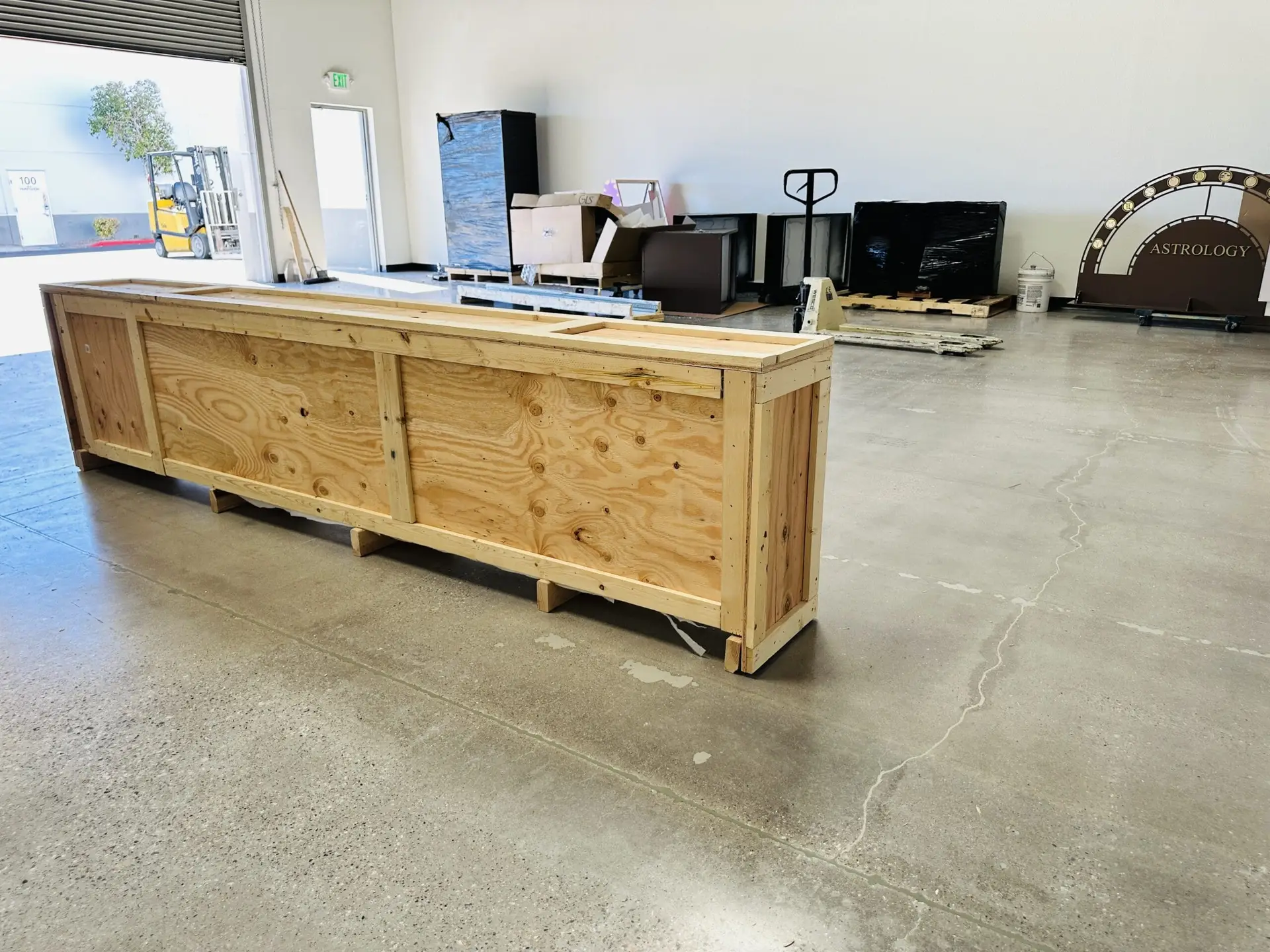
Custom wooden crates can be useful where a durable, item-specific enclosure has a practical role. To assess their environmental value, ask how the proposed design performs across its actual life rather than assuming that wood is always the lower-impact choice.
Start by avoiding unnecessary material and damage
Specify the protection the item needs and avoid adding layers without a purpose. A well-planned package should provide room for suitable supports and cushioning without unnecessary size or weight.
The EPA's materials-management hierarchy prioritizes source reduction and reuse. In a shipping project, that means evaluating material use together with practical protection, rather than reducing packaging until the item is inadequately supported.
Ask for evidence about sourcing
Wood is renewable, but the source of a particular crate's lumber still needs to be established. Ask the supplier about the actual material and any relevant sourcing documentation or certification.
Do not infer responsibly managed forestry, recycled content or a lower carbon footprint from the material name alone. ISPM 15 treatment, where required for export, addresses plant-pest risk and does not certify sustainable sourcing.
Make reuse workable before the first trip
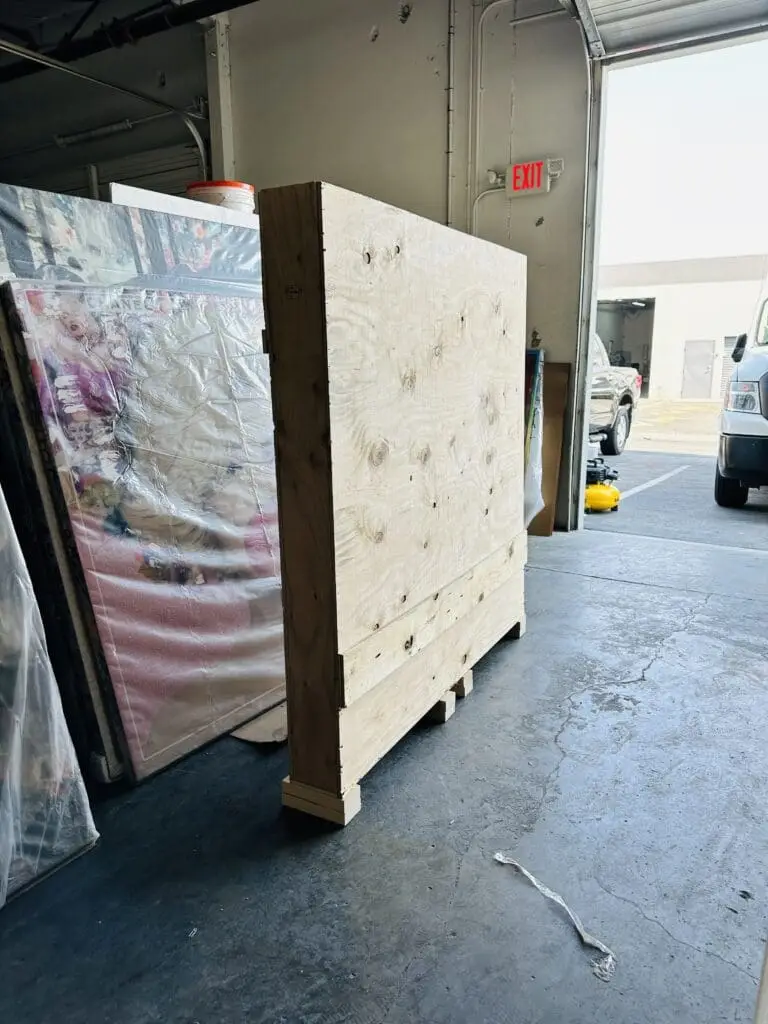
A repeated-use design needs suitable closures, a documented interior layout and an inspection process. Confirm who keeps the crate, where it is stored and how it returns for the next shipment.
- Check whether future loads will use the same support arrangement.
- Inspect the base, panels, connections and cushioning after each journey.
- Plan repairs with the relevant provider, including export implications.
- Include return freight and storage in the evaluation.
- Track actual reuse rather than a theoretical number of trips.
A durable crate that has no practical return route may offer less repeat-use value than expected. Other packaging systems may also be reusable when properly designed and managed.
Check recovery options at the destination
Ask local facilities which wood and packing materials they accept. Coatings, contamination, mixed materials and hardware can affect the recovery route. A general recyclable claim does not ensure that a receiver has access to the right service.
Avoid assuming that a whole crate will break down quickly or harmlessly after disposal. The FTC's environmental-claims guidance cautions against unsupported broad green, degradable and recycling claims.
Measure cost and improvement with real records
Track packaging purchases, damage, repairs, freight and completed reuse cycles. Compare alternatives that meet the same protection requirements and state the basis of any claimed reduction.
Specific results are more useful to customers than an unqualified eco-friendly promise. Future design improvements should follow those records, rather than predictions about technology or customer preferences.
PLAN YOUR CRATING
Discuss a practical reuse-oriented crate
Contact Crates of Las Vegas about custom crating with the shipment and return plans. Ask about material choices and serviceable construction so sustainability goals can be evaluated alongside protection and cost.
Discuss your crating projectMORE CRATING GUIDES