
LAS VEGAS · CRATING GUIDE
On-Site Crating in Las Vegas: Planning for Business Efficiency
On-site crating brings the packing work to the item. For a Las Vegas business shipping heavy equipment, fragile displays or valuable merchandise, that can remove an extra trip to a packing facility and make the handoff easier to coordinate. The benefit depends on preparing the workspace, access route and shipment details before the crew arrives.
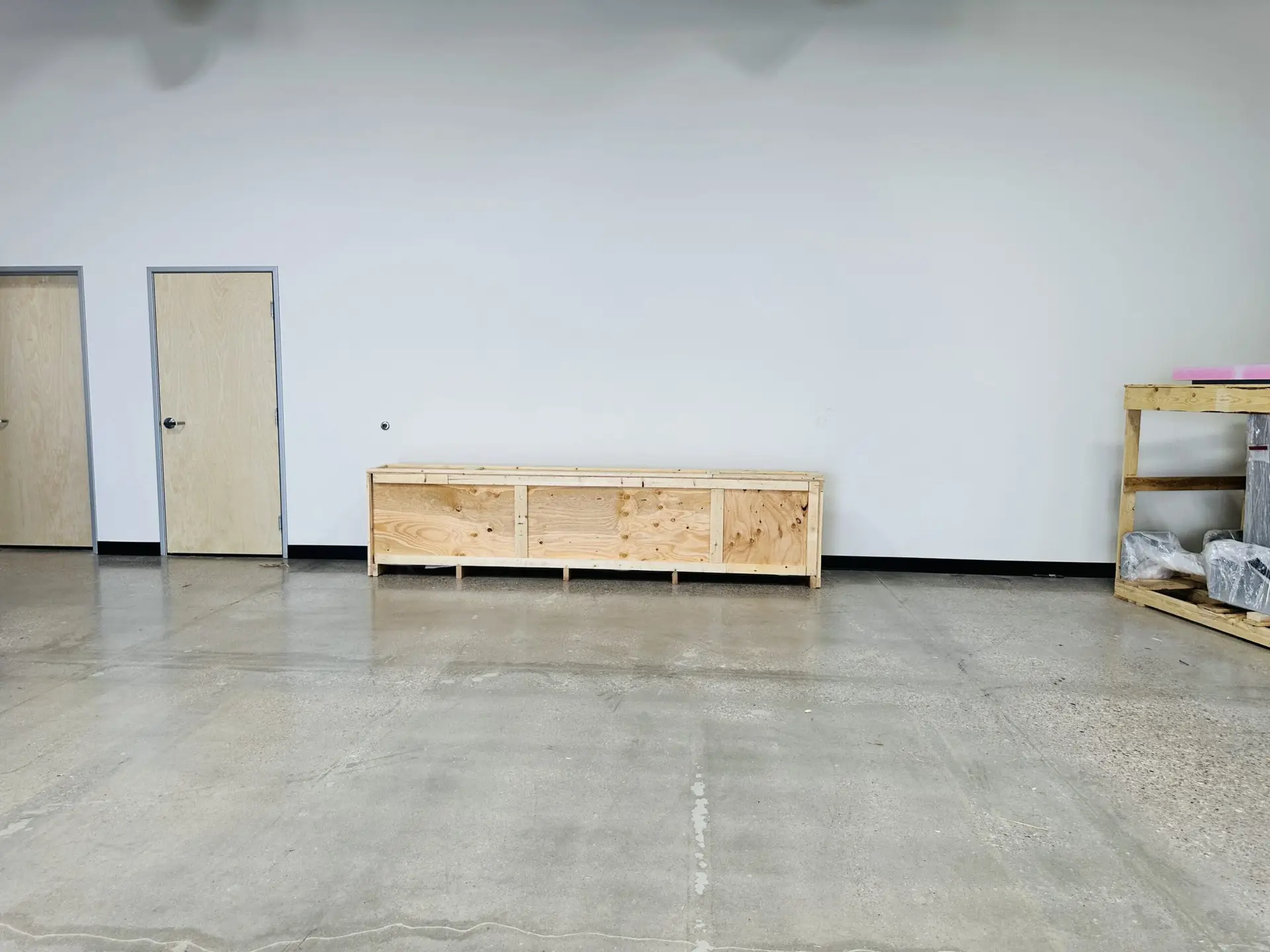
A useful plan covers more than the wooden enclosure. It also identifies who will prepare the item, how it will be moved, what protection it needs and when the carrier can collect it.
Reduce extra handling before pickup
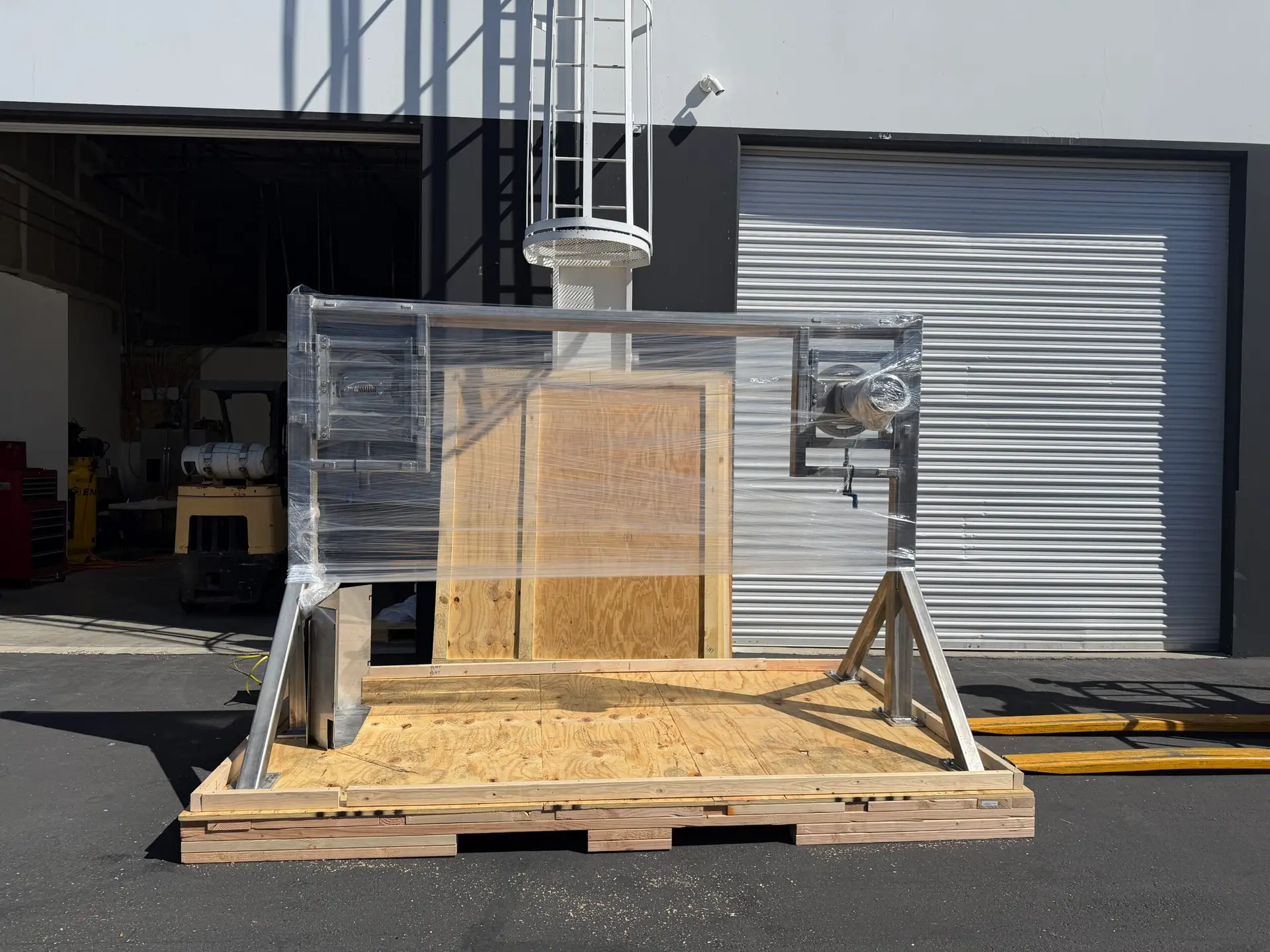
Building or fitting a crate at your location can reduce the number of times an unpacked item must be loaded and unloaded. This is particularly worth considering when the item is difficult to move, has exposed surfaces or is already positioned near a suitable loading area.
Check the site first. A crate may be larger than the item it contains, so a doorway that accommodates the equipment alone may not accommodate the finished package. Discuss elevators, tight turns, working space and loading restrictions before agreeing on the sequence.
Match the crate to the item and the route
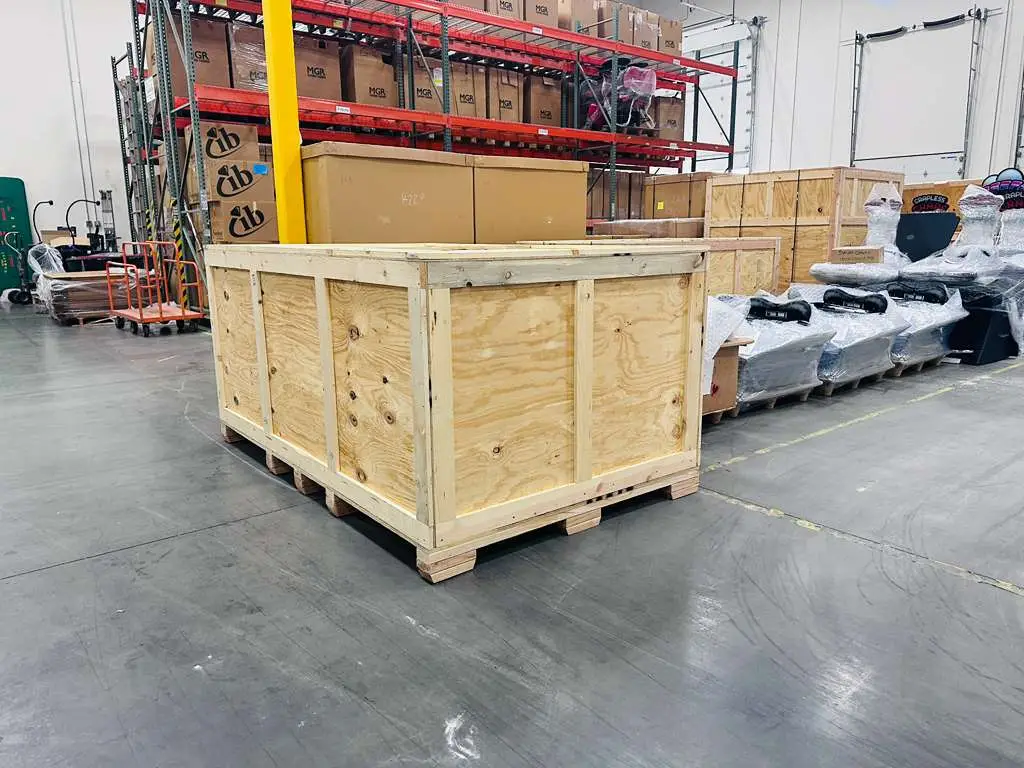
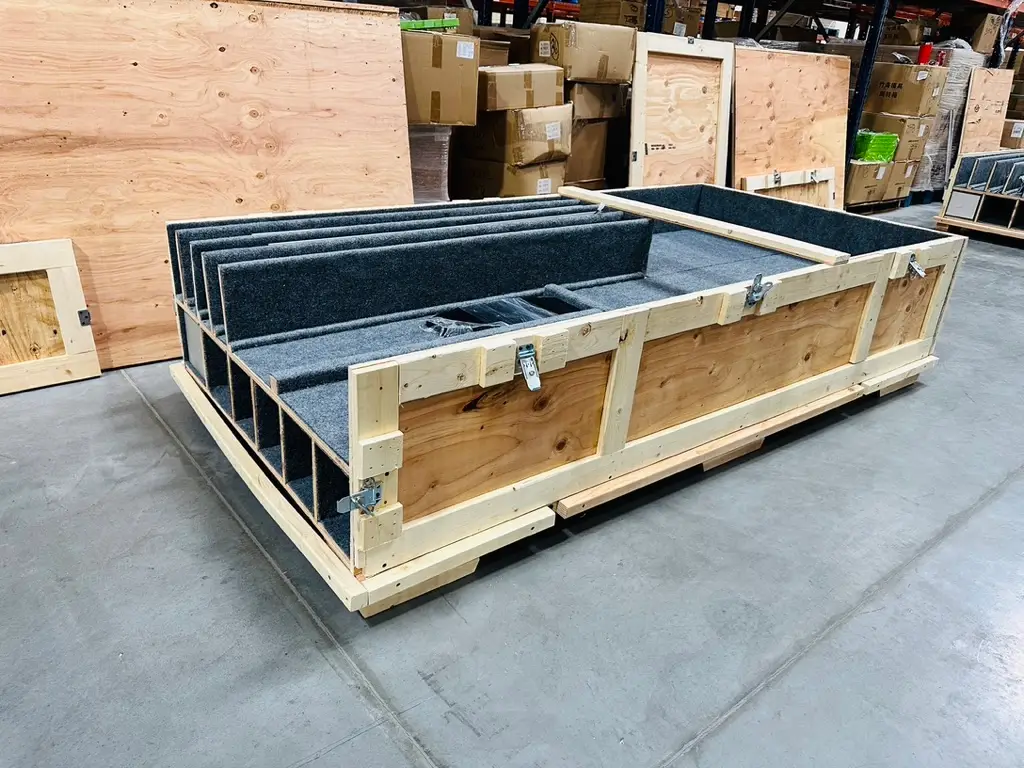
Custom crating starts with dimensions, weight, shape and vulnerability. Electronics, machinery and artwork need different forms of support. A rigid outer shell, properly selected cushioning and internal restraints serve different purposes; adding more material is not a substitute for a suitable design.
- Identify surfaces that must not carry pressure or contact wrapping.
- Provide manufacturer instructions and approved support or lifting points where applicable.
- Describe the route, expected transfers and any storage before delivery.
- Decide how the receiver will open the crate and remove the item.
Compare the complete cost of the move
On-site work may avoid a separate transfer, but it still involves travel, labor, materials and access arrangements. Ask for a written scope that separates crating, packing, loading and freight so you can compare equivalent services.
Right-sizing can reduce unnecessary shipping volume. It cannot guarantee a lower carrier charge: the final rate depends on the completed package, weight, service and handling requirements. Preserve the cushioning and structural clearance the item needs when considering a smaller crate.
Confirm carrier and export requirements early
Tell the crating provider whether the shipment is domestic or international before fabrication. For applicable export routes, regulated wood packaging needs appropriate treatment and marking. Check the destination requirements with your freight provider or customs broker; USDA APHIS explains the U.S. export wood-packaging program.
Wood-packaging compliance does not replace the cargo's documentation or the carrier's acceptance rules. Agree on the finished dimensions, access needs and pickup conditions with the carrier before dispatch.
Make the handoff accountable
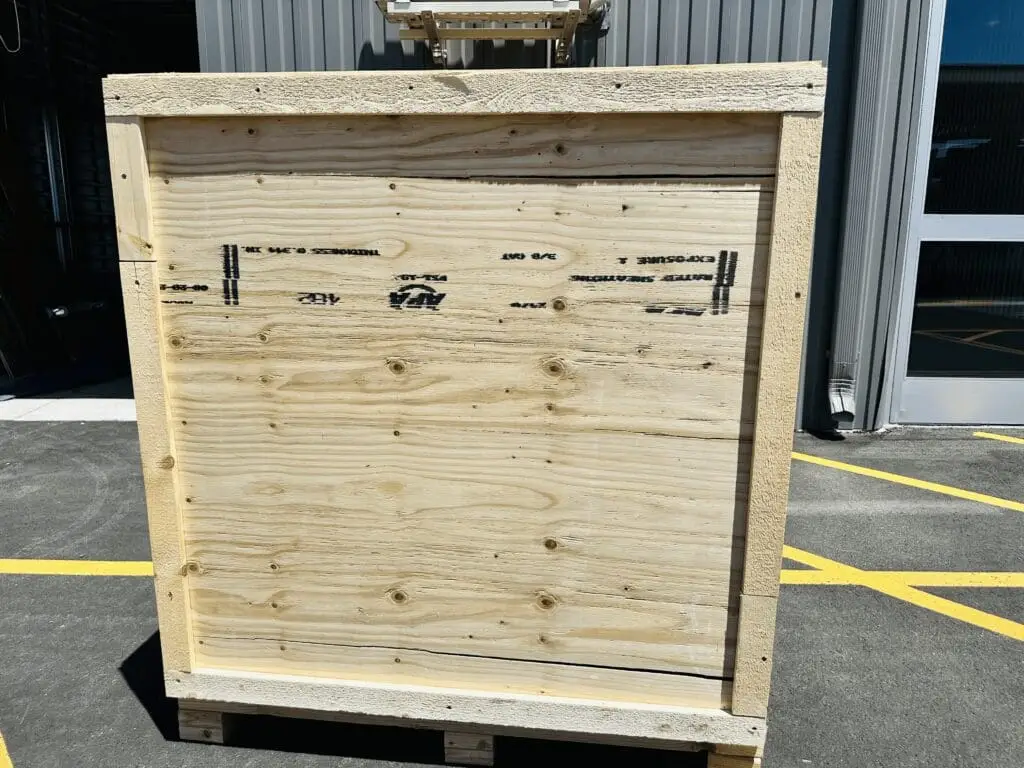
Packing at the item's original location lets your team review the inventory and condition before closure. Record the contents, take photographs and identify the person authorized to release the shipment. These steps create a useful handoff record, but do not make a crate theft-proof or guarantee delivery timing.
- Confirm the item is prepared and accessible before the appointment.
- Reserve the workspace and route to the loading area.
- Review the contents and packing instructions before the crate is closed.
- Record the final package measurements and coordinate collection.
PLAN YOUR CRATING
Plan on-site crating for your business
Contact Crates of Las Vegas with photos, dimensions, weight, pickup access and destination details. Include your preferred schedule and any limits on working hours so the on-site crating scope can be discussed before you book.
Discuss your crating projectMORE CRATING GUIDES