LAS VEGAS · CRATING GUIDE
How Custom Crates Are Designed Around the Item
A useful custom crate is designed around the object, the journey and the people handling it. Dimensions establish the starting point, while weight, fragile surfaces, support points and the receiving setup determine what the package actually needs.
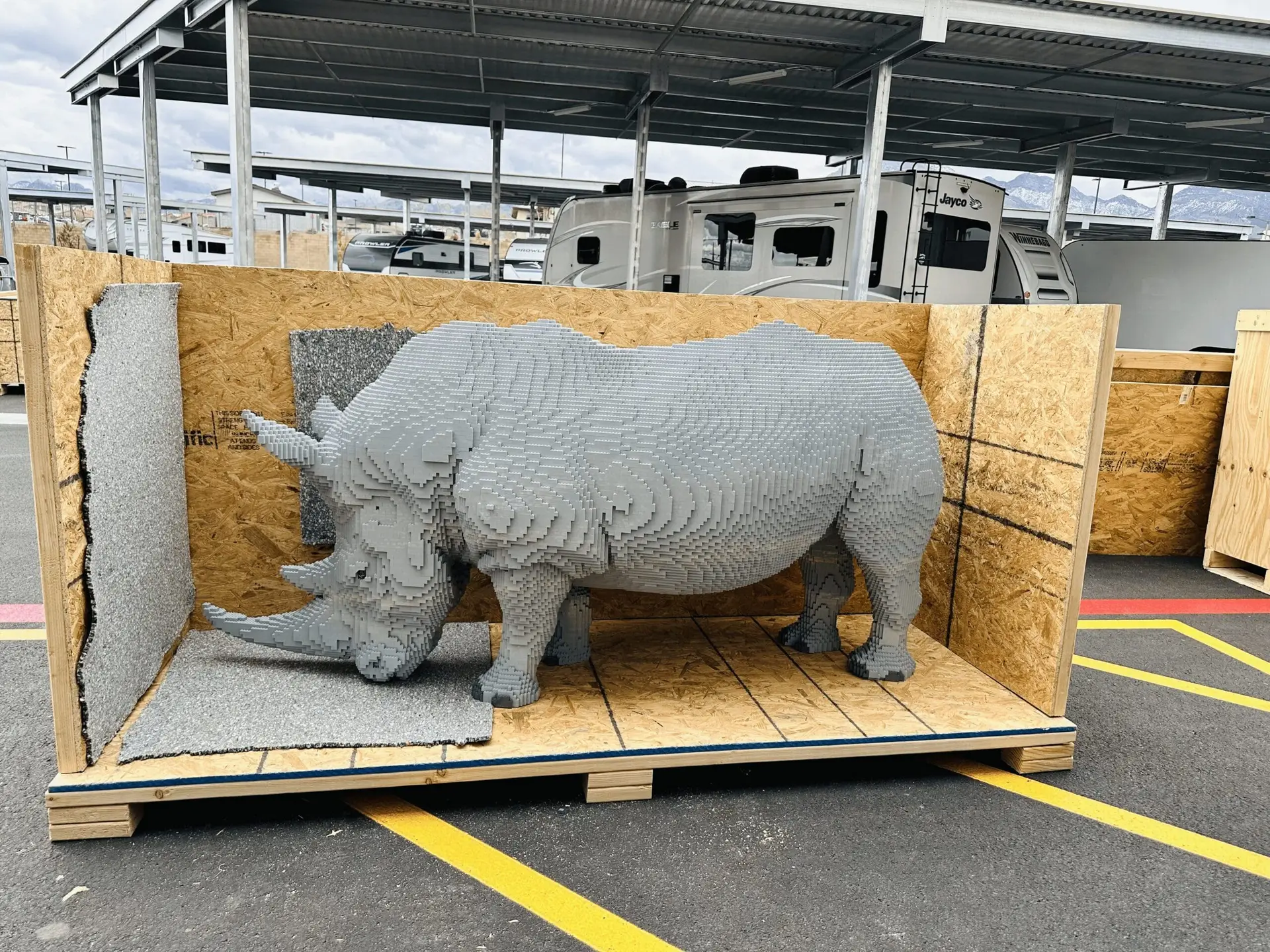
That is why two items of similar size may need very different crates. A sculpture with projecting details, a heavy machine and a medical instrument do not share the same support or preparation requirements.
Define the item before choosing the crate
Measure the item in its shipping configuration and include attachments or removable parts. Provide a reliable weight and describe vulnerable areas. Equipment instructions or a specialist's handling guidance should be available before design decisions are made.
A good fit includes room for the protective system and safe removal. It should not mean squeezing the object against rigid walls. Supports need appropriate contact points, while separate components may need their own compartments or packages.
Select materials by their function
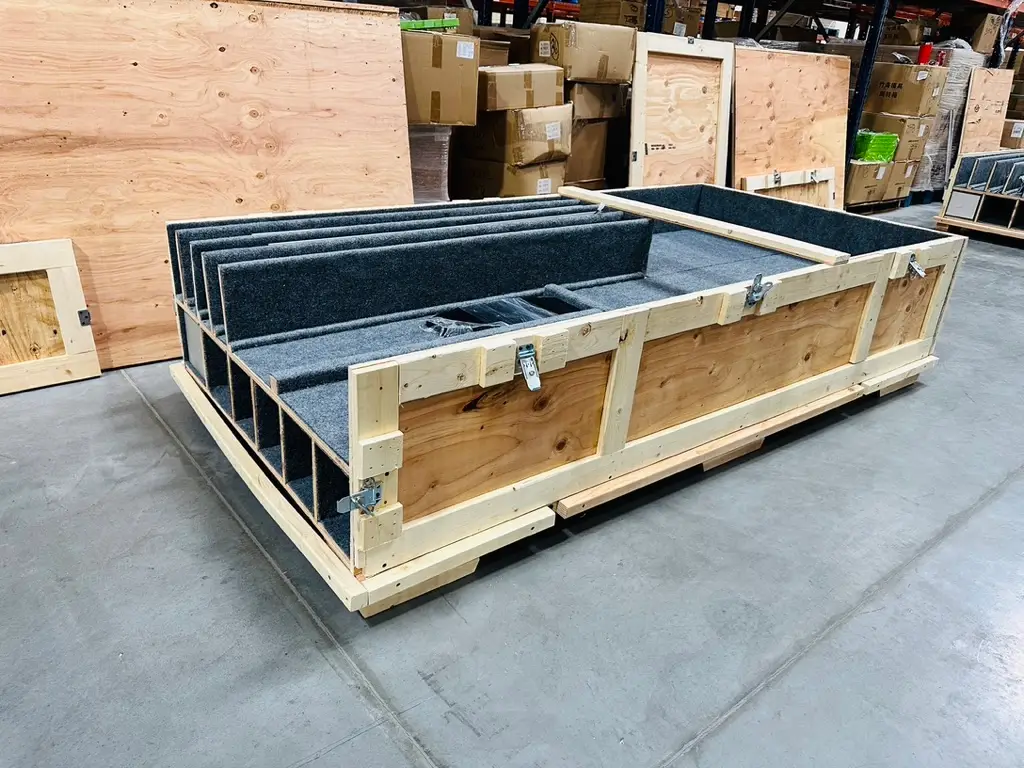
The base, enclosure and internal packing perform different jobs. Structural materials carry and contain the load; restraints control movement; selected cushioning and surface protection address vulnerability. The material choices should be explained in those terms.
Ask whether moisture protection, reusable fasteners or other features are appropriate for the route. Do not assume that premium wood, a coating or extra foam makes a package waterproof, climate-controlled or suitable for every condition.
For an international shipment, confirm treatment and marking requirements for regulated wood packaging before fabrication. APHIS provides U.S. export guidance; this compliance question is separate from structural performance.
Adapt the design to the job
- Fine art: identify condition concerns, fragile surfaces and suitable support points.
- Hospitality projects: align the packing inventory with the delivery and installation sequence.
- Medical equipment: follow manufacturer preparation and receiving requirements.
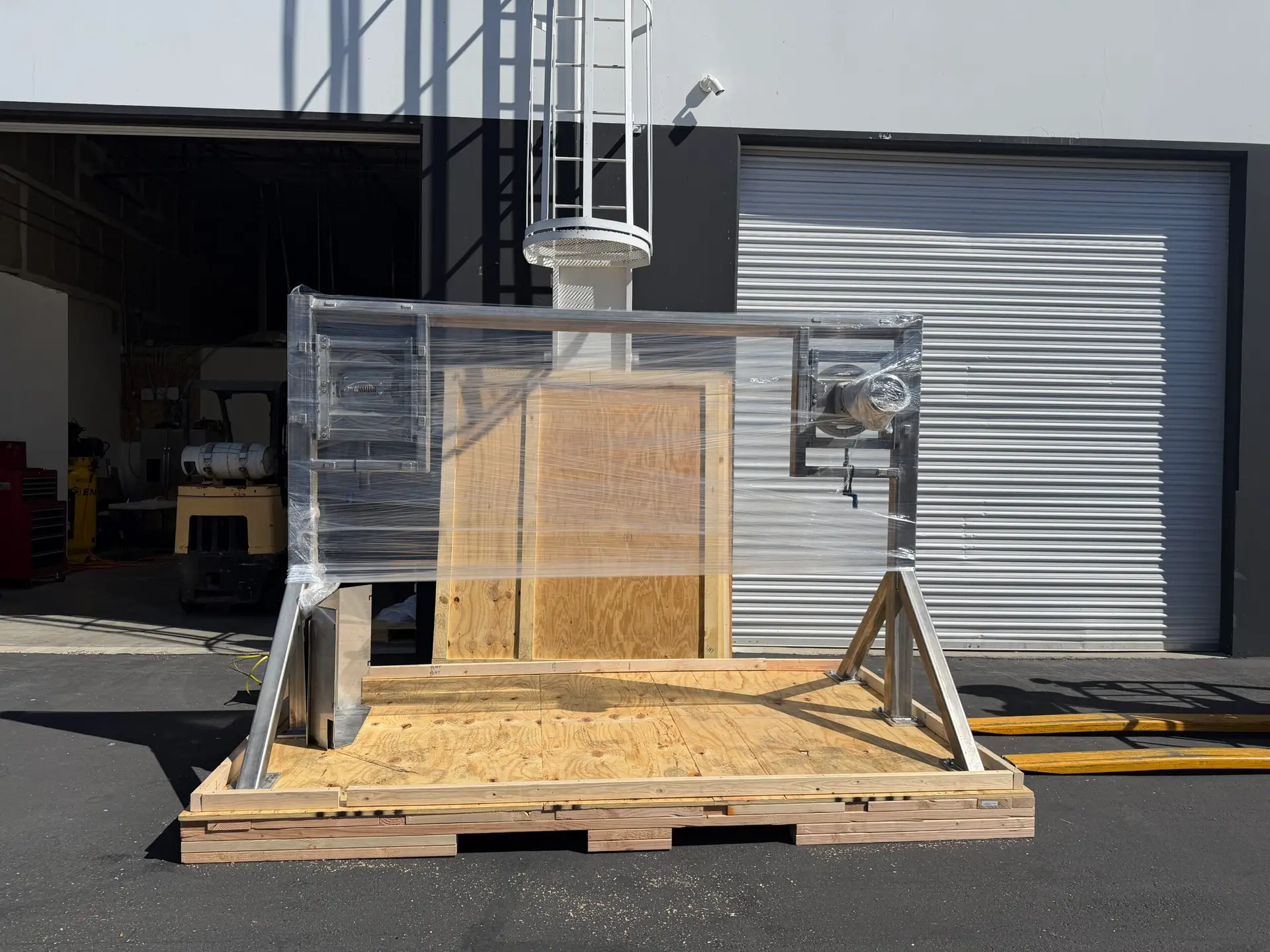
- Industrial machinery: confirm the weight, lifting plan and loading access with qualified personnel.
These are starting points for a discussion, not interchangeable specifications. The actual item and transport plan determine which materials and construction details are appropriate.
Follow a clear assessment-to-handoff process
- Assess: gather photos, dimensions, weight and handling requirements; discuss whether an on-site visit is needed.
- Define the scope: agree on the crate, internal packing and any additional services.
- Prepare and pack: complete the item's required preparation and document the contents before closure.
- Coordinate collection: confirm finished package specifications and suitable loading equipment.
- Prepare the receiver: provide an inventory and opening instructions, with the required people and equipment ready.
Confirm which party handles each stage. A crate quote does not automatically include machinery preparation, freight, storage or installation, and any planned service must be agreed before relying on it.
Compare value over the intended use
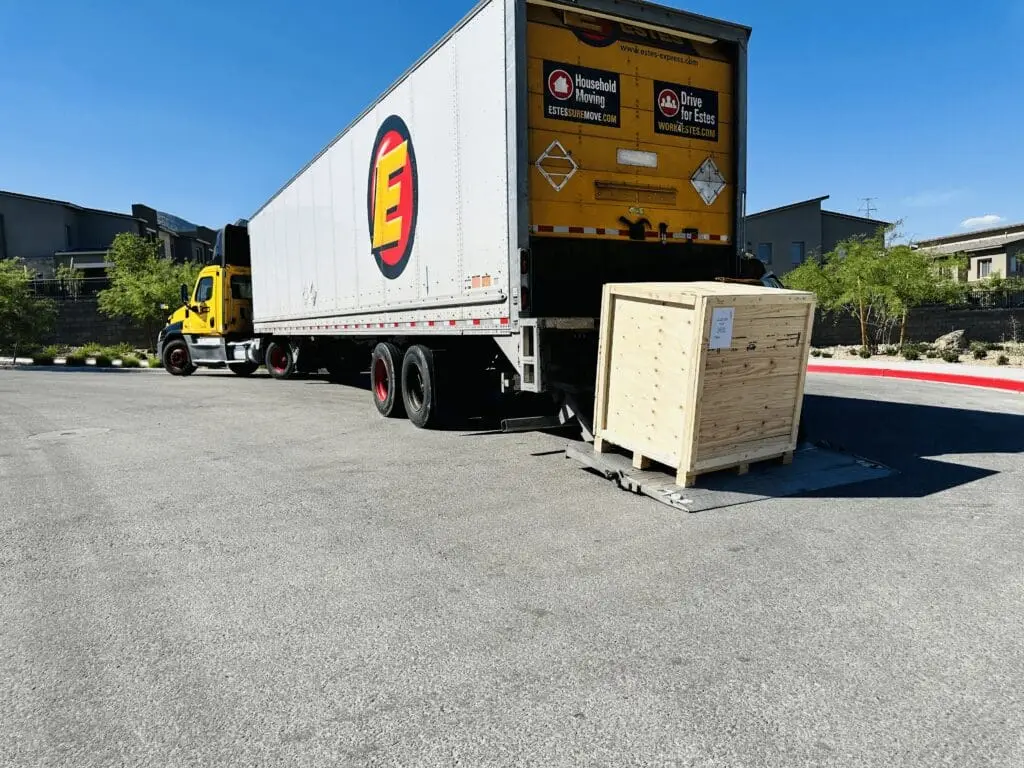
Custom crating can be worthwhile when it addresses risks that standard packaging leaves unresolved. Compare the complete cost with the item's vulnerability, replacement options, handling needs and expected number of journeys.
For repeat use, include storage, return freight, inspection and repairs. For a one-way move, discuss a suitable design for that route. Neither the most elaborate crate nor the cheapest one is automatically the right choice.
PLAN YOUR CRATING
Start a custom crate design discussion
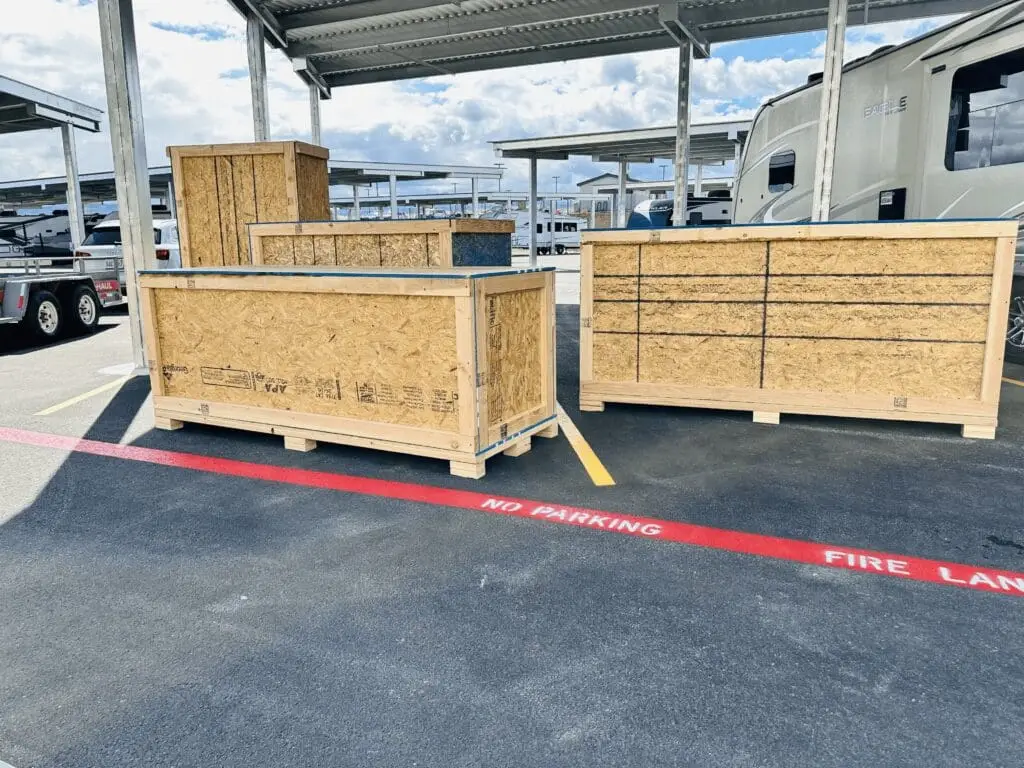
Send Crates of Las Vegas your item photos, dimensions, weight, destination and handling instructions. Include access limits and reuse plans so the proposed crate can be built around a clear, practical shipping brief.
Discuss your crating projectMORE CRATING GUIDES