

LAS VEGAS · CRATING GUIDE
Sustainable Crating: Practical Ways to Reduce Packaging Waste
Reducing packaging waste starts with a practical question: how can the shipment be protected with materials that have a useful plan beyond one journey? A custom crate may support that goal through suitable sizing, repairable construction or reuse, but its environmental performance depends on how it is made, transported and actually used.
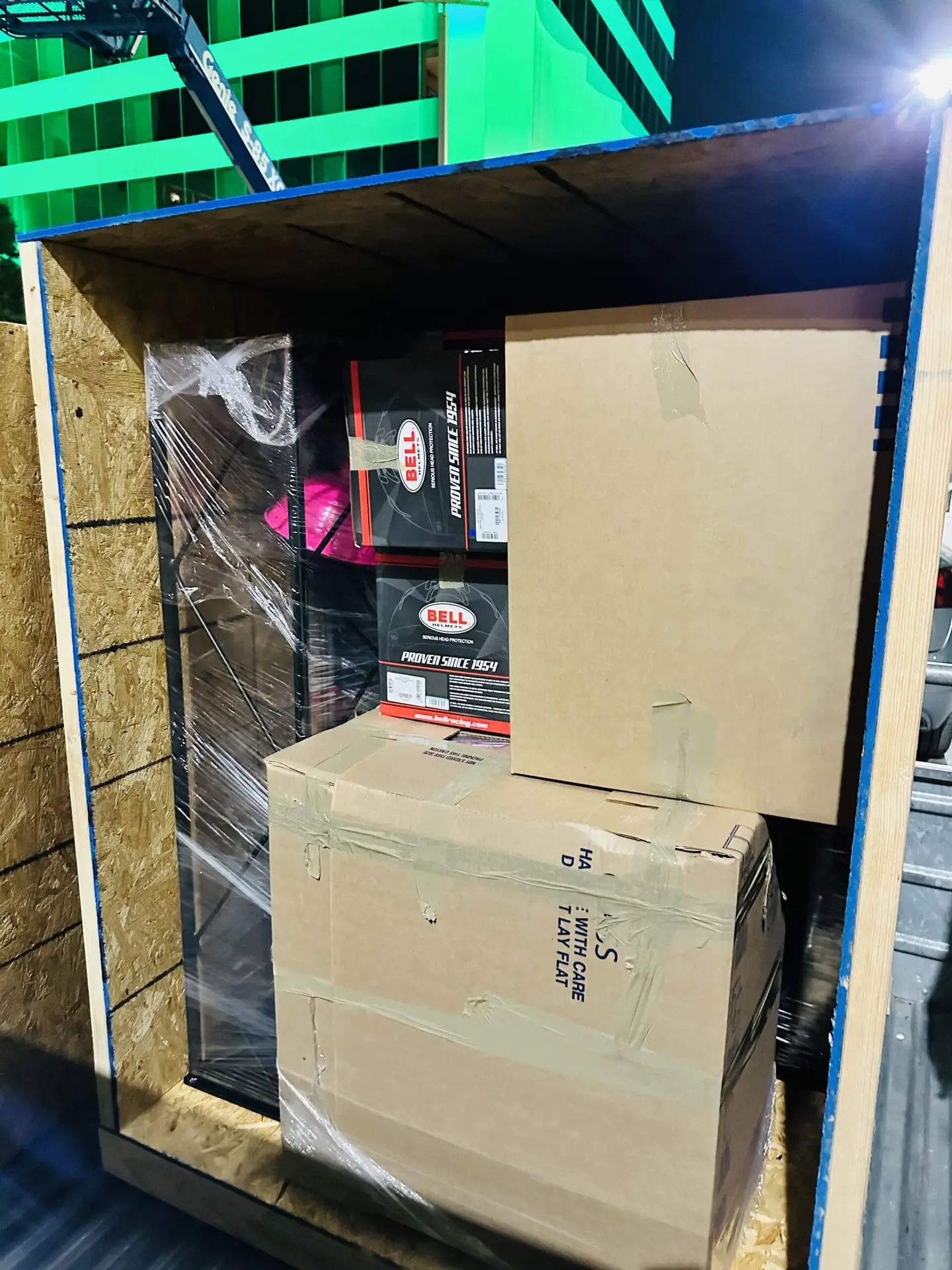
For a Las Vegas business planning a shipment, specific questions are more useful than a general “eco-friendly” label. Ask what can be measured, what can be documented and what will happen to the packaging at the destination.
Consider the whole packaging life cycle
The EPA's sustainable materials management framework considers a material from acquisition and manufacturing through use, reuse and disposal. That approach is useful when comparing a one-way package with a heavier crate intended for repeated trips.
Include the shipment's protection needs in the decision. A design that uses less material but does not adequately support the item may lead to repacking, repairs or another shipment. The aim is appropriate protection with a realistic material-use plan.
Ask for specific material information
If your purchasing policy calls for certified sourcing or recycled content, identify the required documentation before requesting a quote. Ask which components the documentation covers. A claim about the wood does not necessarily describe the foam, fasteners, coatings or the complete crate.
- What materials are proposed, and what role does each serve?
- Is relevant sourcing or recycled-content documentation available?
- Can packing components be removed and separated after use?
- Which materials will the destination's recovery facilities accept?
Do not assume that wood is automatically certified, that all plastics are unrecoverable or that every material described as biodegradable is suitable for the available disposal route.
Build a realistic reuse plan
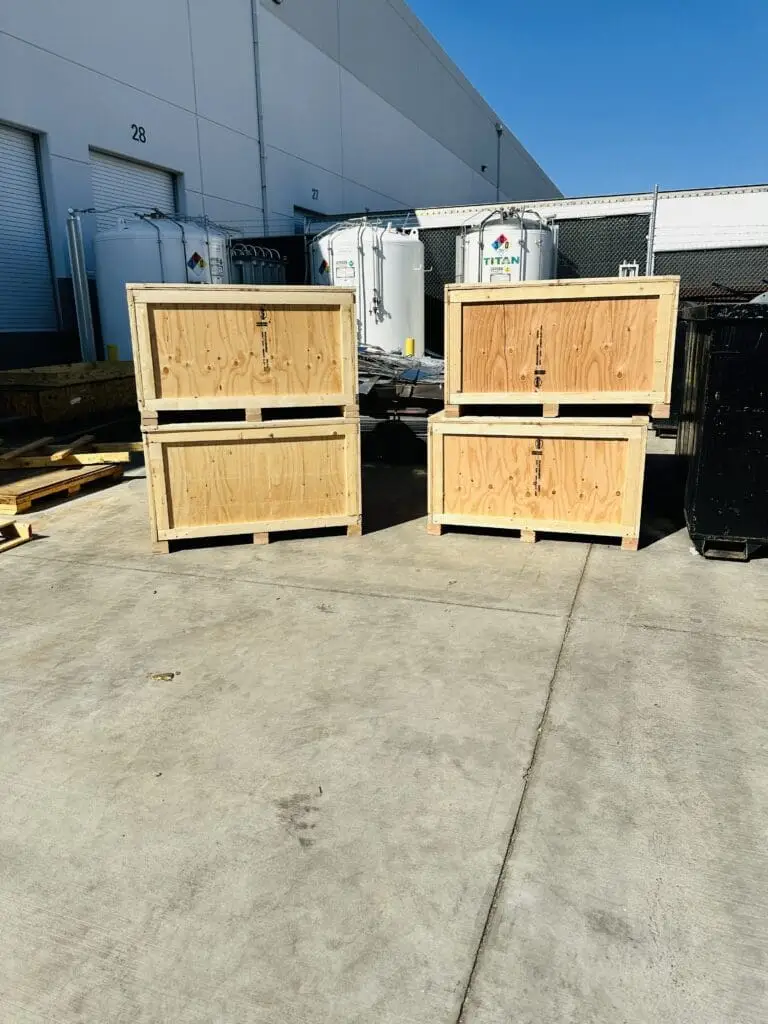
Reuse works best when the next journey is known. A repeat exhibit or a recurring equipment shipment can give the crate a clear purpose after delivery. Discuss access panels, replaceable inserts and a packing diagram at the design stage.
Include empty-crate transport, storage, inspection and repair. A crate that sits unused or must travel a long way back empty may perform differently from the original plan. Record how many trips it actually completes and why it is retired.
Reduce avoidable waste in design and operations
Right-sizing can reduce unneeded space and excess filler, while retaining essential cushioning and structural supports. Ask the provider whether suitable offcuts or reusable components can be used for the job; availability and suitability need to be confirmed.
Manufacturing energy and supplier distance also matter, but a local address or a modern tool does not establish a quantified environmental benefit. If those factors are important to procurement, ask for evidence rather than assuming a specific energy-saving or local-sourcing program exists.
Make environmental claims precise
The FTC's Green Guides summary cautions against broad, unqualified claims such as “green” or “eco-friendly.” Specific descriptions are easier to evaluate and support.
For internal records or customer reporting, track the facts you can verify: reuse trips, components replaced, materials recovered and the applicable documentation. Do not turn a single positive attribute into a claim that the entire shipment has no environmental impact.
PLAN YOUR CRATING
Discuss lower-waste options for your crate
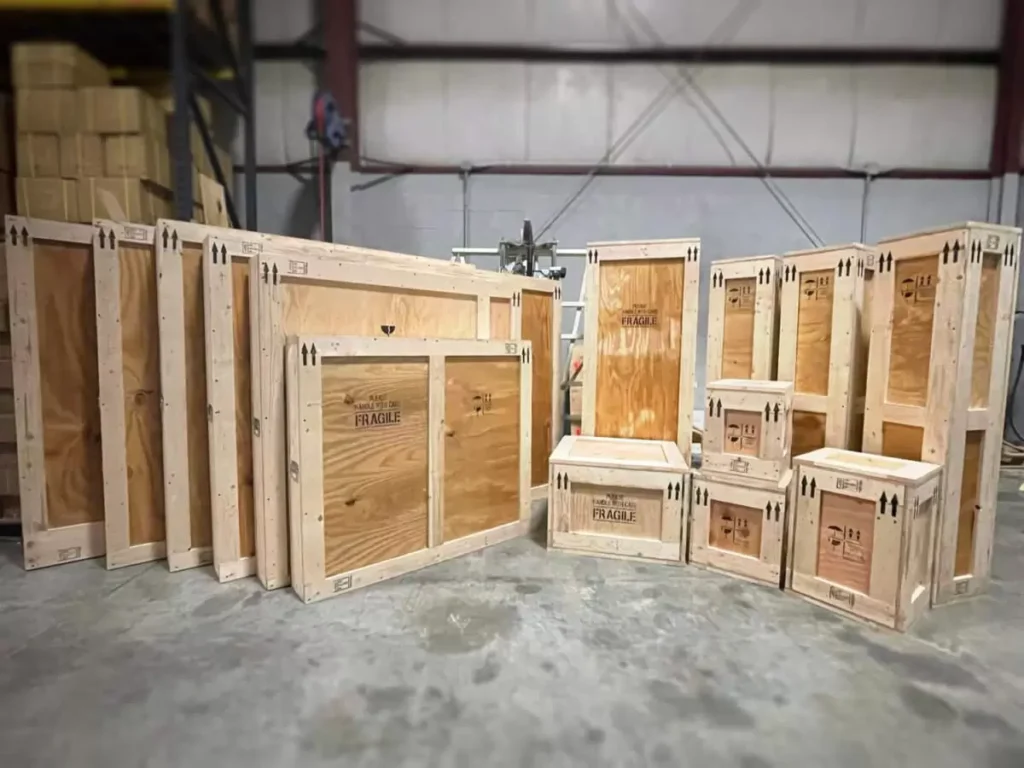
Contact Crates of Las Vegas with your shipment details, expected number of uses and material-documentation requirements. Ask which reusable, repairable or right-sized options are suitable for the job and what recovery arrangements you should plan at destination.
Discuss your crating projectMORE CRATING GUIDES




