

LAS VEGAS · CRATING GUIDE
How to Choose a Shipping Crate in Las Vegas
Choosing a shipping crate in Las Vegas involves more than finding a box large enough for the item. The crate must support the load, protect vulnerable parts and work with the handling arrangements at both pickup and delivery.
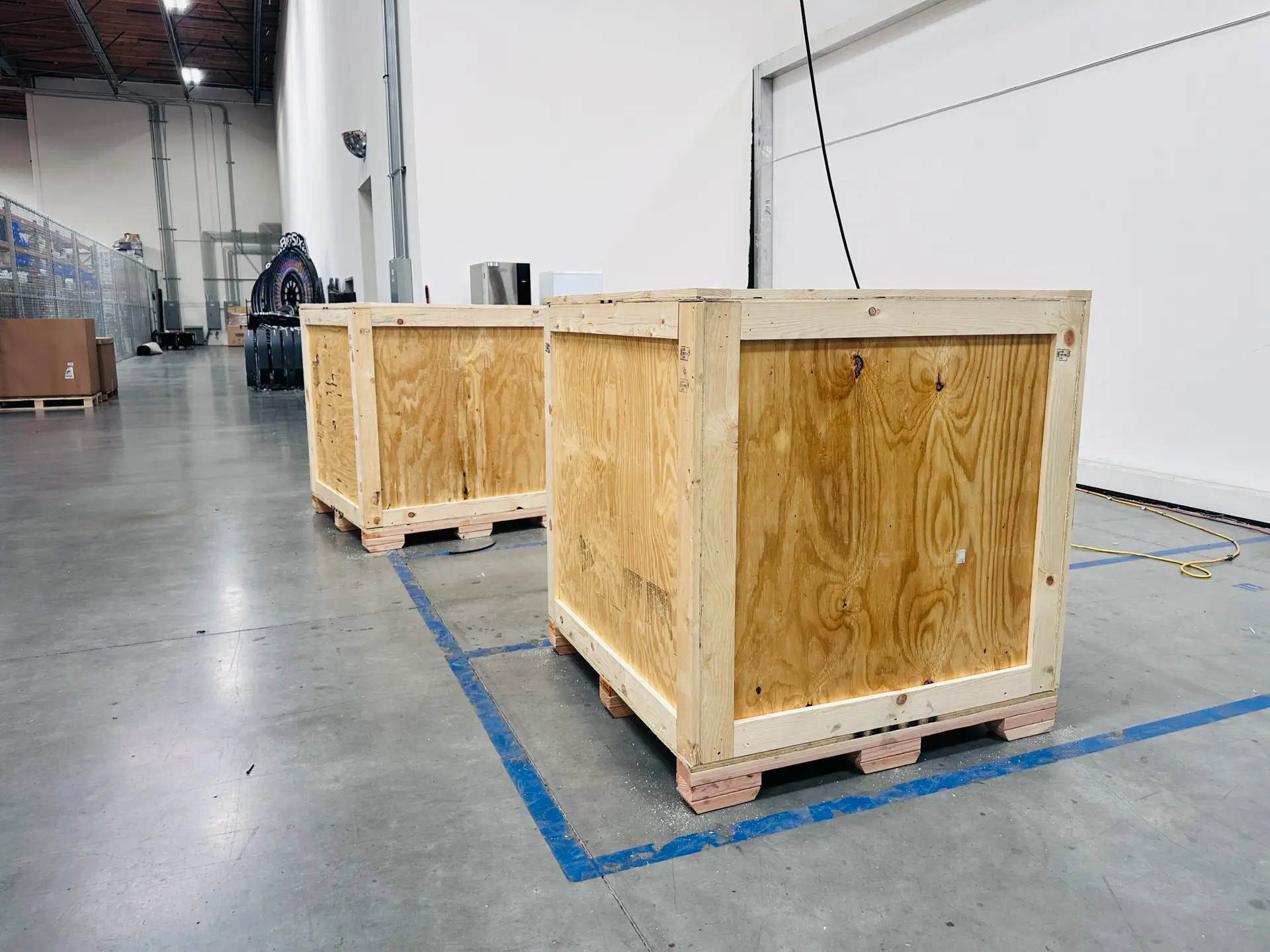
Whether you are sending machinery, artwork, medical equipment, electronics or commercial freight, start with three questions: what is being shipped, what can damage it, and how will it move? Those answers help determine whether a standard crate is suitable or a custom design is needed.
Assess the item before choosing the crate
Dimensions and weight
Provide the item’s height, width, length and weight, including attached feet, handles or projections. Note any accessories that will be packed separately. The finished crate will also include the weight and space of its base, enclosure and protective materials.
Identify strong support areas, fragile points and any known center-of-gravity information. For equipment, obtain approved lifting and securing instructions rather than assuming an exterior frame or handle can carry the load.
Fragility and interior protection
Explain what needs protection: a painted finish, glass panel, exposed control, calibrated assembly or other vulnerable feature. The proposal may combine blocking, supports, partitions and cushioning to address those needs.
Static-sensitive electronics and medical or laboratory equipment should follow manufacturer packing and preparation requirements. For valuable artwork or delicate surfaces, confirm material compatibility instead of assuming that a generic lining is appropriate.
Route and destination
Tell the provider the destination, transport mode, expected storage and requested arrival date. Include how the receiver will unload and open the crate. A well-designed package still needs suitable handling and transport services.
Compare custom and standard options fairly
A standard crate can work when its capacity, dimensions, supports and access features match the shipment. Custom construction is useful when those features need to be changed for the item.
Compare the following points rather than relying on the label alone:
- Fit: enough room for planned protection without uncontrolled movement
- Load support: a base and internal supports suited to the weight distribution
- Access: a practical way to pack, inspect and remove the item
- Protection: appropriate materials for the identified surface and transit risks
- Reuse: hardware and packing instructions suited to any future trips
Neither a standard box nor a custom crate provides complete protection merely because it is made of wood. The overall design and packing arrangement determine its suitability.
Plan pickup and receiving access
For onsite packing, confirm the item’s location, available workspace and the route from the packing area to collection. Explain any stairs, narrow doors, restricted loading areas or limits on handling equipment.
If packing will take place at a workshop, decide how the item will reach it safely and who arranges the initial move. Confirm the workshop can receive the item before transport is booked.
At the destination, check unloading equipment, access dimensions, appointment requirements and who will remove the crate panels. Share the final outside dimensions and packed weight with the carrier and receiver. A change in packing size can affect the handling plan.
Address environmental and export needs
Moisture protection, corrosion prevention and temperature control are separate design questions. Depending on the item and journey, the provider may discuss barriers, desiccants, compatible protective materials or a different transport service.
A wooden enclosure is not automatically waterproof or climate controlled. Do not assume wrapping alone will satisfy the requirements of sensitive equipment or artwork.
For international shipments, APHIS advises checking the destination’s wood-packaging requirements. Confirm applicable treatment and authorized marking before the crate is built. Other customs and transport requirements remain separate.
Choose a provider using a clear scope
Ask about comparable work and how the proposed packing protects the features you identified. Verify whether the quote includes measurement, materials, packing, onsite labor, loading, collection or delivery. Use our custom shipping crate buying brief to prepare the same information for each proposal.
If you need specialist disconnection, rigging or commissioning, identify the responsible party explicitly. Do the same for carrier booking and insurance arrangements. A provider’s general service list does not establish what is included in your project.
Confirm the production schedule once the design and required information are agreed. Leave time for any manufacturer preparation or receiving coordination.
Local shipping-crate questions
Should I measure the item or wait for the provider?
Your measurements and photos help begin the quote. Ask which dimensions or handling details must be independently checked before construction.
Can I request a reusable crate?
Yes. Describe the expected trips, storage and people who will repack it. Confirm suitable hardware and an inspection plan.
Is carrier collection included in crating?
Only if the agreed scope says so. Confirm who books collection, provides the shipment details and coordinates unloading.
PLAN YOUR CRATING
Plan your Las Vegas crate shipment
Send Crates of Las Vegas the item’s dimensions, weight, photos, destination and target shipping date. Include pickup and receiving access so the proposed crate can be reviewed alongside the handling plan. For the service scope, review our custom shipping crate services.
Contact Crates of Las Vegas to discuss your shipment.
Request a Crating QuoteMORE CRATING GUIDES



