
LAS VEGAS · CRATING GUIDE
On-Site Crating Estimates and Packing: What to Expect
An on-site estimate lets the crating provider assess the item where it is located and review the access around it. For large equipment, fragile artwork or an awkward collection of pieces, that visit can reveal details that measurements alone miss.

On-site packing can also avoid moving an unprotected item to a separate facility. The practical benefit depends on the available workspace, the item's preparation and the responsibilities agreed before the appointment.
What an on-site assessment should establish
Start with the item's size, weight, condition and shipping configuration. Include protruding parts, removable components and any special instructions. The provider also needs to understand where the crate can be assembled or packed and how it will leave the site.
- Measure doorways, elevators and narrow turns along the route.
- Identify stairs, loading restrictions and parking or dock access.
- Point out fragile finishes or areas that cannot support pressure.
- Explain the destination, shipping method and any storage period.
If a weight or dimension is estimated rather than confirmed, say so. An estimate based on incomplete information may need revision when the packing requirements are known.
Agree on the packing work
Packing may involve surface protection, cushioning, internal supports and an inventory of separate pieces. Ask which tasks are included and which require the owner, manufacturer or another specialist. Equipment preparation and disassembly should not be assumed to be part of a crating appointment.
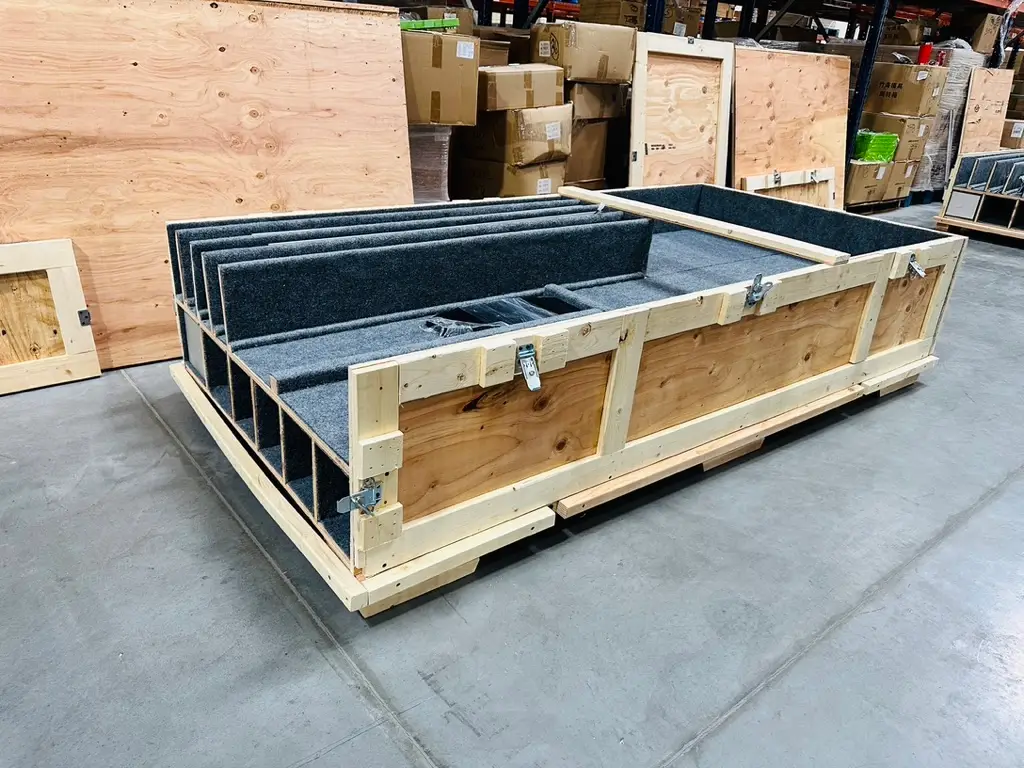
Review how the item will be supported inside the crate and how the receiver will remove it. If you expect to reuse the crate, discuss opening hardware, reusable inserts and a packing reference before the design is finalized.
Prepare the site for the appointment
A clear workspace helps the agreed work proceed without unnecessary interruption. Confirm the required space, available access hours and whether building staff must arrange entry or a loading reservation.
- Make the item accessible and complete the agreed preparation.
- Keep the packing area and exit route clear.
- Have an authorized contact available for questions and inventory checks.
- Confirm the collection plan after the crate is closed.
Discuss scheduling constraints before booking. Do not assume that a requested appointment, same-day completion or a particular carrier pickup time has been confirmed until it is agreed.
Use the visit to identify handling risks
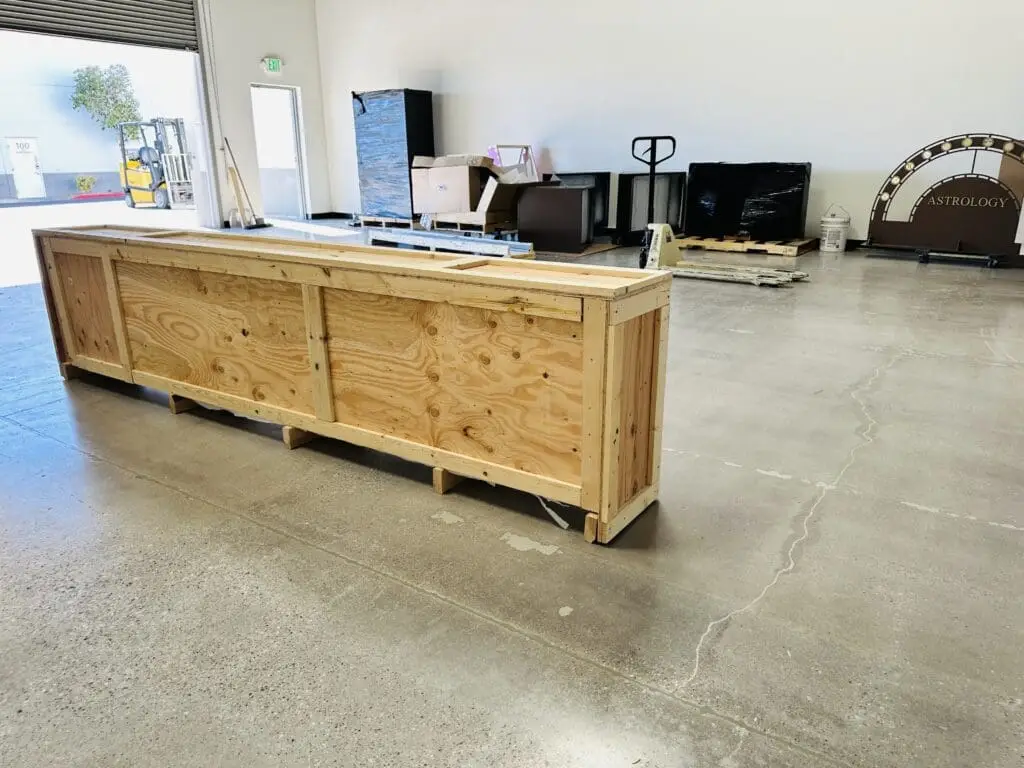
The provider can review how the item is currently positioned and where the finished crate must travel. A large crate may need different handling equipment than the unpacked item, particularly when its base and packing increase the total weight or dimensions.
Document condition and contents before closure, and keep the packing list with the shipment records. Clear instructions and appropriate protection can reduce avoidable problems, but no packing service can promise that all transport risk disappears.
Compare convenience with the complete cost
On-site service may save a separate transfer, while adding travel, setup or access-related work. Ask for a written scope separating the crate, materials, packing labor, loading and freight. Confirm whether an estimate visit has a charge before arranging it.
Compare like-for-like services. A low crate-only price and an on-site packing quote may cover very different work, and a smaller package is not necessarily appropriate if it removes required protection.
PLAN YOUR CRATING
Arrange an on-site crating discussion
Send Crates of Las Vegas photos, item dimensions and weight, your location and the destination. Include access limits and the preferred schedule so the team can discuss whether an on-site assessment and packing service fit the project.
Discuss your crating projectMORE CRATING GUIDES