Crates of Las Vegas Journal
Improve Packing Efficiency with a Clear Custom Crate Plan
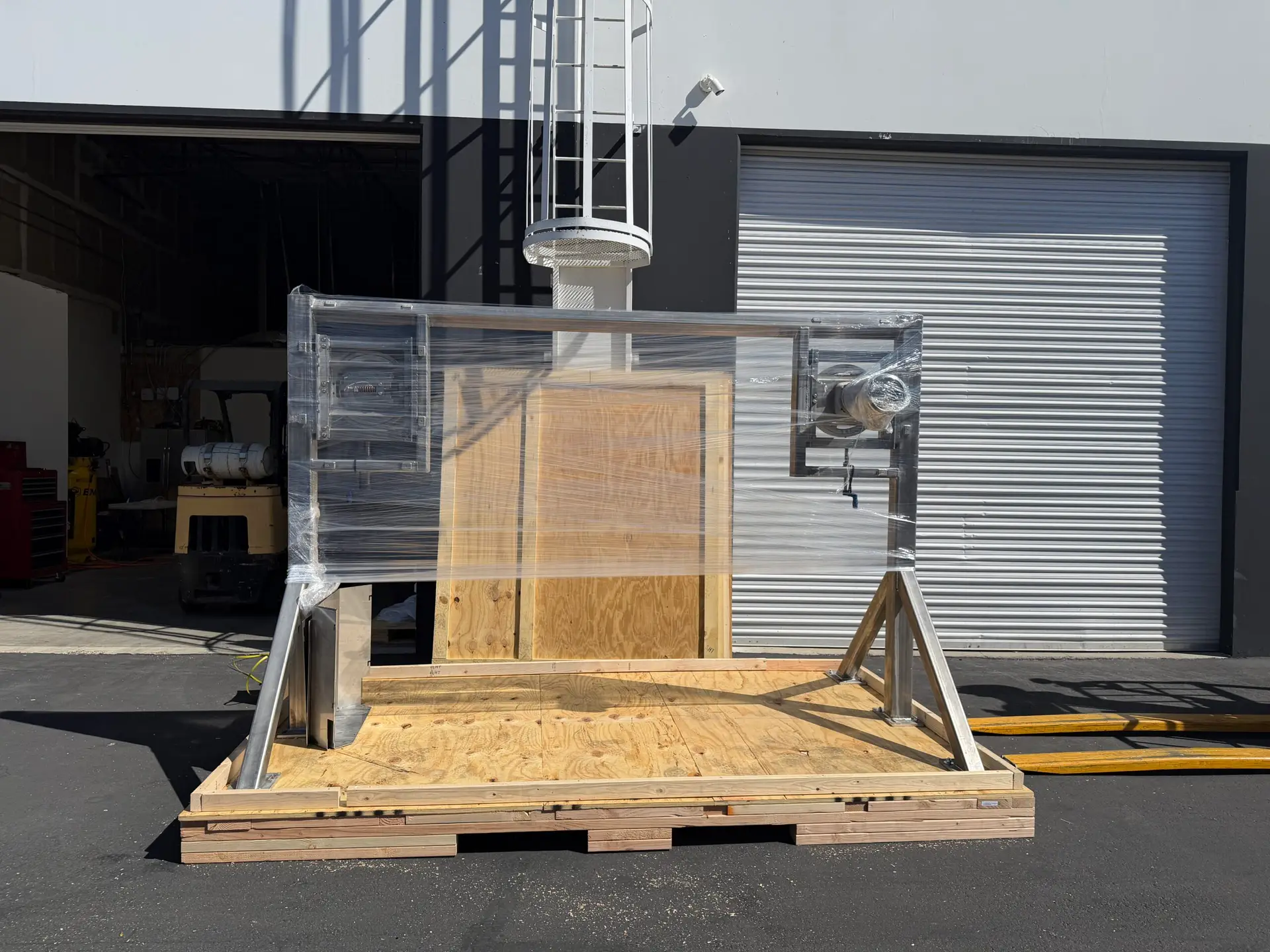
Packing efficiency comes from a process people can repeat. A custom crate can help by giving the item, its accessories and its restraints defined positions, with a clear sequence for opening and closing the package.
Speed still needs to follow safe preparation and handling. For a Las Vegas shipment, establish the item’s requirements and the responsibilities of the packing, carrier and receiving teams before trying to shorten the workflow.
Design the packing sequence along with the crate
Provide dimensions, weight and the item’s preparation instructions. Identify the components that need to be removed, secured or packed separately. Ask the provider to explain how the item enters the crate and how it will be removed later.
For repeated shipments, label interior positions and retain a diagram. A design that different staff can understand may reduce avoidable repacking, but the benefit depends on training and consistent use. Required cushioning should not be omitted simply to make packing faster.
Reduce unnecessary handling steps
Map the path from the item’s current location to the completed package and then to the vehicle. Discuss where work should take place and which movements need qualified personnel or equipment.
A fitted interior can address unwanted movement within the crate when its supports suit the load. It should not transfer pressure through delicate surfaces. Artwork may need specialist input, while electronics and machinery may have manufacturer requirements that take priority over a generic packing method.
Confirm durability and handling limits
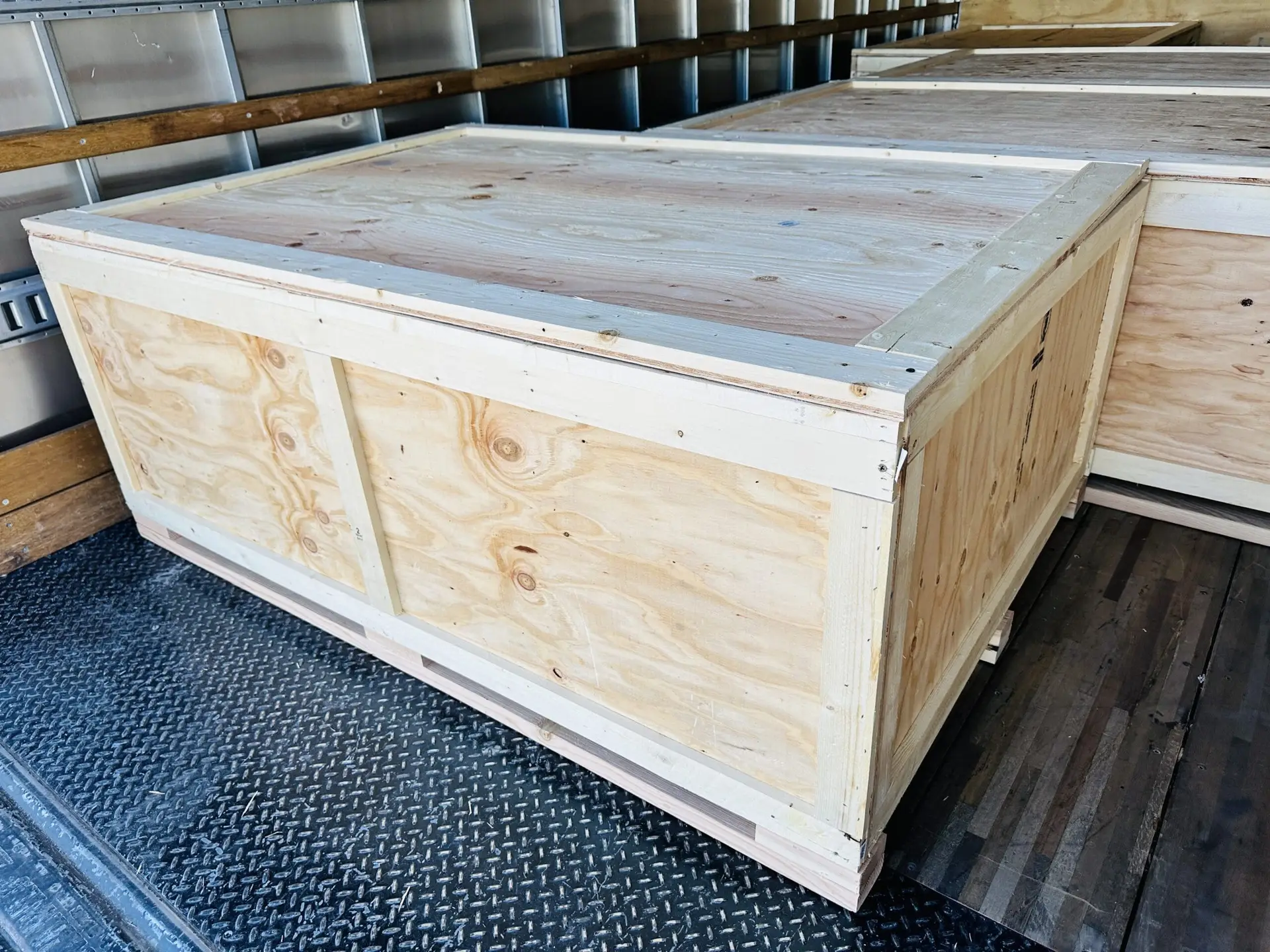
Ask what the base, framing and closures are designed to support and whether stacking is permitted under specified conditions. Shrink wrap does not substitute for structural restraint, and the presence of a palletized base does not establish that every forklift is suitable.
Give the carrier and recipient final packed dimensions and weight. Confirm access routes and unloading equipment before dispatch. Suitable standard packaging can also be effective; select the package based on the load rather than blanket claims about material strength.
Keep export checks in the schedule
If the shipment travels internationally, confirm destination requirements for regulated wood packaging early. Required ISPM 15 treatment and marking should be established before the crate is tendered to the carrier.
APHIS export guidance covers that part of the plan. Commodity paperwork, inspections and transport arrangements remain separate tasks. A compliant crate cannot promise a particular clearance time or remove every potential delay.
Use inspection to support repeatable packing
Reuse can make a familiar packing method available for the next shipment, provided the crate remains suitable. Assign responsibility for inspections and keep the packing record with the item’s logistics documents.
- Confirm the inventory and equipment preparation.
- Inspect the crate, supports and closures.
- Pack according to the documented arrangement.
- Record the condition before closing.
- Check labels and share receiving instructions.
- Inspect again before the next use.
Measure actual packing time and repair needs if efficiency is a business objective. That provides a better basis for improvements than assuming every custom crate automatically lowers labor costs.
PLAN YOUR CRATING
Discuss a repeatable crating workflow
Contact Crates of Las Vegas with your item list, route, handling constraints and expected shipment frequency. Ask the team to discuss a design and scope that fit the people and equipment involved in your packing process.
Discuss Your Crating ProjectMORE CRATING GUIDES