

LAS VEGAS · CRATING GUIDE
Custom Crates in Las Vegas From Design Brief to Delivery
A custom crate project is easier to manage when everyone understands the journey from the first measurements to unpacking. Businesses moving stage props, casino equipment, technology or unusual display pieces need a shared specification as much as they need a sturdy container.
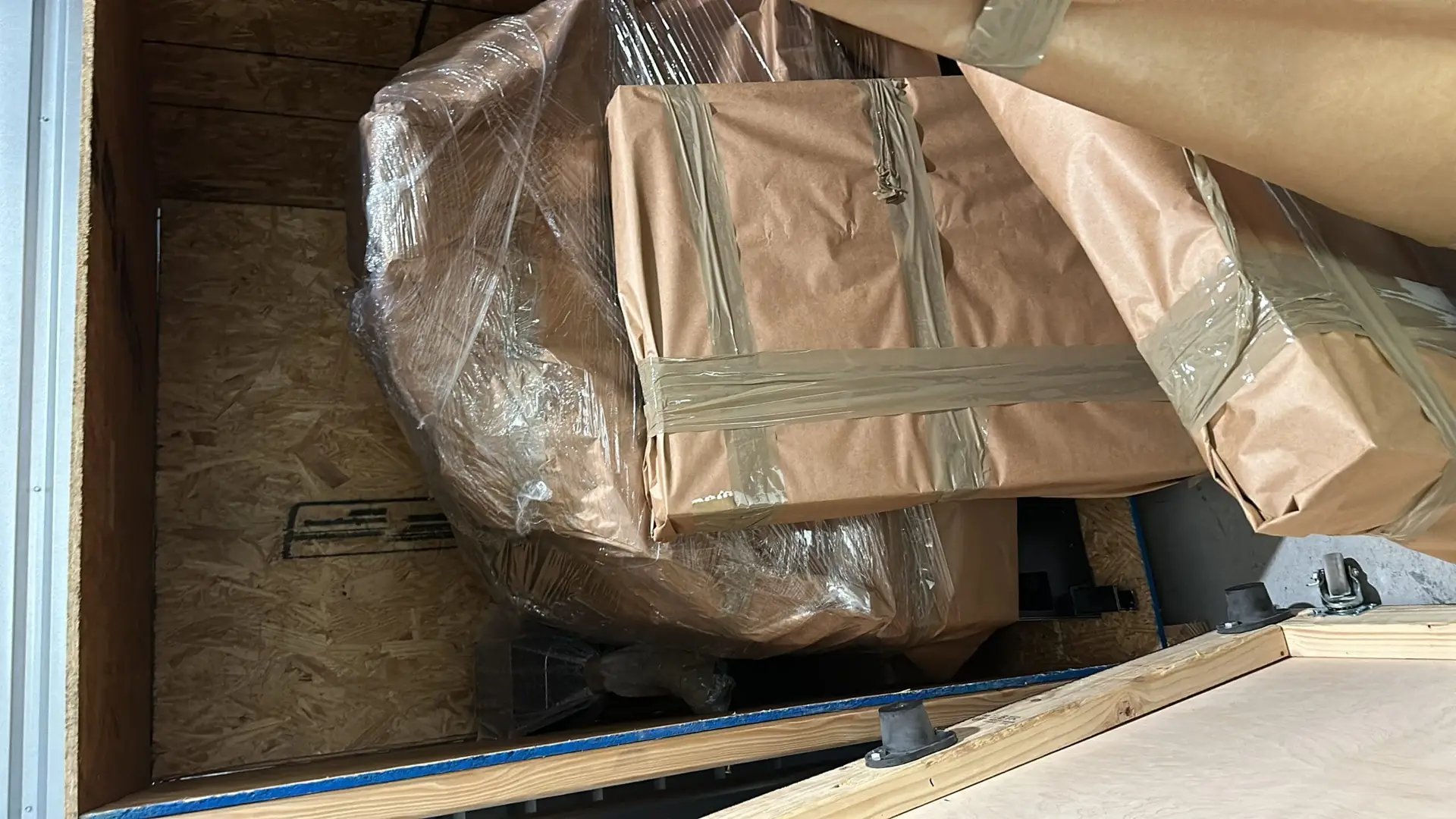
This guide follows that process and the decisions behind it. The aim is to turn a broad request for a custom crate into information that a builder, carrier and receiving team can use.
Translate the object into a design brief
Begin with photographs, dimensions and weight. Describe the item's shape, stable orientation and any fragile or removable parts. Include the owner's or manufacturer's instructions where applicable. If a dimension or weight is an estimate, label it as an estimate rather than presenting it as a measured value.
Ask the builder to distinguish the usable internal space from the finished outside size. A narrow doorway or loading restriction may affect the proposed package. Resolve those constraints while the design can still change.
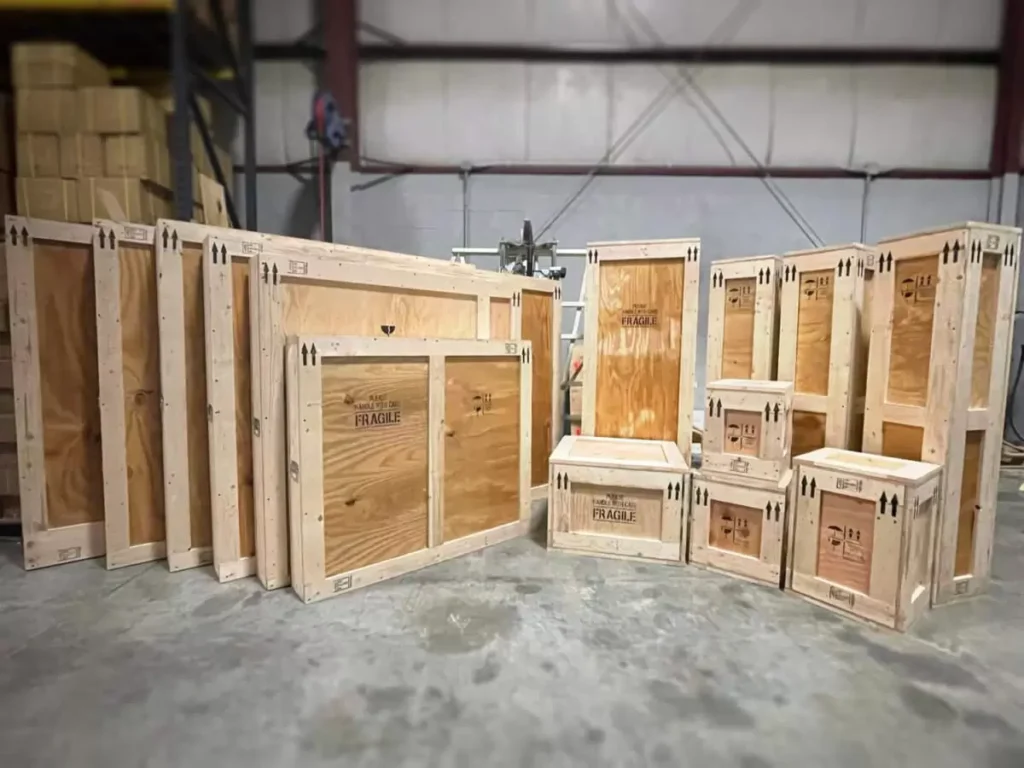
Explain how the crate will be used
The intended use can change the questions worth asking. A one-way move, a recurring exhibition and storage between performances have different opening and handling needs. Write down the expected sequence of activities rather than simply describing the item as fragile.
- Stage and show components: identify how the pieces are assembled and the order in which the crew needs them.
- Casino or other commercial equipment: supply the manufacturer's preparation and transport instructions.
- Technology equipment: account for accessories, sensitive connections and any product-specific packing requirements.
- Hospitality displays: describe delivery access and who will take responsibility after unloading.
Follow the route through Las Vegas and beyond
Map the handoffs from the packing location to the final room or installation area. Who collects the package? Where is it unloaded? Is the receiver expecting a crate or an unpacked item? These questions help uncover responsibilities that a construction drawing alone does not address.
For event deliveries, use the current organizer's instructions for scheduling and labeling. For an international shipment, ask the freight provider what destination requirements apply before commissioning the packaging. A local delivery plan should not be assumed to cover an overseas journey.
Review practical construction details
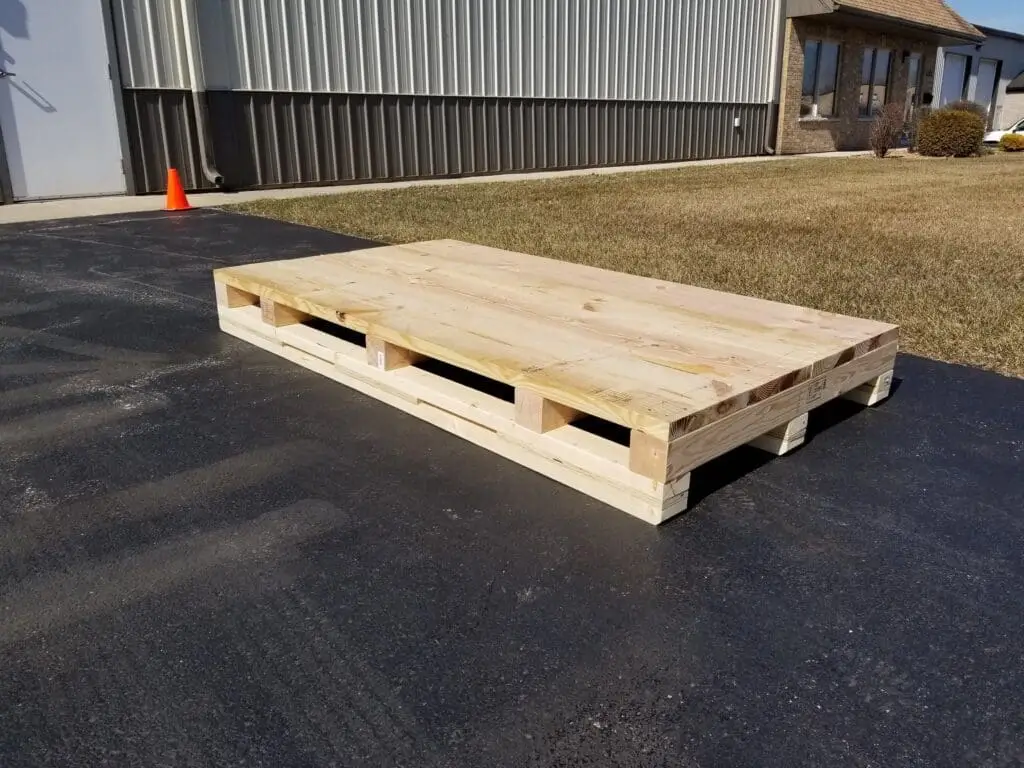
Ask which parts carry the load, where the item is supported and how the closure will be opened. Discuss the proposed interior materials in relation to the object's surfaces. Avoid choosing protection from appearance alone: a thick-looking panel or generous amount of padding is not a documented load rating.
Industry guidance such as FedEx's packing guide also addresses handling bases and access for freight equipment. Confirm the actual carrier's requirements for the finished shipment rather than adopting another service's dimensions as universal rules.
Document the handover
The original design intent should remain understandable after the crate leaves the workshop. Keep the agreed cargo list and packing arrangement with the project records. For a repeat-use crate, identify which panel opens and where removable supports belong.
- Review the item list and condition photographs before packing.
- Confirm the approved packing and opening arrangement.
- Record the finished package dimensions and weight.
- Check the destination details against the shipment booking.
- Give the receiver the information needed to inspect and unpack the delivery.

For illustration, a display that travels as separate panels needs a different handover from a single fully assembled prop. Treat such examples as planning scenarios; successful delivery depends on the actual object, design and handling arrangements.
PLAN YOUR CRATING
Start your custom crate project
Send Crates of Las Vegas the item details, intended journey and receiving constraints. If the crate will be reused, include the future handling plan. A clear brief supports a focused conversation about the packaging scope, practical options and quotation.
Discuss your crate projectMORE CRATING GUIDES




