

LAS VEGAS · CRATING GUIDE
ISPM 15 Crates: What Las Vegas Businesses Need to Check
ISPM 15 is an important part of export planning when the destination regulates the wood packaging used for the shipment. For a Las Vegas business, the first step is identifying the route and the materials in the complete package.
The standard addresses the movement of plant pests in wood packaging. It does not certify the crate's load capacity, the protection of its contents or the shipment's compliance with every customs rule.
Understand which packaging is covered
ISPM 15 concerns regulated wood packaging such as solid-wood crates, pallets and dunnage. Qualifying processed-wood materials have exclusions; a plywood panel does not automatically exempt the solid-wood base or framing around it.
Describe every wood component to the provider and have the destination requirements checked. Avoid assuming that all international routes have identical rules or that crossing a domestic state line creates an ISPM 15 requirement.
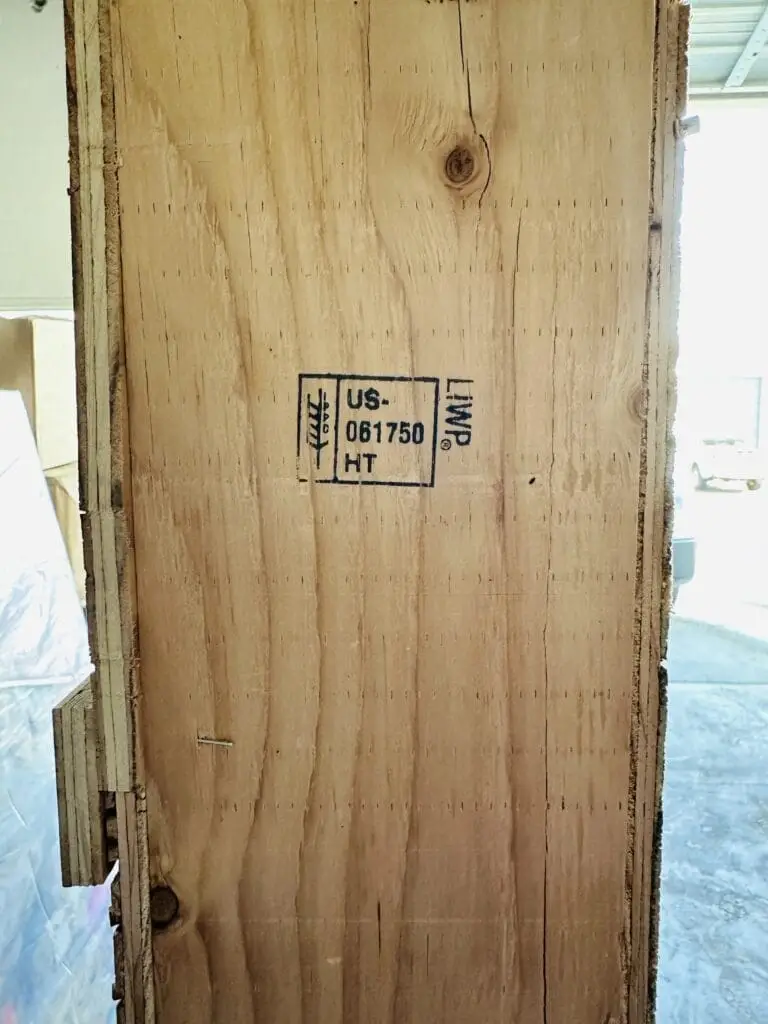
Know what treatment and marking establish
Compliant packaging requires the applicable approved treatment and authorized marking. A generic lumber label or a homemade stamp is not a substitute for the finished packaging's required status.
APHIS describes U.S. options for obtaining compliant wood packaging. Ask the supplier who is responsible for treatment and marking and how traceability is maintained.
These measures reduce the relevant pest risk. They do not make the crate sterile, weatherproof or permanently immune to infestation, nor do they guarantee border clearance.
Design cargo protection separately
An exhibit display, a machine and sensitive electronics still need item-specific structural support and interior packing. Provide reliable dimensions, weight, approved support locations and handling instructions.
Discuss cushioning, moisture sensitivity and access for lifting as separate requirements. A phytosanitary mark cannot tell the carrier whether a crate is stackable or tell the receiver how to unload it.
Evaluate a crating provider's proposal
- Confirm the shipment destination and the packaging components covered.
- Ask how authorized treatment and marking will be supplied.
- Review the design for the cargo's weight, shape and vulnerabilities.
- Clarify the available construction date and carrier handoff.
- Ask what happens if a repair or late design change is needed.
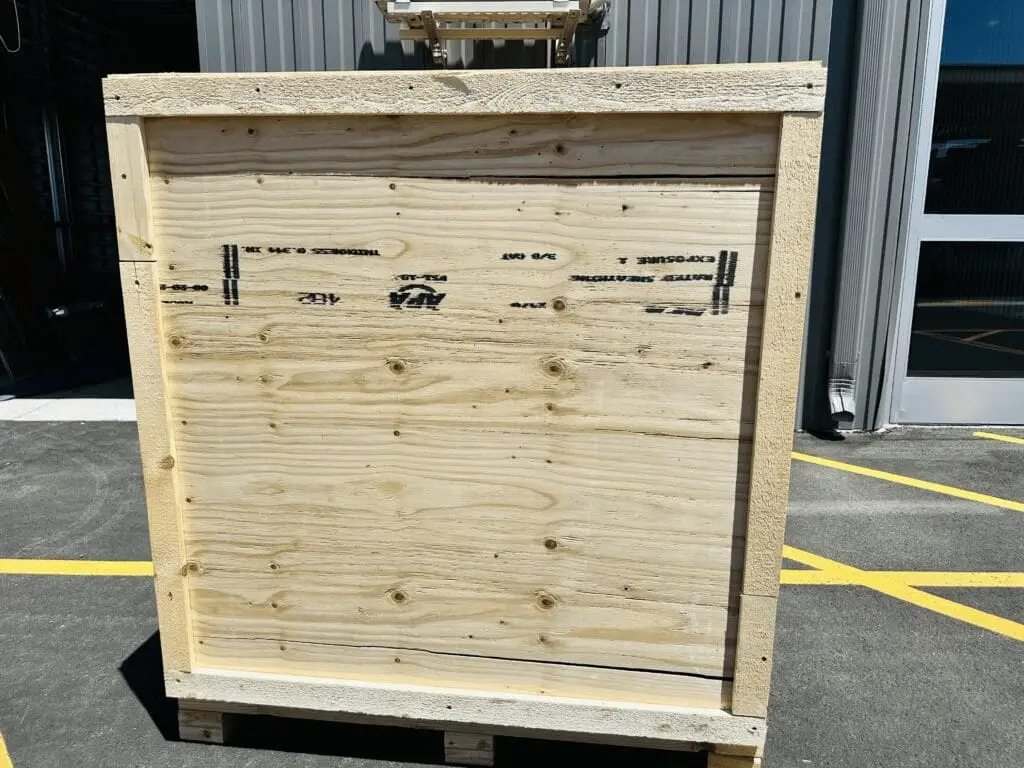
Choose a provider who can explain the relevant process and the physical packing scope. A broad claim of certification should not replace answers about the actual crate being supplied.
Plan reuse and future shipments responsibly
Keep a record of the finished package and inspect it before reuse. Ask an appropriate provider to assess replaced wood or modifications before a later export. Do not assume an old mark settles the status of a repaired crate.
Evaluate sustainable sourcing, reuse and end-of-life options separately. ISPM 15 is not an environmental sourcing certification. Check current requirements again when the destination, cargo or packaging changes rather than relying indefinitely on an earlier shipment.
PLAN YOUR CRATING
Prepare your export-crating inquiry
Discuss ISPM 15 heat-treatment options with Crates of Las Vegas. Include the destination, item details and pickup date so treatment, marking and physical protection can be addressed explicitly.
Discuss your crating projectMORE CRATING GUIDES




