
LAS VEGAS · CRATING GUIDE
How Wooden Crates Are Made: From Shipment Brief to Packing
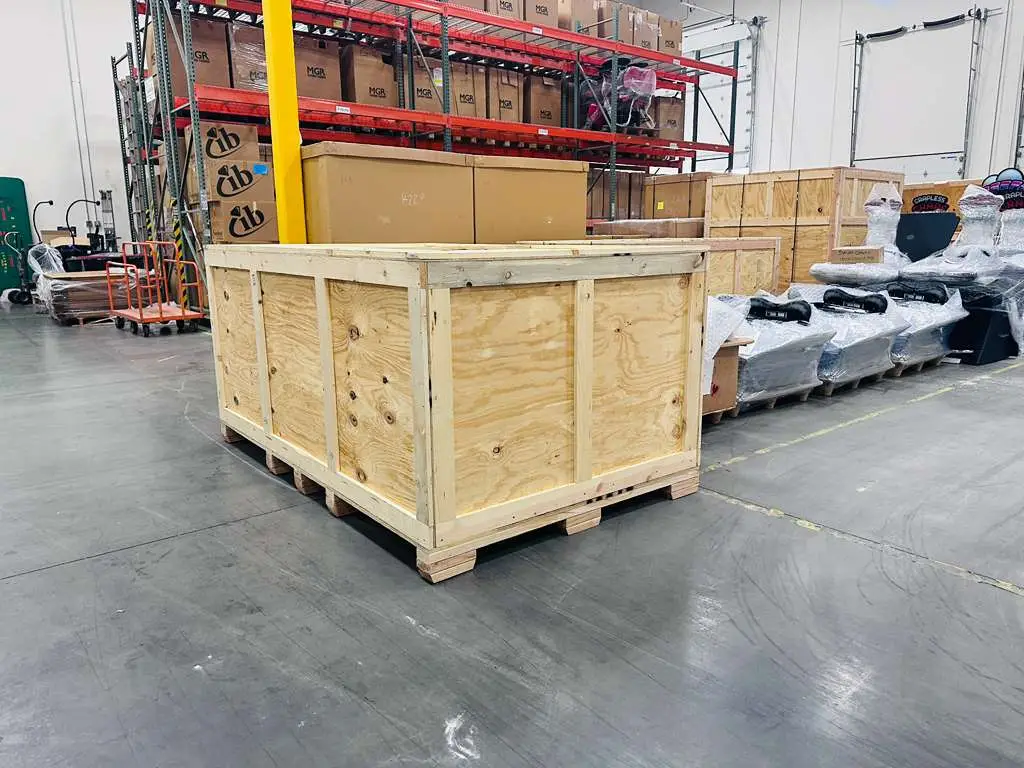
A wooden crate is built around several linked decisions: what it carries, where the load is supported, how it will be handled and what protection the journey requires. The materials matter, but so does the complete design.
Understanding the process helps a shipper provide useful information and review the finished package. This is a planning overview, not a set of structural dimensions or a DIY design for an unknown load.
Start with a complete shipment brief
Measure the item in the configuration that will travel. Record its weight, projections, detachable components and any areas that cannot tolerate contact. Include manufacturer instructions, condition information and photographs.
Tell the builder the route, loading equipment and destination access. A crate that fits the item still has to fit the intended handling and transport arrangements.
Select materials for their role in the design
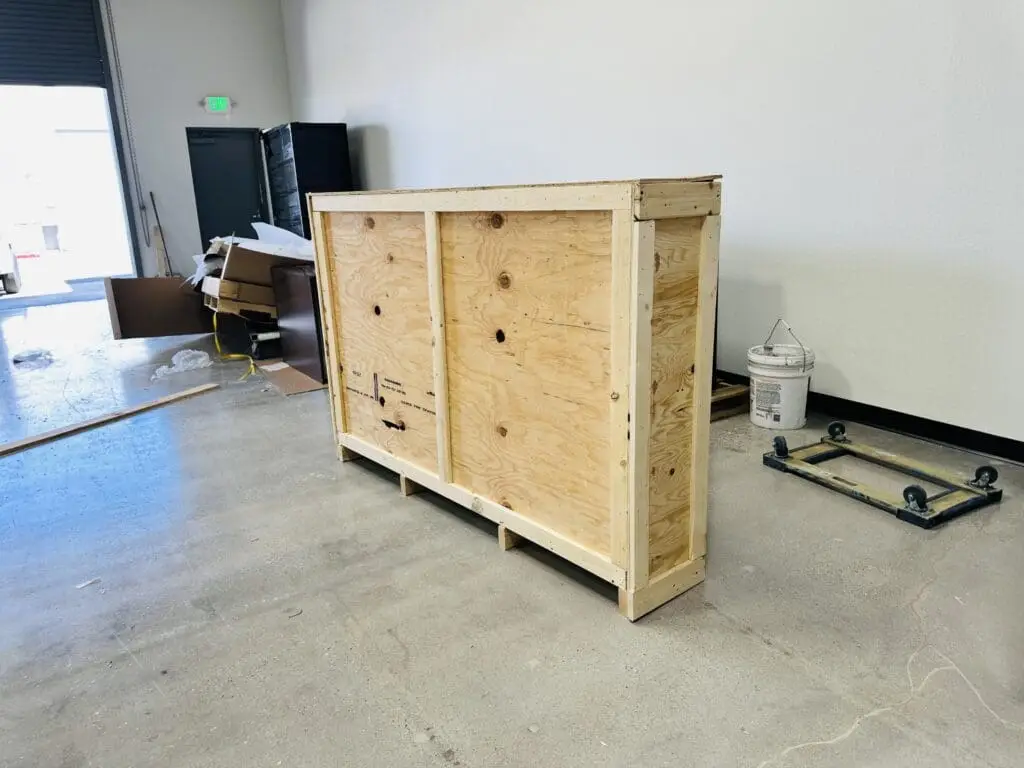
Crates may combine lumber framing, wood-based panels and a structural base. The grade, dimensions, connections and arrangement matter alongside the species or panel type.
Pine, plywood or a hardwood name alone cannot establish the finished crate's capacity. The builder should select materials for the actual load and service conditions, rather than applying a simple rule that heavier goods always need one particular species.
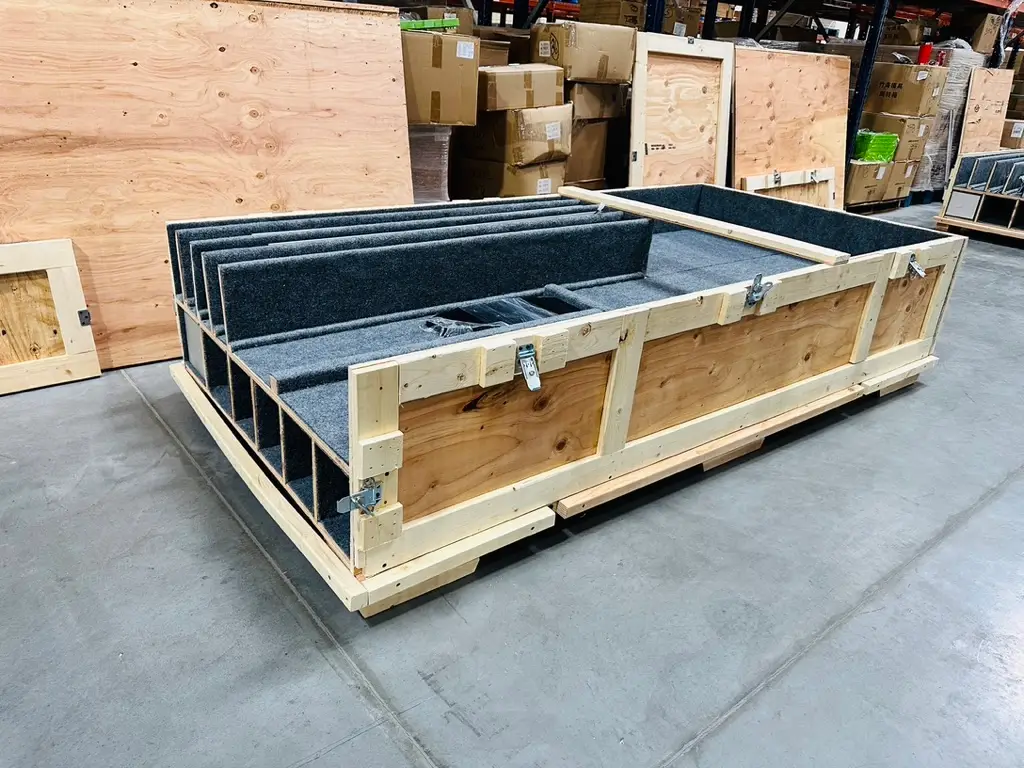
Interior materials have a separate purpose. Supports carry load, cushioning addresses defined movement or shock needs, and compatible interfaces protect surfaces. Specialized art or equipment may need expert input on those choices.
Build around the support and opening plan
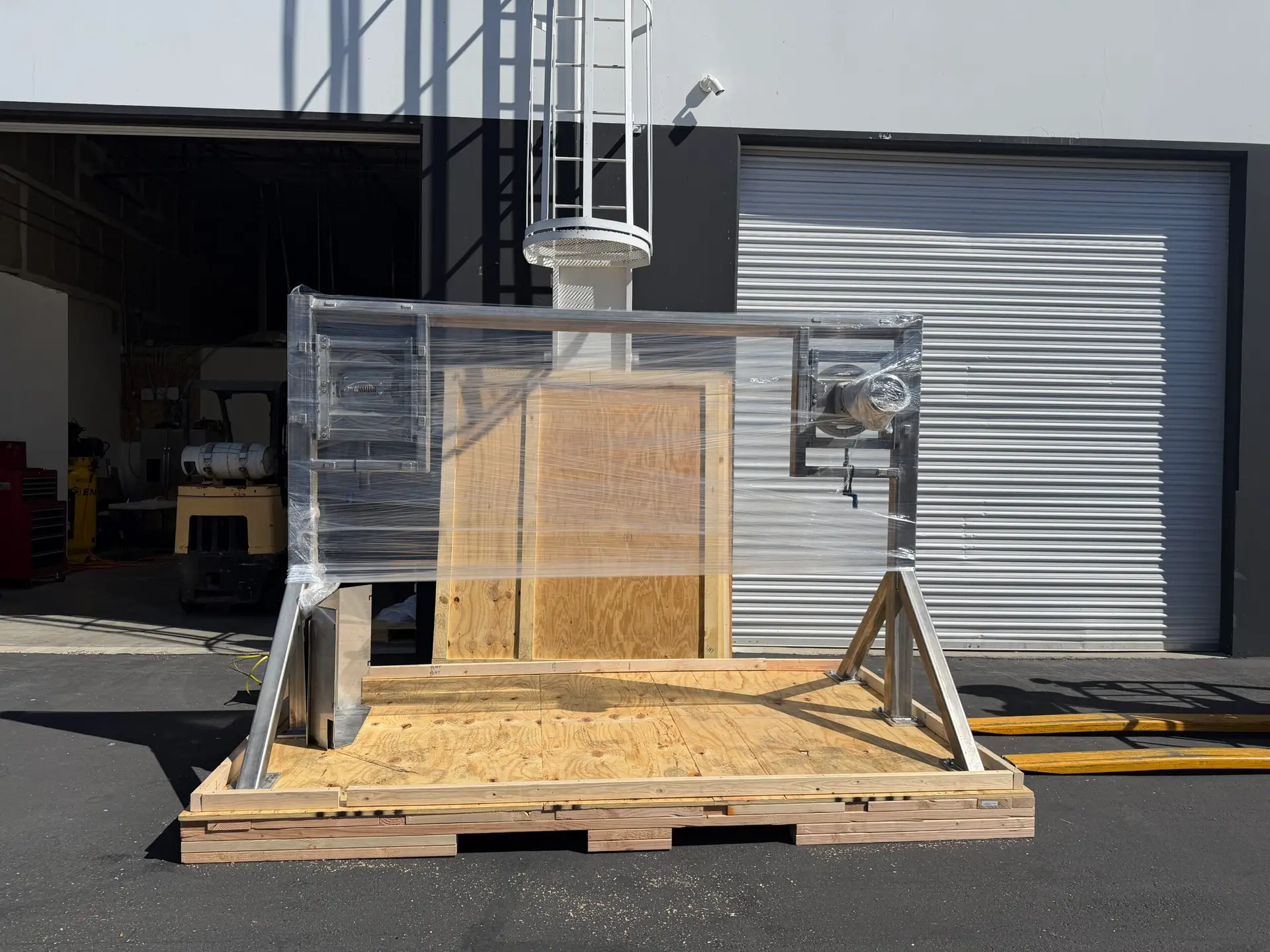
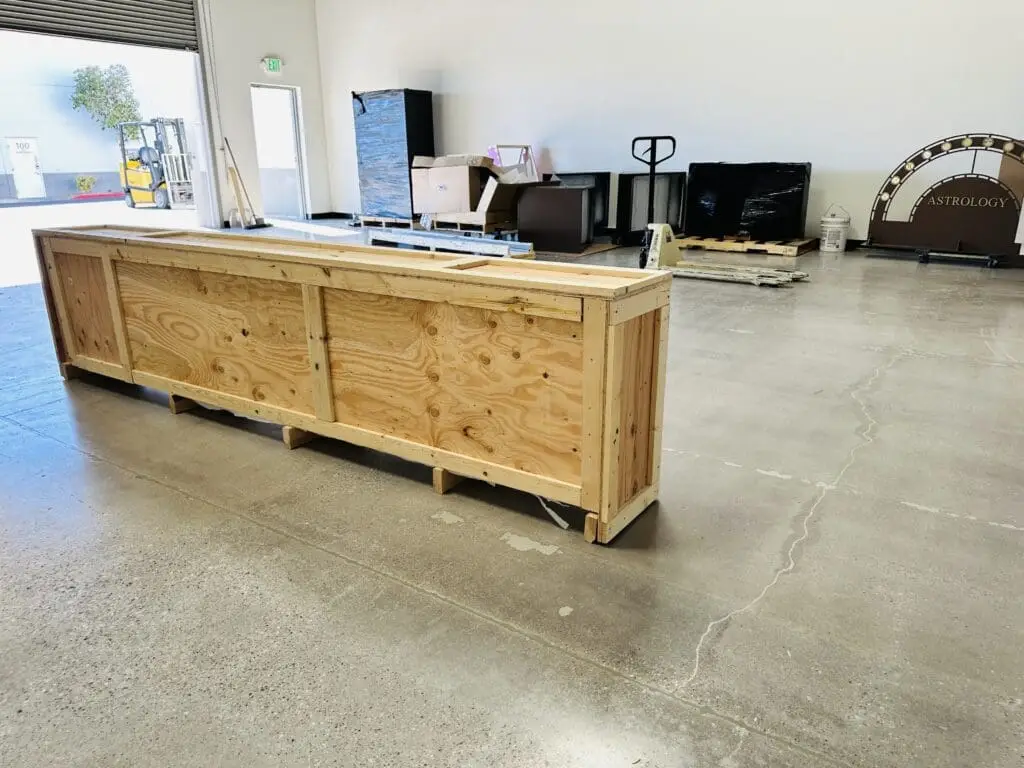
- Establish the base. Confirm how the cargo's weight transfers into the crate and handling equipment.
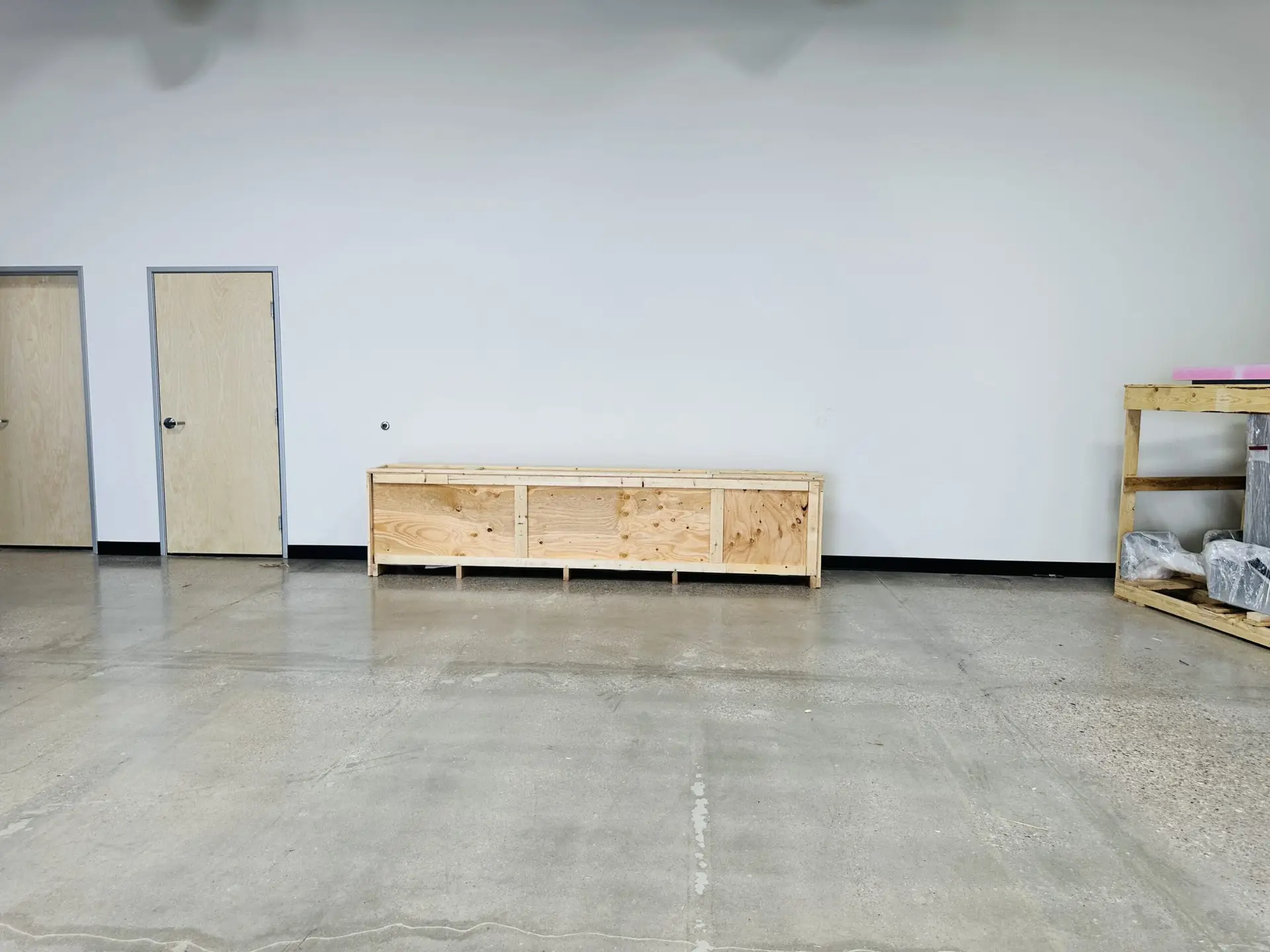
- Plan the enclosure. Allow room for the packing system and safe access.
- Construct the frame and panels. Follow the reviewed design and connection requirements.
- Fit the interior. Install the specified supports, dividers and protective materials.
- Pack and check. Verify the load arrangement, closures, labels and opening instructions.
Any stacking capacity or tested performance should be established explicitly. A thick wall or closely fitting enclosure is not enough to demonstrate it.
Adapt the packing for sensitive items
Artwork may require non-contact protection around paint or fragile decoration. Electronics can have manufacturer-specific packing requirements. Medical equipment may need technical preparation before transport and inspection or commissioning afterward.
A wooden structure alone does not absorb every damaging shock or maintain a temperature range. Ask which hazards the proposed packing addresses and whether the route needs additional controls.
Complete the applicable export checks
For a route requiring ISPM 15-compliant regulated wood packaging, arrange the appropriate treatment and authorized marking. Check the complete package, including the base and dunnage, rather than assuming plywood panels settle the question.
The standard concerns plant-pest risk. Cargo documents, carrier acceptance and product-specific requirements remain separate. Confirm the finished crate's external dimensions and gross weight for the transport booking.
PLAN YOUR CRATING
Prepare a crate-building request
Ask Crates of Las Vegas about custom wooden crate construction with the load details and journey in hand. A complete brief makes it easier to review the materials, support arrangement and final packing scope.
Discuss your crating projectMORE CRATING GUIDES