

LAS VEGAS · CRATING GUIDE
How to Pick the Right Shipping Crate
Picking a shipping crate starts with understanding what the item needs to withstand. A machine with an off-center load, a painted sculpture and a calibrated instrument may all fit inside a similar-size box, but they need different support and packing.
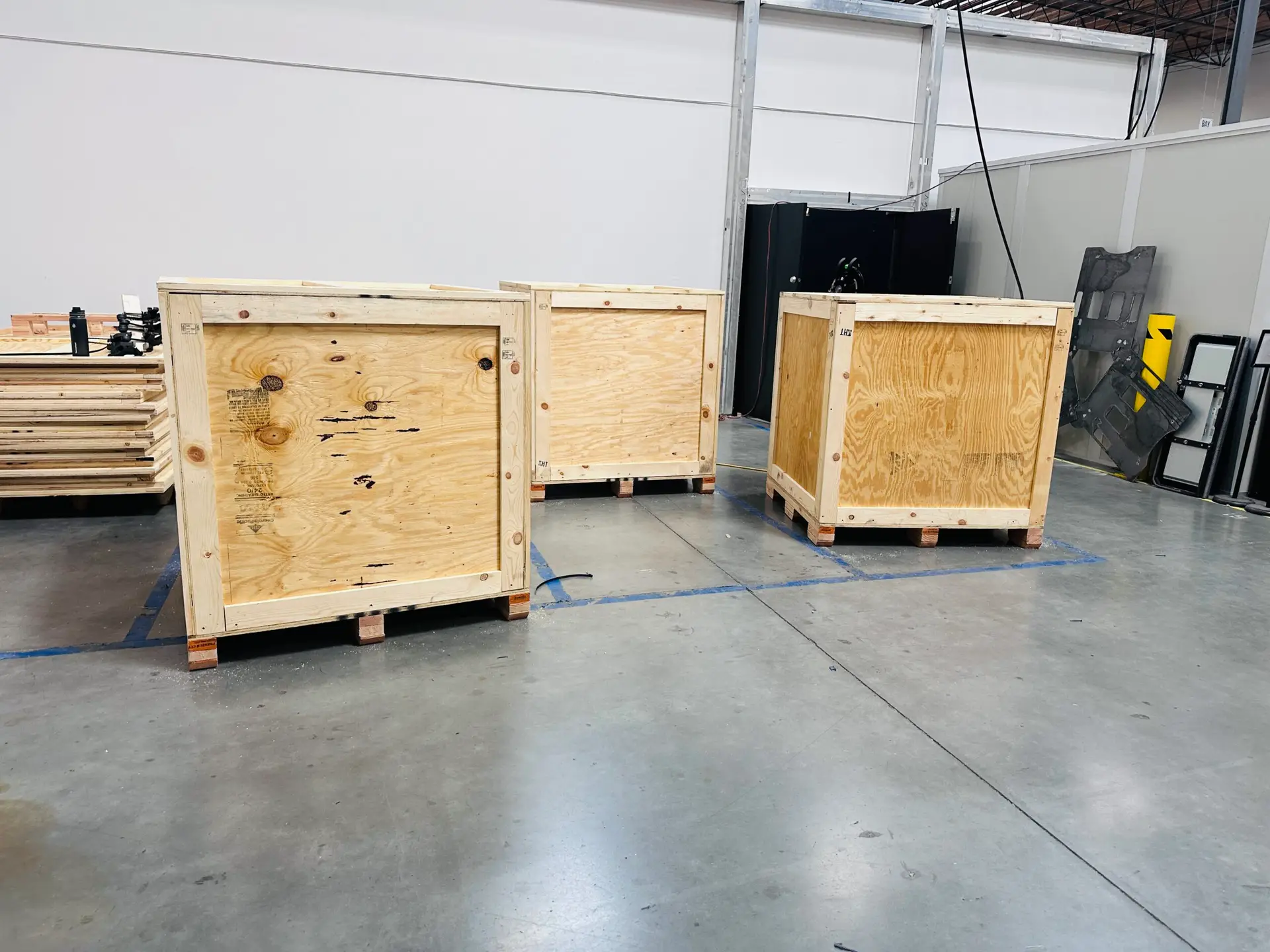
Use the following checks to turn a general request for a crate into a useful specification. The aim is to match the item, route and handling plan before construction begins.
Check fit, weight and support points
Record the item’s dimensions, weight and shipping orientation. Include projections, accessories and any components that will be removed for transport. Separate confirmed measurements from estimates so the builder knows what still needs checking.
A custom crate needs enough space for the intended supports and cushioning. Too much unplanned space can allow movement; too little can put pressure on fragile parts or prevent the packing from working properly.
Identify the areas that can carry the load and the areas that must remain clear. For heavy or irregular equipment, supply manufacturer-approved lifting and securing information and any known center-of-gravity details. Do not assume handles or exterior panels can support the item’s full weight.
Review the base, frame and handling plan
Ask the builder how the load will be supported through the base and how the finished package will be moved. The design must suit the equipment and access available at pickup, transfer points and delivery.
Confirm these details before ordering:
- Finished outside dimensions and total packed weight
- Forklift or other approved handling access
- Any lifting, orientation or stacking restrictions
- Required clearance through doors, corridors and loading areas
- Who is responsible for specialist rigging or unloading
A reinforced frame can address defined loads. It should not be treated as permission to stack other freight on top unless the design and carrier arrangements allow it.
Match interior protection to fragility
Blocking and bracing help restrain an item at suitable structural points. Cushioning helps manage shock and vibration when its material and arrangement are matched to the load. A package may need both.
Electronics, laboratory instruments and medical equipment should be prepared according to their manufacturer’s transport instructions. Ask about transport locks, delicate assemblies, static-sensitive parts and any checks needed on arrival.
For art, antiques and finished surfaces, identify safe contact areas and appropriate wrapping or interleaving materials. Ordinary foam or felt should not be assumed suitable for every surface. The Canadian Conservation Institute’s shipment guidance emphasizes assessing the object and journey before choosing protection.
Consider the full route and environment
Tell the provider whether the crate will travel by road, air or sea, and whether storage is expected. Include the receiving conditions and the planned time in transit.
A wooden crate does not automatically control temperature or humidity. Discuss barriers, desiccants, compatible corrosion protection or a temperature-controlled service when the item and journey require them. Exterior shrink wrapping is a separate protective measure, with limitations that should be reviewed for the shipment.
For international transport, check the destination’s wood-packaging rules. APHIS provides export guidance; appropriate treatment and authorized marking must be addressed where required.
Avoid common sourcing mistakes
Comparing only the outside box
Two similarly sized crates can have different bases, interior supports and access hardware. Compare the complete packing scope and intended use.
Choosing only by the lowest initial price
Check what the quote includes: measurement, packing, onsite work, loading, delivery and any return-use features. Ask the provider to identify exclusions and assumptions.
Assuming custom means unlimited protection
Ask which risks the design addresses and what still depends on the carrier, equipment preparation or storage conditions. No crate can prevent every possible transport incident.
Forgetting the next trip
If you expect to reuse the crate, request suitable opening hardware and a repeatable packing layout. Allow for inspection and repair between trips.
Prepare before the crate is built
Have a qualified person prepare equipment as its manufacturer and transport requirements specify. Inventory loose components, label accessories and document the item’s condition. Give the packer written instructions about fragile or no-contact areas.
Agree who will receive the shipment and how they will open it. Useful packing photos and an opening sequence can prevent problems during unpacking or a later return shipment.
Shipping-crate questions
Can I use a standard crate?
Yes, when its capacity, dimensions and interior protection meet the item’s needs. Ask for a comparison if a suitable standard option exists.
Will adding more foam solve vibration concerns?
Not necessarily. The cushioning system must be matched to the load and sensitivity. Follow specialist or manufacturer guidance for critical equipment.
What should I send with a quote request?
Send dimensions, weight, photos, route, destination access and required shipping date, plus any handling instructions.
PLAN YOUR CRATING
Get help specifying your crate
Review custom crate options from Crates of Las Vegas and share your item’s details. Confirm the proposed protection, handling arrangements and scope before approving the build.
Request a Crating QuoteMORE CRATING GUIDES



