LAS VEGAS · CRATING GUIDE
How Custom Crating Can Reduce Shipping Costs
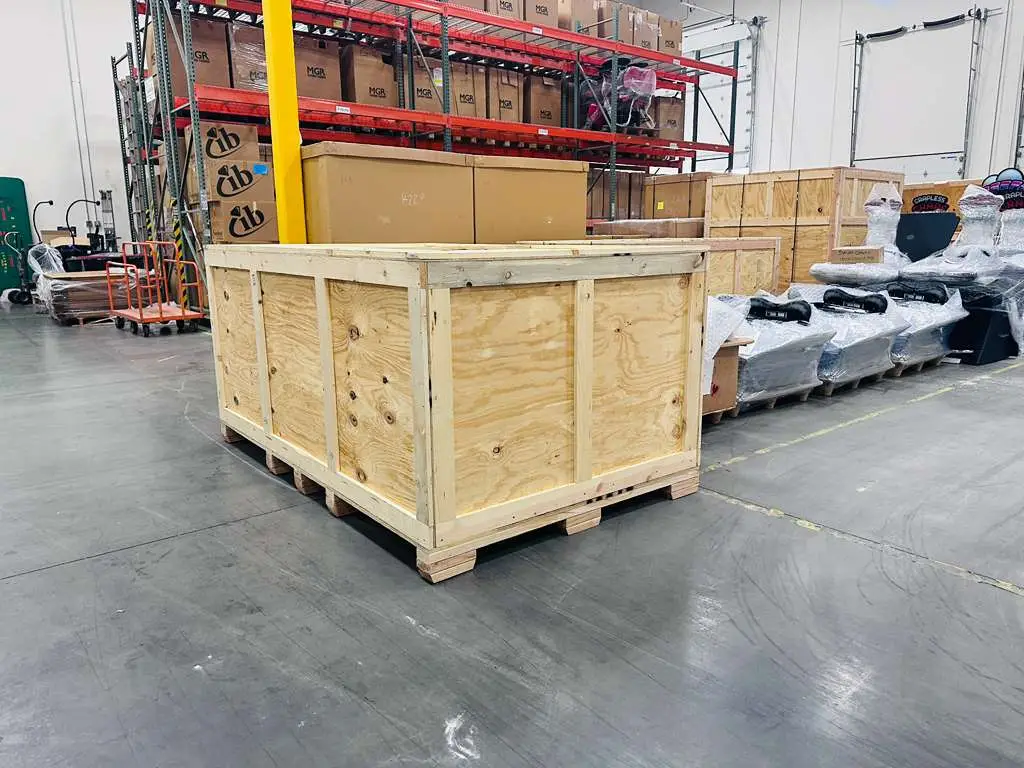
Custom crating can improve shipping efficiency when a standard package is too large, poorly supported or difficult to handle. The useful question is whether the complete shipping plan costs less for the protection required. A smaller crate or a lower materials bill is only part of that comparison.
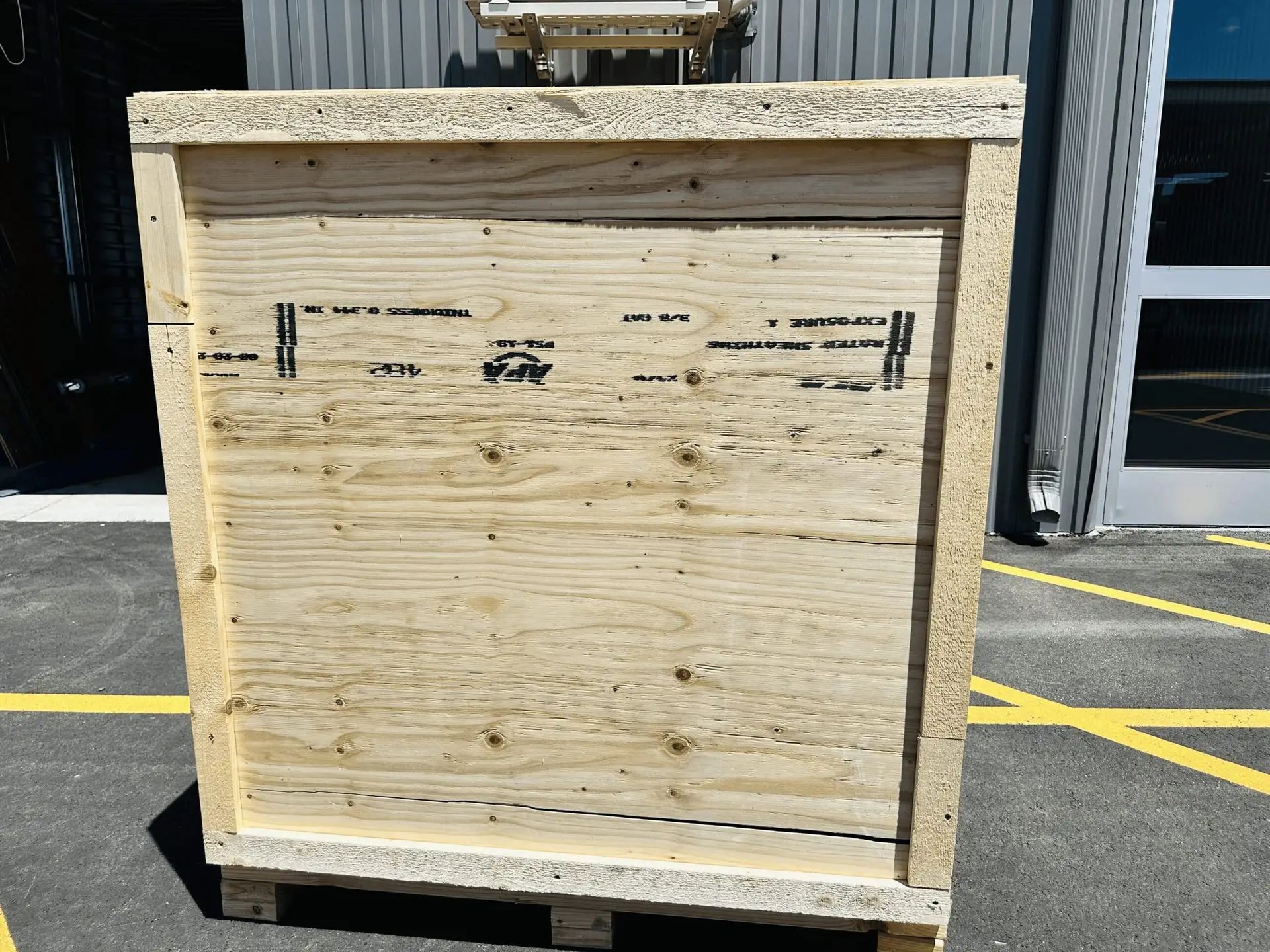
Look at packaging, freight, handling and the consequences of damage together. The right choice depends on the item, route, carrier and whether the crate will be used again.
Understand which dimensions affect the quote
Measure the finished crate, including its base and projecting features. Carrier pricing can depend on both weight and space. For example, FedEx explains dimensional-weight pricing as a comparison of actual and dimensional weight for applicable shipments.
Do not apply one parcel formula to every freight service. Ask the carrier how it will rate the specific shipment and whether dimensions, density, non-stackability or special handling affect the quote. Compare completed package specifications rather than the item's unpacked measurements.
Include damage-related costs in the decision
A cheaper package may become expensive if the item needs repair, replacement or another journey. For a business, the impact can also include missed installation time, return handling and staff hours spent resolving the problem.
Custom supports and cushioning can address identifiable risks, such as movement inside the crate or contact with a fragile finish. They do not eliminate every transport hazard. Review the packaging plan alongside the item's value, repair options and any carrier or insurer conditions.
Use materials efficiently without underpacking
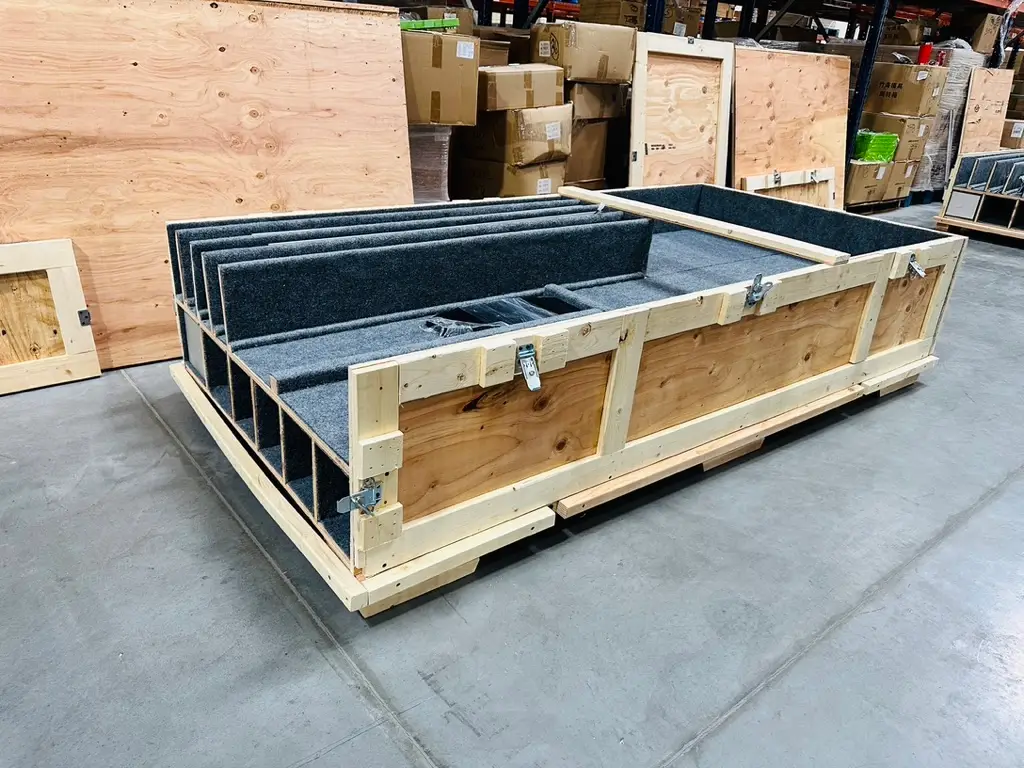
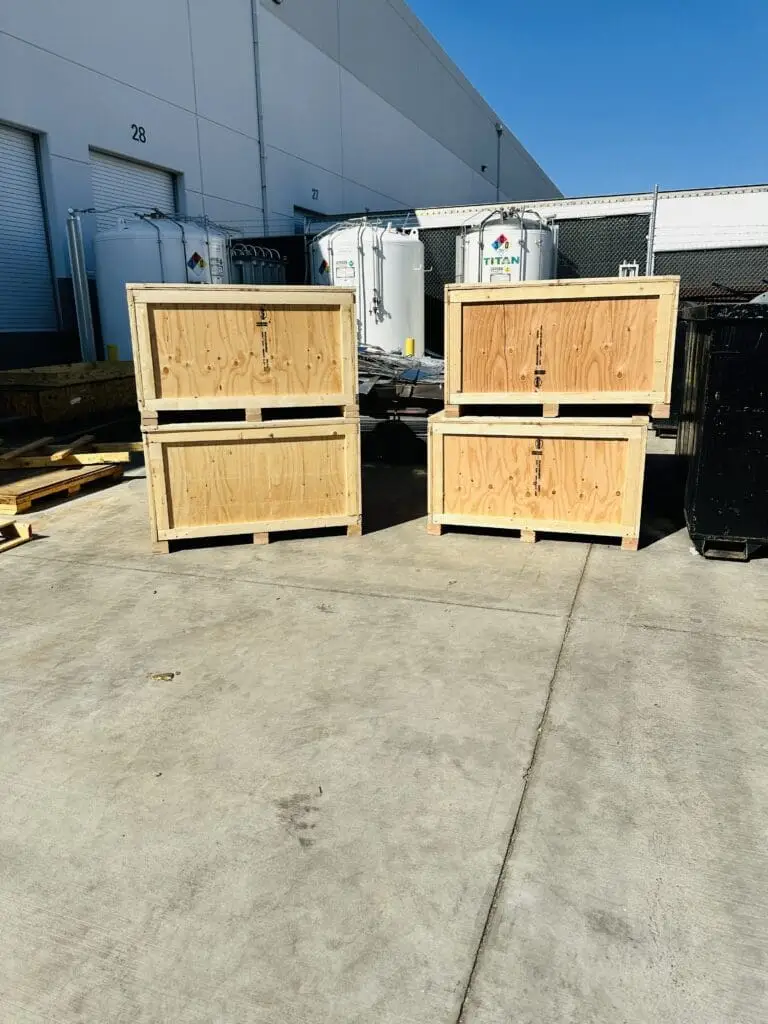
Tailoring a crate can reduce unneeded empty space and loose filler. However, protective clearance, cushioning thickness and a suitable base remain part of the design. An item should not be pressed against a rigid wall simply to make the package smaller.
- Ask what each material does: surface protection, cushioning, restraint or structural support.
- Separate essential protection from avoidable excess volume.
- Consider a reusable design when the same item will travel repeatedly.
- Include storage, return transport and repair costs when comparing reuse.
Plan loading, delivery and storage
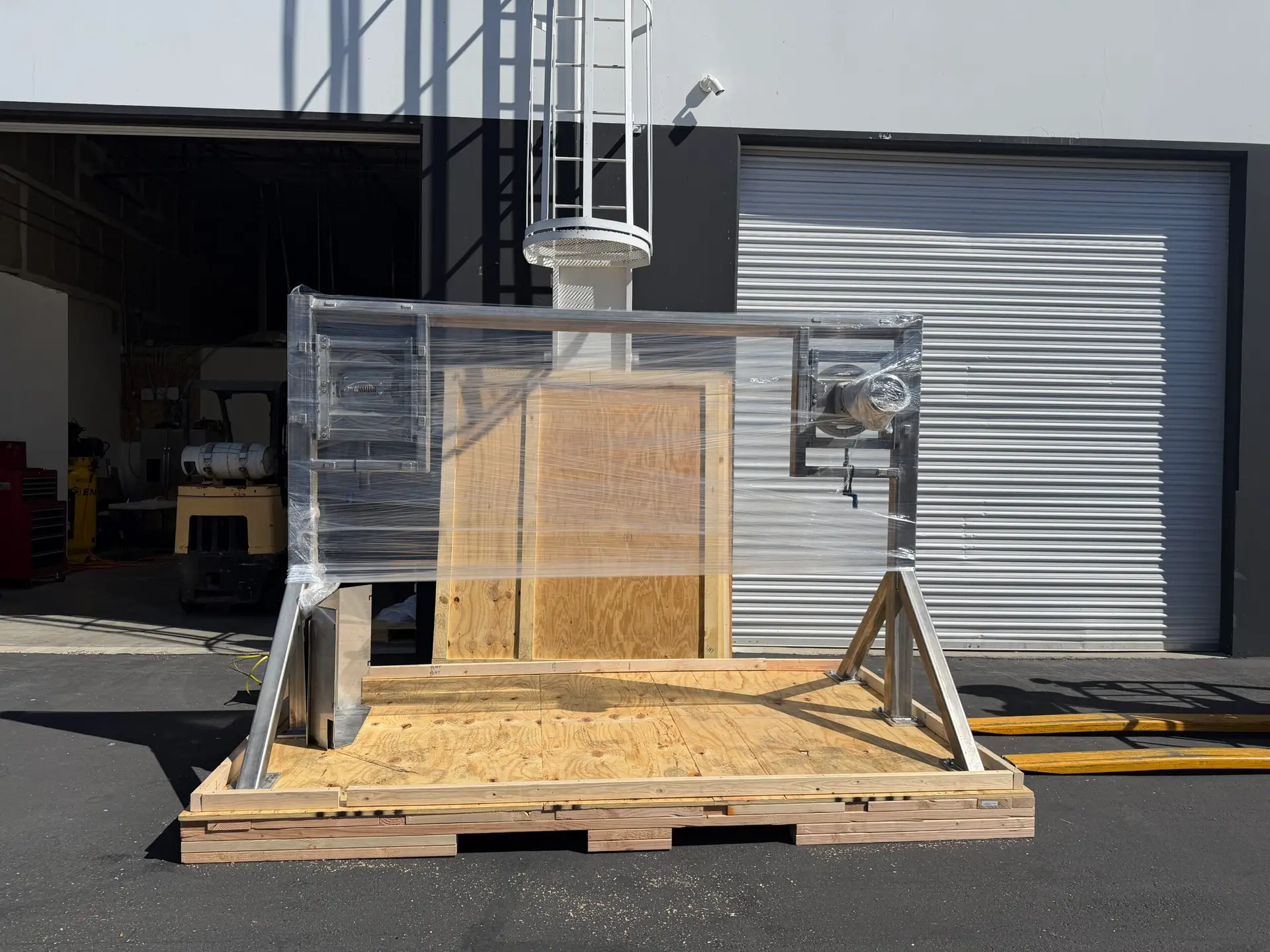
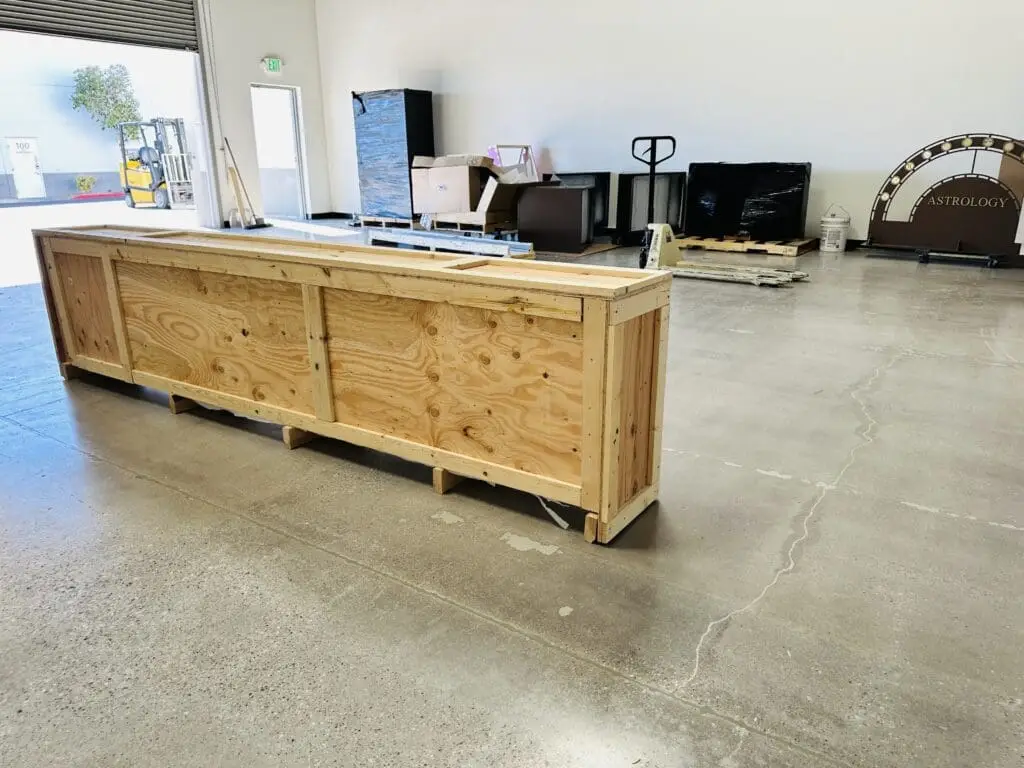
Packaging decisions influence how the shipment can be handled. Confirm forklift access, pickup equipment and the receiver's unloading arrangements. A crate that cannot pass through the destination doorway may require an expensive change after arrival.
Ask the carrier about appointments, liftgate service, residential or limited-access delivery and other services relevant to the route. Do not assume a crate is stackable, or that crating automatically removes additional handling charges.
Check requirements before fabrication
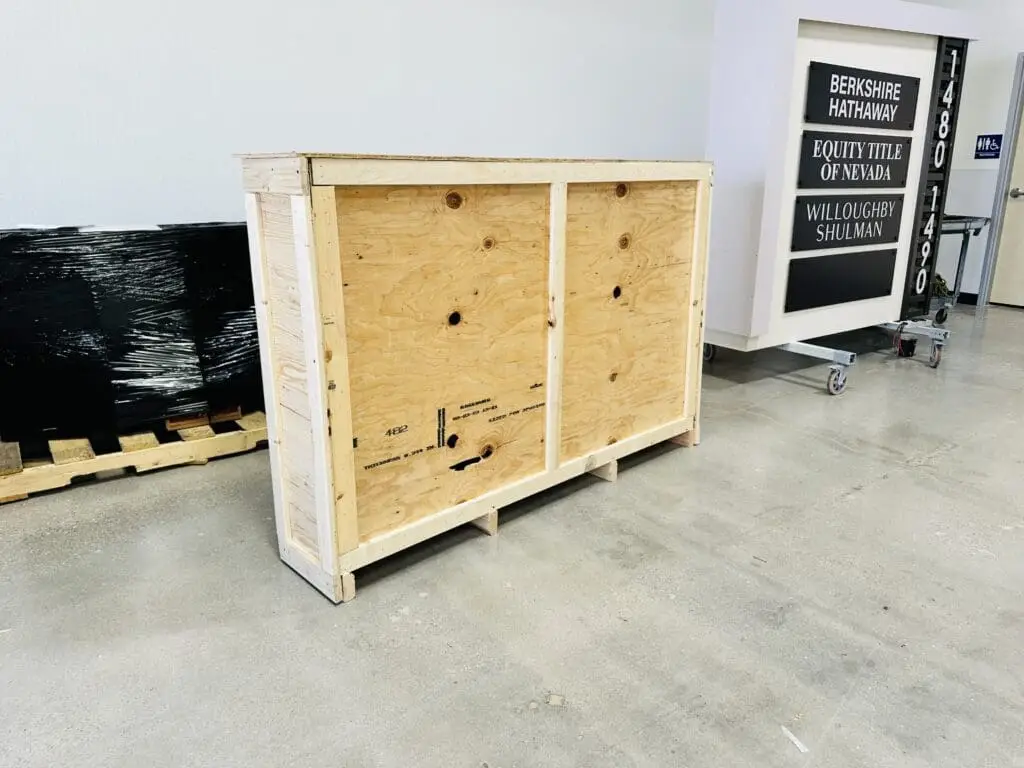
Late changes can mean repacking or rebuilding. Share the destination, transport mode and carrier requirements before the crate is made. For international shipping, verify whether the wood packaging requires treatment and an authorized mark under the destination's ISPM 15 rules. APHIS provides export guidance.
A compliant package still needs appropriate cargo documentation and an accepted freight booking. Keeping those tasks coordinated can help avoid preventable rework, without guaranteeing clearance or delivery timing.
PLAN YOUR CRATING
Request a comparable crating quote
Send Crates of Las Vegas the item's dimensions, weight, photos, destination and handling details. Ask for a clear scope covering the crate, internal packing and any additional services so you can compare the total shipment cost.
Discuss your crating projectMORE CRATING GUIDES