
LAS VEGAS · CRATING GUIDE
How Packaging Services Streamline Shipping Logistics
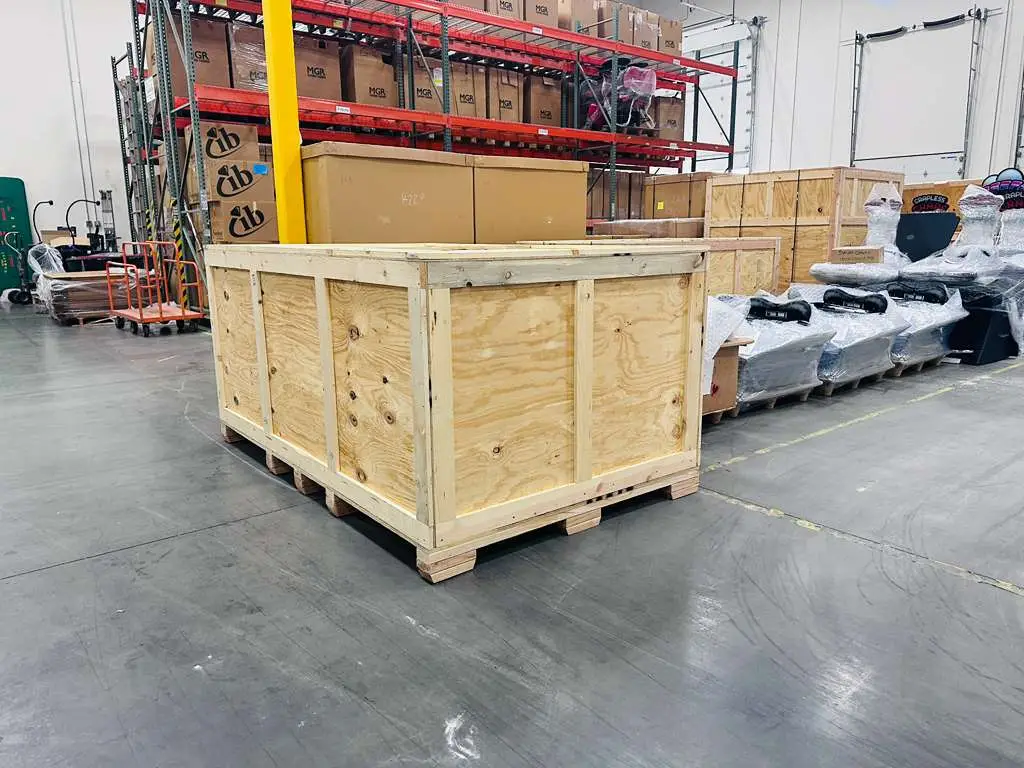
Packaging decisions affect what happens at pickup, in transit and at delivery. A crate that fits the item but cannot be handled at the receiving dock is still a logistics problem. Bringing packing and transport planning together helps identify those constraints earlier.
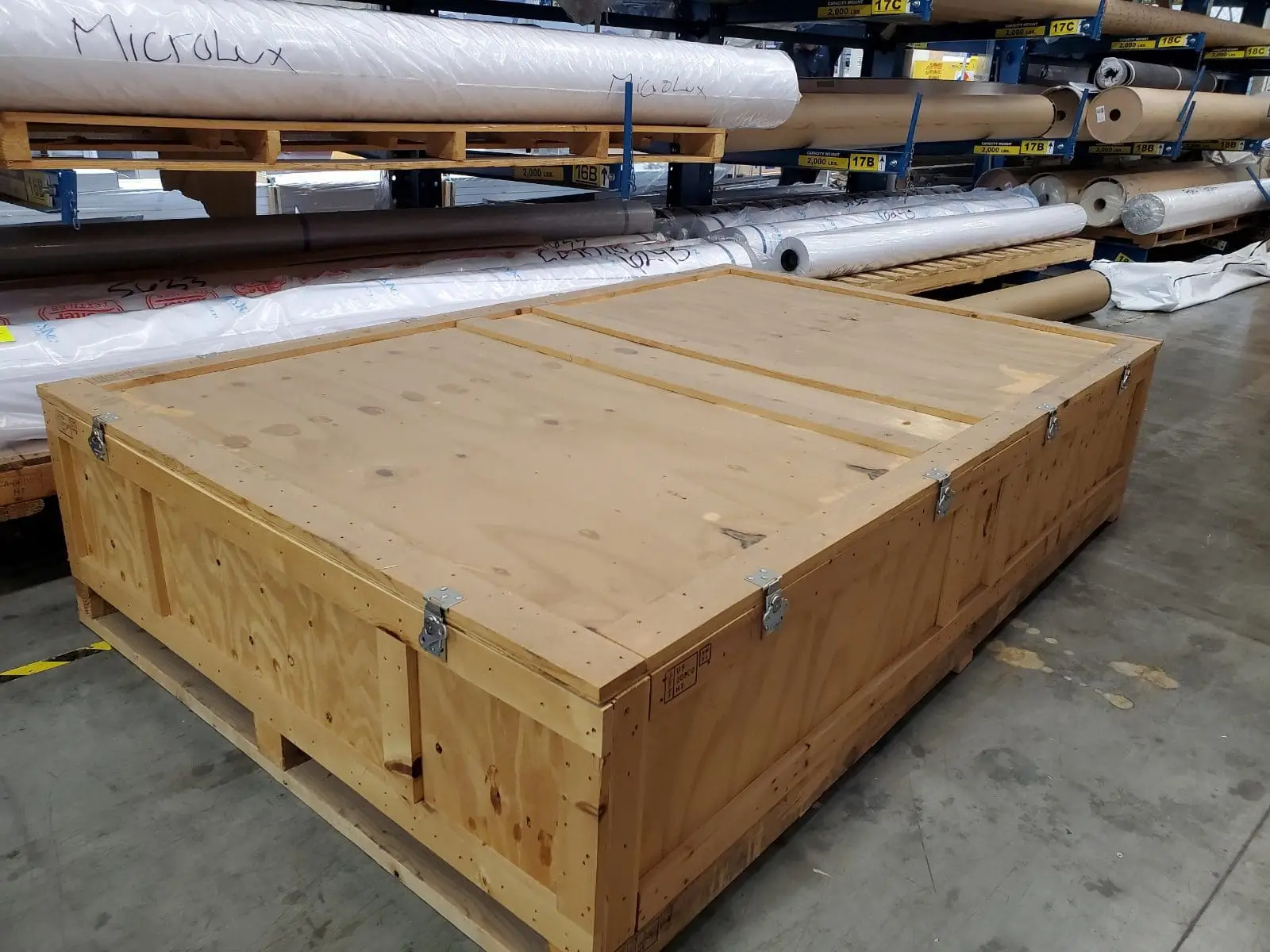
The practical benefit is a clearer handoff: the right item in an agreed package, with reliable dimensions, usable labels and a receiver who knows what to expect.
Design around the full movement
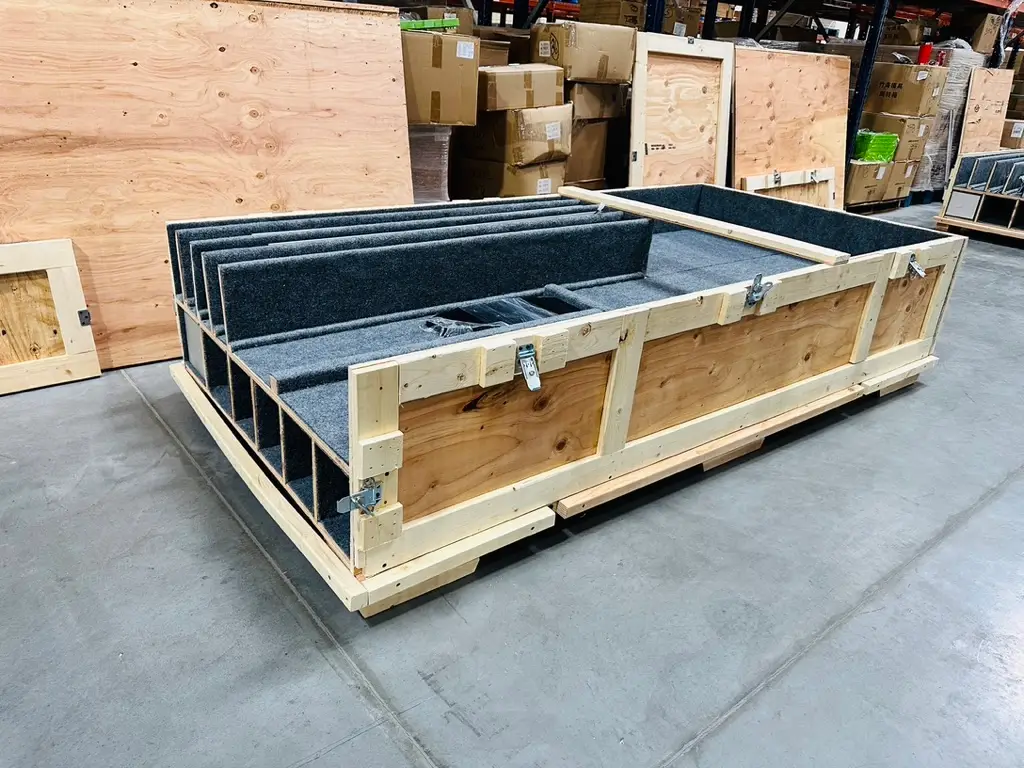
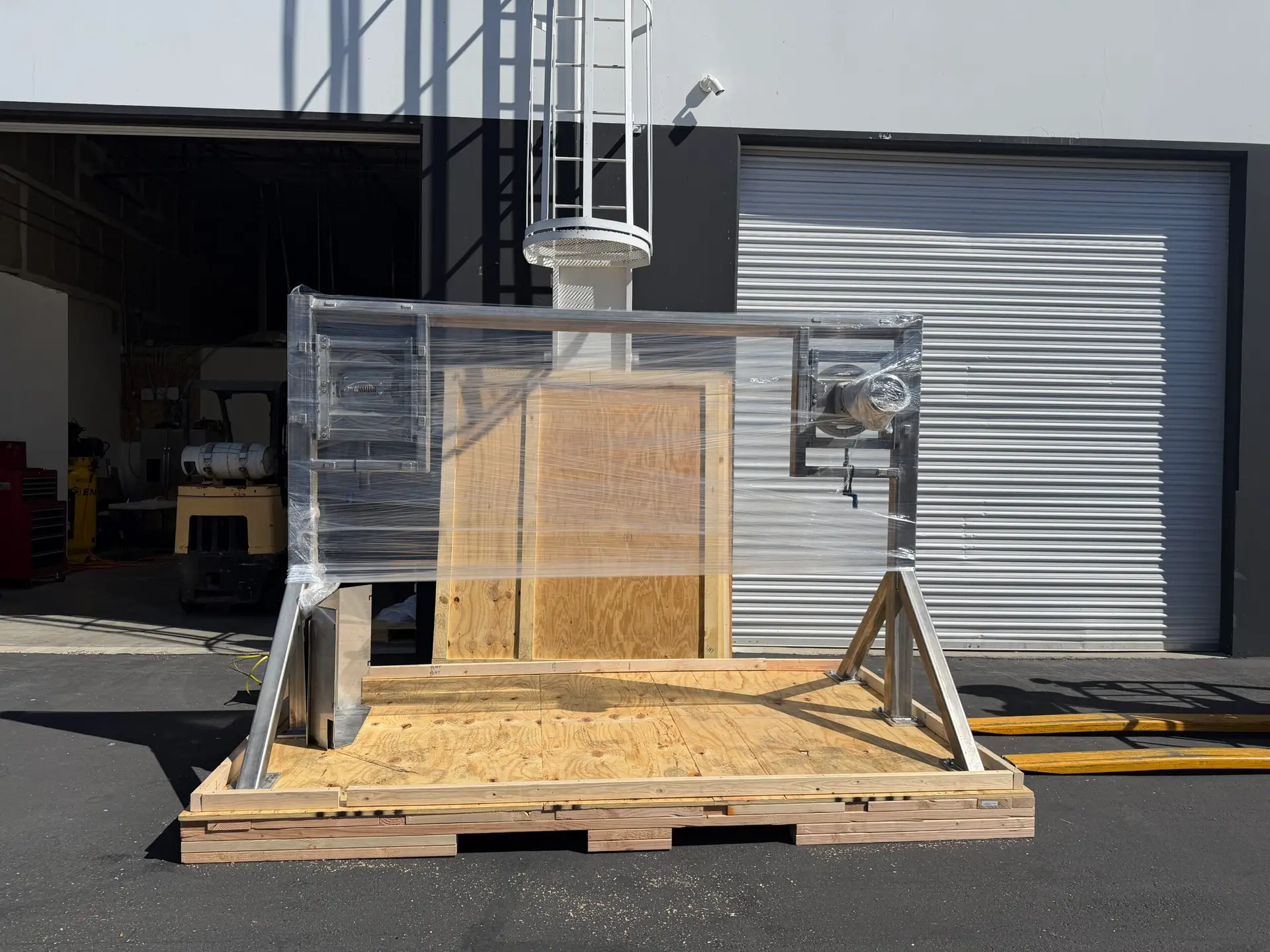
List the journey from the item's current position to its final placement. Include doorways, loading areas, handling equipment, storage stops and any restrictions on orientation. These details can change the base, access-panel or internal support design.
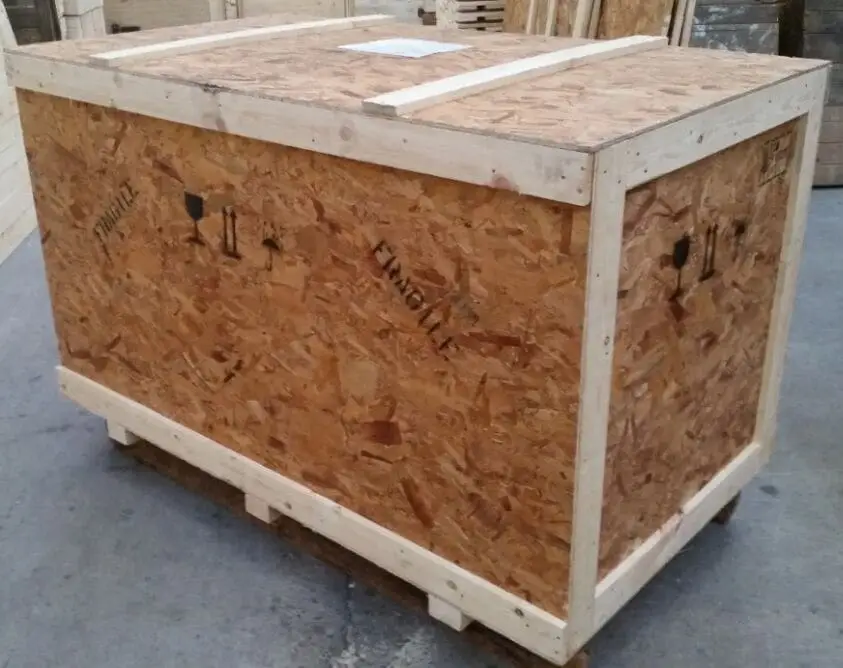
Discuss stackability explicitly. A crate should only be stacked when its design, contents and handling plan support that use. A flat top does not establish a stacking capacity.
Compare costs at shipment level
Ask for the finished package's dimensions and gross weight, then use those figures when comparing freight options. Review packing labor, pickup access, unloading needs and any return movement as well as the crate price.
Avoid universal savings claims. A tailored package may remove unnecessary space, but extra structure or a different route can change the total. The useful comparison is between realistic options for the same item and service requirements.
Use identification and technology purposefully
A clear package identifier and a shared packing list can prevent confusion without a complex system. Match crate labels, component lists and the shipment paperwork. Keep condition and closed-crate photographs with the shipment record.
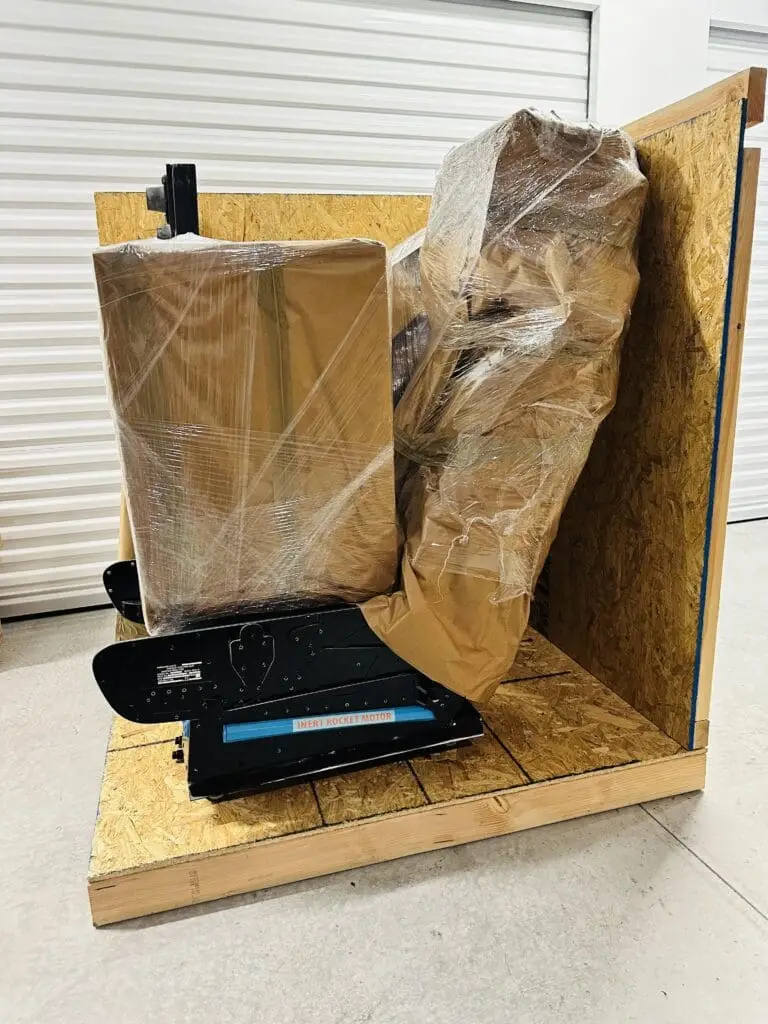
If a tracker, shock indicator or condition logger is proposed, decide what it measures and who will act on the information. Such devices do not prevent damage or prove by themselves who caused a problem. Confirm whether the service and device are actually included.
Make the recipient's job easier
Receiving instructions are part of the package's presentation. Tell the recipient what equipment is needed, where to open the enclosure and which components should be kept for a return.
- Confirm receiving hours and the delivery contact.
- Identify limited access or an appointment requirement.
- Provide an inventory for multi-part shipments.
- Keep branding separate from essential handling information.
- Explain how to report a discrepancy promptly under the applicable carrier process.
A predictable handoff gives the customer something concrete to evaluate. It is more useful than assuming an attractive crate will automatically create loyalty.
Review international requirements before packing
For cross-border freight, identify the destination and consult the carrier or broker about documents and entry requirements. Where regulated solid-wood packaging is involved, check the relevant ISPM 15 treatment and marking requirements.
USDA APHIS wood-packaging guidance explains the phytosanitary purpose of those requirements. They do not replace customs paperwork, cargo-specific rules or the need for suitable physical protection.
PLAN YOUR CRATING
Build a coordinated packing and shipping plan
Discuss packaging services with Crates of Las Vegas and provide the item, route and receiver details together. Ask who owns each handoff so crate completion, carrier collection and delivery are planned on the same information.
Discuss your crating projectMORE CRATING GUIDES