
On-site packaging
How On-Site Packaging Simplifies Logistics
Modern logistics demands careful coordination, especially when shipping fragile, oversized, or high-value goods. Transporting an unpacked item to a separate packing facility can add handling steps, travel, and scheduling requirements.
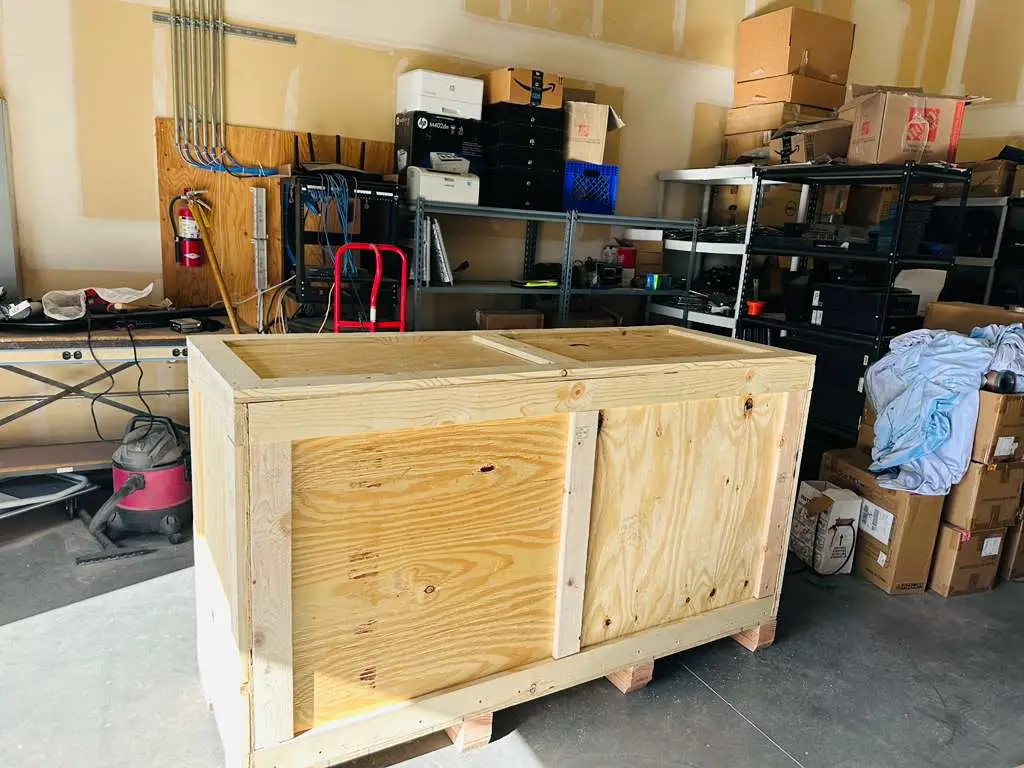
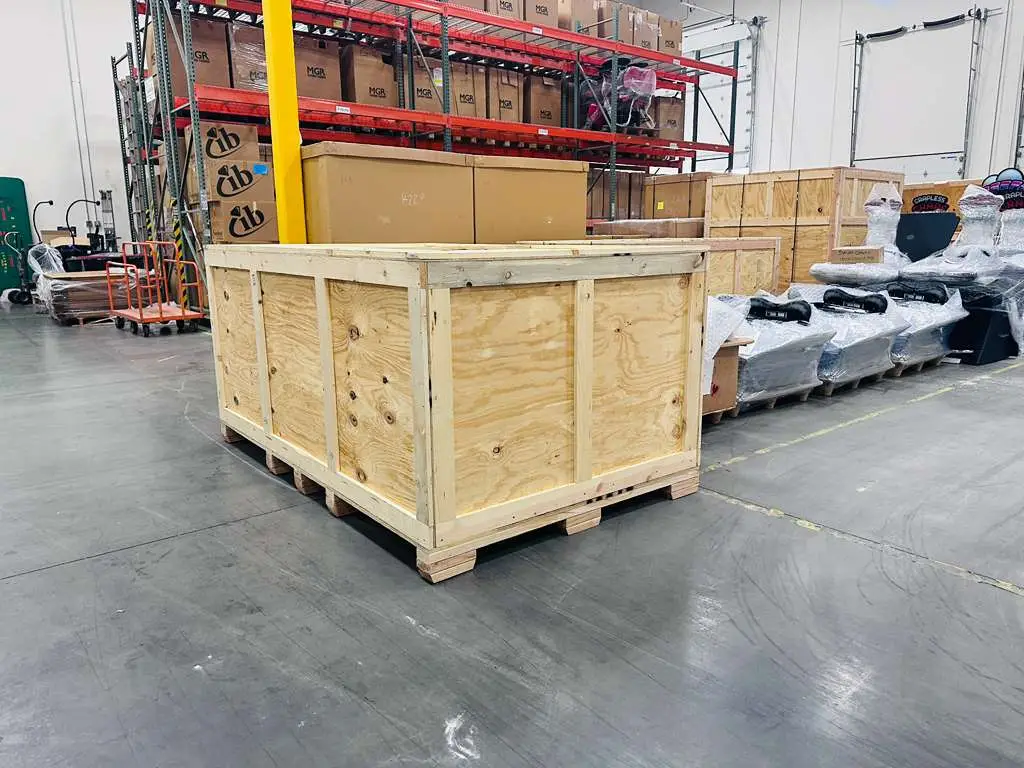
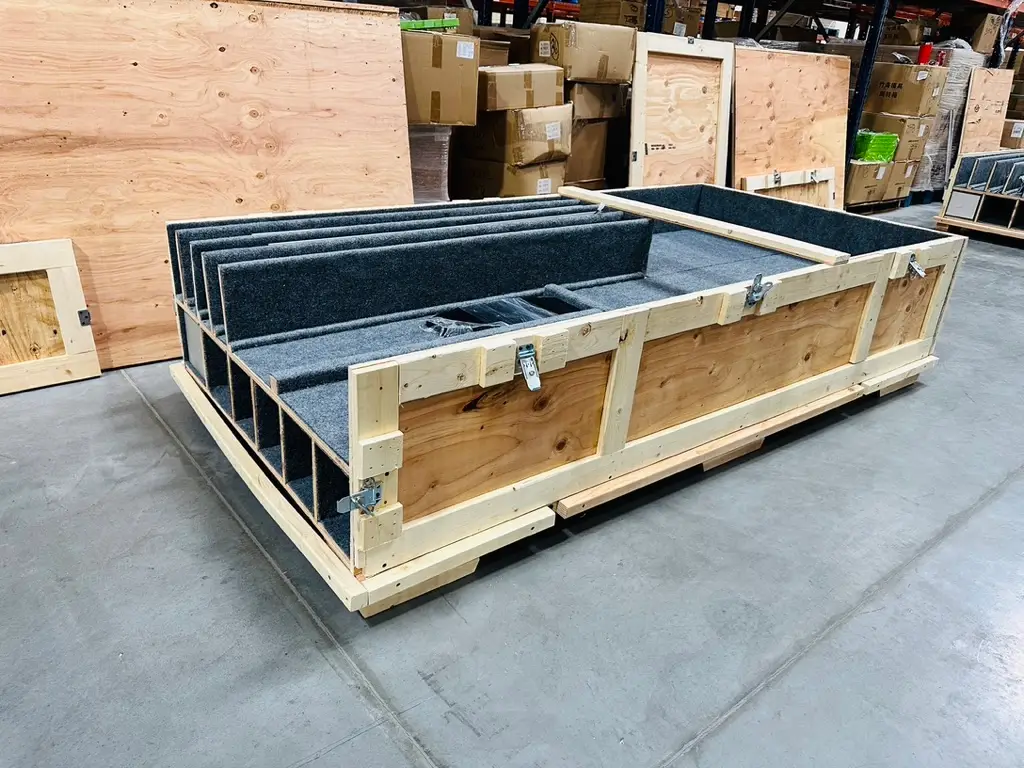
On-site packaging brings crating and packing work to the customer’s location. Crates of Las Vegas offers on-site crating services. When the location and project are suitable, this approach can help coordinate protection and carrier pickup from the same point of origin.
Reduced Handling and Lower Risk of Damage
One of the biggest advantages of on-site packaging is the opportunity to reduce transfers before the item is protected. In a traditional workflow, goods may be moved to a packing facility before they are ready for shipment. Each additional movement needs handling equipment, access, and coordination.
Packing at the source can remove that separate journey. This is especially useful for industrial machinery, medical equipment, and delicate instruments that are difficult to move unpacked. Custom crate construction and packing can be planned around the item at its location.
Some repositioning may still be necessary to inspect, support, or pack the cargo safely. An on-site appointment does not mean an item will never move before the crate is closed. Agree the access and handling plan in advance, including who is responsible for any required lifting or relocation.
Turnaround Planning and Workflow Efficiency
On-site packaging can simplify the schedule by removing transport to an external crating facility. It also lets the packing team coordinate with the people who know the equipment and its release requirements.
The work still needs planning. Measurements, materials, space, access, and any specialized support requirements should be confirmed before the visit. Some crate components may be prepared in advance, while others may need adjustment at the location.
Discuss the required pickup date and confirm availability rather than assume the team can arrive and build immediately. Urgent timelines depend on the job scope and resources. A realistic packing window gives everyone a better basis for coordinating the carrier and avoiding premature pickup.
Custom-Fit Solutions for Complex Equipment
Many industries deal with equipment that is large, irregularly shaped, or highly sensitive, making standard packaging unsuitable. On-site work gives the team an opportunity to check the item and its surroundings directly before completing the packing process.
Weight distribution, vulnerable parts, approved support points, and transport restrictions still need accurate information. Manufacturer instructions, drawings, and confirmed weights are useful even when the equipment is available for inspection.
Internal supports such as bracing, blocking, or suitable cushioning can be planned around the cargo. On-site work does not automatically make measurements or protection better than off-site packing; its practical benefit depends on the equipment, the location, and the scope agreed with the builder.
Evaluating Cost Savings Through Streamlined Logistics
Avoiding a separate journey to a packing facility may reduce transport and handling costs. Fewer transfers can also reduce opportunities for damage before the shipment is protected.
Compare the total project cost, including site labor, travel, access arrangements, required handling equipment, crate materials, and freight. On-site service is not automatically the least expensive option, particularly when the location restricts working space or loading access.
Custom sizing can avoid unnecessary bulk, but sufficient room for support and cushioning must remain. Request transport pricing using the finished crate dimensions and gross weight. That gives a more useful comparison than assuming a fitted crate always produces a lower freight charge.
Improved Coordination in Complex Supply Chains
On-site packaging can align packing, scheduling, and shipping activities at one location. This is useful when several teams need to coordinate the equipment’s release, preparation, and collection.
A simple plan should identify:
- Who will provide access and approve the item’s readiness for packing
- Where the packing work will take place and how the finished crate will reach the pickup area
- Who supplies any required lifting or handling equipment
- When the carrier can collect the shipment after packing is complete
- What the receiving team needs for delivery and unpacking
Share changes to the cargo or schedule promptly. Last-minute adjustments can affect materials, labor, and pickup arrangements, so flexibility should be confirmed rather than assumed.
PLAN YOUR CRATING
Plan On-Site Packaging for Your Location
On-site packaging can reduce unnecessary transfers and bring packing closer to the equipment and the people responsible for it. Its success depends on a workable site, accurate cargo information, and a coordinated schedule.
Contact Crates of Las Vegas with the item’s dimensions, weight, photos, location, destination, and pickup deadline. Describe doorways, loading access, available working space, and any handling restrictions so the team can discuss a suitable on-site plan.
Discuss On-Site PackagingMORE CRATING GUIDES