LAS VEGAS · EXPORT COMPLIANCE
How ISPM-15 Crates Support International Shipping Compliance
In international trade, a wood-packaging problem can lead to inspection, rework, or a shipment being refused entry. Businesses shipping from Las Vegas should establish the destination's requirements before ordering a crate or booking freight.
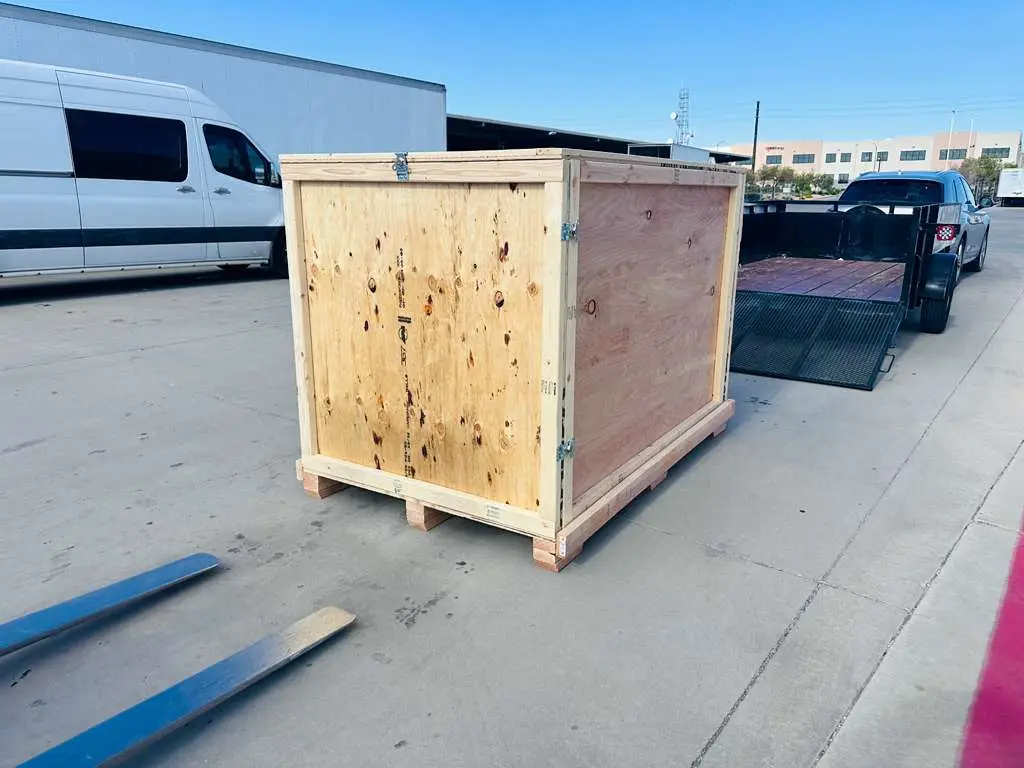
Properly treated and marked wood packaging helps address one specific shipping risk: the movement of regulated wood pests. A complete export plan must also cover the cargo, documentation, carrier requirements, and destination rules. An ISPM 15 mark does not guarantee clearance or damage-free delivery.
Benefits|Crates Of Las Vegas - Custom Crating - Wooden shipping crates
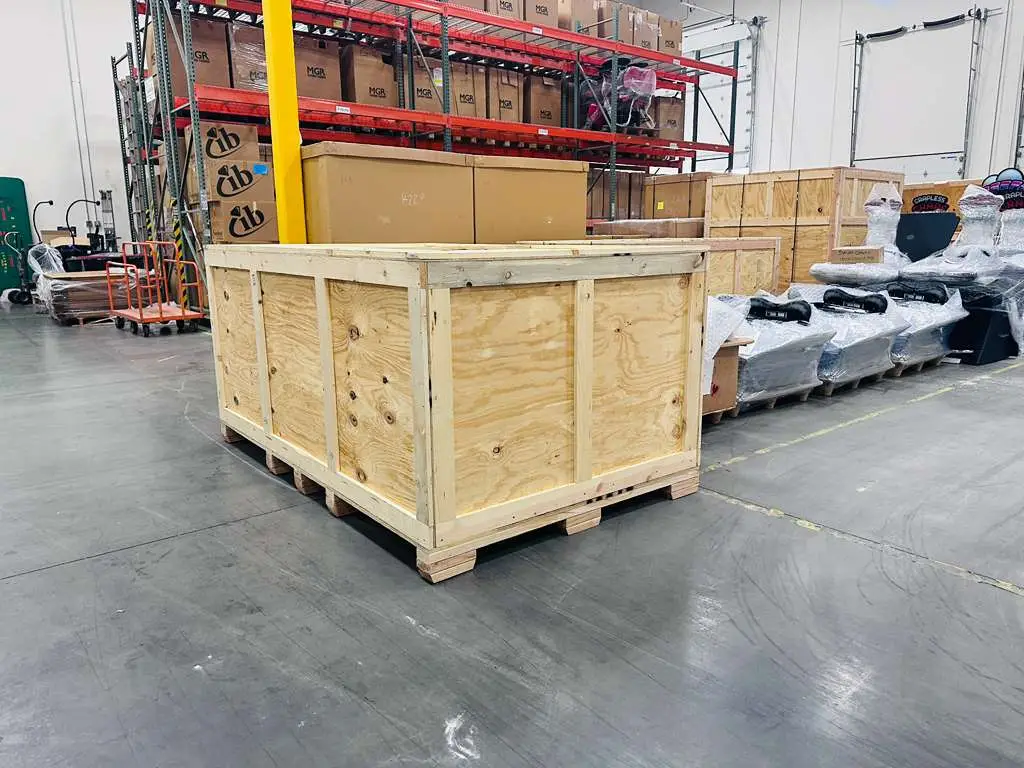
ISPM 15 is an international phytosanitary standard for wood packaging material made from raw wood, including relevant crates, pallets, skids, and dunnage. The International Plant Protection Convention's overview explains that its measures reduce the risk of spreading quarantine pests. They do not provide continuing protection against later contamination.
The standard excludes packaging made from certain processed wood materials, such as plywood. A plywood-sided crate can still have regulated solid-wood framing or a solid-wood base, so assess the complete package rather than its panels alone.
Requirements depend on the destination and applicable exemptions. Avoid assuming every international shipment has identical rules, or that domestic packaging can be reused for export without checking it.
How Treated and Marked Packaging Helps Avoid Delays
For regulated wood packaging, the official mark is an important part of showing that the required treatment and production controls have been followed. Source the packaging through the appropriate compliant supply chain and check that the mark remains visible and legible after packing.
An ordinary heat-treated lumber stamp is not a substitute for the finished packaging's required mark. USDA APHIS guidance for exporters describes compliant sourcing options and makes clear that businesses cannot simply create their own ISPM 15 mark.
Before pickup, review:
- The destination and any transit-country requirements with the freight forwarder or broker
- The crate, pallet, bracing, and separate dunnage used in the shipment
- Marking condition and any signs of pests or damaged wood
- Changes, repairs, or replacement components that need review by the packaging supplier
- Consistency between the cargo, packing list, and shipping instructions
These checks help reduce avoidable wood-packaging problems. Inspectors can still examine a properly marked shipment, and other customs or import issues can still cause delays.
Understand the Consequences of Non-Compliant Packaging
The response to non-compliant packaging depends on the destination authority and the circumstances. For U.S. imports, APHIS describes corrective actions that can include supervised destruction of non-compliant wood packaging or re-export of the shipment. Do not assume an informal repair at the port will be allowed.
A hold can create extra handling, storage, and transport costs and may affect delivery commitments. Confirm who will communicate with authorities and arrange corrective action if a problem occurs.
Coverage for packaging-related damage or delay depends on the actual insurance policy and carriage terms. Review those terms rather than assuming that certification guarantees coverage or that all carriers reject the same claims.
Apply the Rules Across Different Industries
Manufacturers, medical-equipment suppliers, technology companies, laboratories, arts organizations, and event producers may all use regulated wood packaging for international shipments. The destination and packaging material determine the phytosanitary requirements; the cargo's industry name does not remove them.
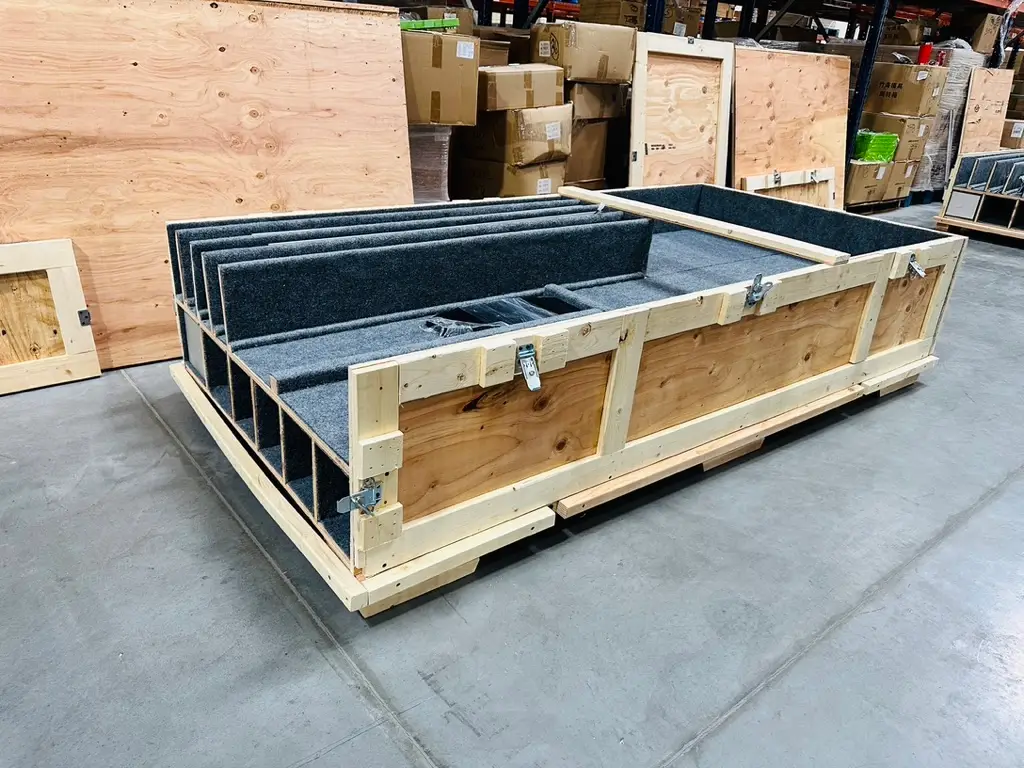
The physical protection still needs to match the load. Machinery may require reinforced support and internal restraint. Precision instruments and electronics may need selected cushioning and environmental protection. Artwork and exhibit components need compatible contact materials and careful handling arrangements.
Treat export compliance and cargo protection as related tasks with different purposes. A correctly marked crate still needs an appropriate structural design, and a strong crate still needs compliant wood packaging where required.
Plan Export Crating from Las Vegas
Give the crating provider the destination, transport mode, cargo dimensions and weight, expected storage conditions, and any planned return trip. Confirm who will supply and mark regulated wood components, including dunnage added during loading.
For reusable crates, check structural condition and discuss any repairs or remanufacturing with the provider before the next shipment. Keep packing instructions and supplier records available to the team responsible for the export.
Coordinate documentation with the freight forwarder or customs broker. The crate's treatment mark is not a general customs clearance certificate, and a crating provider's scope should not be assumed to include every import, export-control, or product-specific requirement.
PLAN YOUR CRATING
Request Export Crating for Your Shipment
Crates of Las Vegas can discuss custom export crates for machinery, electronics, exhibits, and other cargo. Share the destination and shipping plan early so the wood-packaging requirements can be addressed before fabrication.
Contact Crates of Las Vegas to request a quote and confirm the treatment, marking, and packing requirements for your shipment.
Request an export crate quoteMORE CRATING GUIDES