LAS VEGAS · CRATING GUIDE
ISPM 15 Export Crating: A Pre-Shipment Checklist
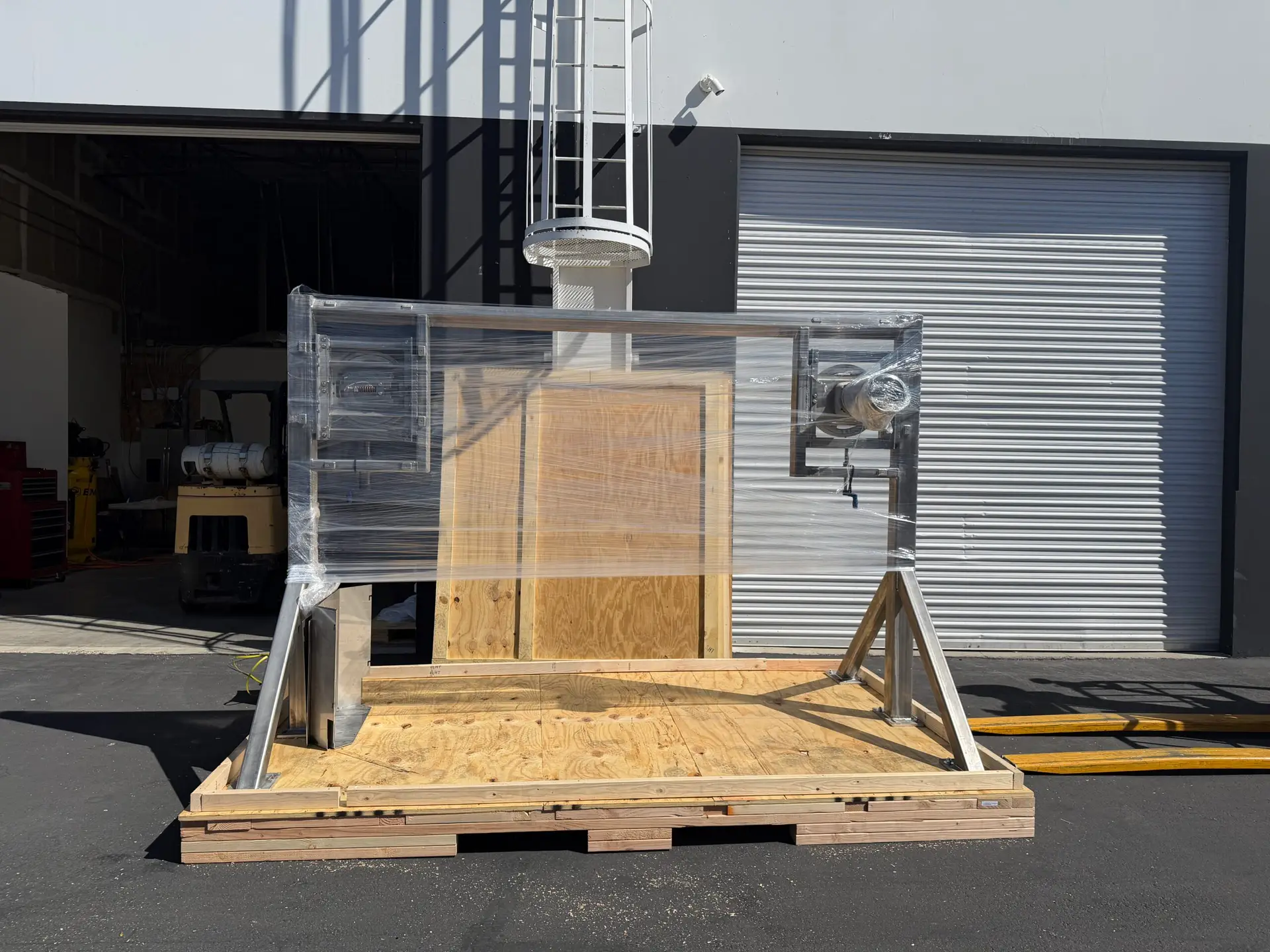
ISPM 15 preparation is most effective before the crate is built and the cargo is packed. Confirming the destination's wood-packaging requirements early gives the shipper, crating provider and freight team time to address treatment, marking and any reused packaging.
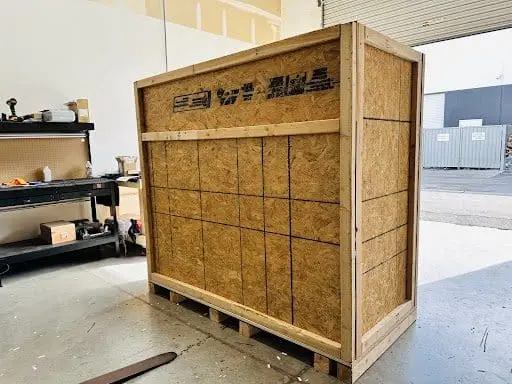
A correctly prepared crate can reduce one source of preventable export problems. It cannot guarantee customs clearance, delivery timing or protection from every transport hazard. The cargo and the wood packaging require related but separate checks.
Confirm which wood-packaging rules apply
Start with the importing country and the route. USDA APHIS's export guidance tells U.S. exporters to establish whether the destination requires ISPM 15-compliant wood packaging.
Discuss the full assembly, including the crate, pallet, skids and loose dunnage. Processed panels do not necessarily make a package exempt if other parts use regulated wood. Ask the provider and broker to resolve any uncertainty before packing.
Order treatment and marking through the proper provider
Treatment and an authorized mark belong together. APHIS describes options for purchasing compliant packaging or using a registered treatment facility. A shipper should not copy a mark or assume that ordinary heat-treated lumber is enough to document a finished export crate.
Ask the crating provider to identify how the applicable wood-packaging requirements will be met. Confirm the proposed treatment and marking as part of the project scope instead of relying on a broad claim that every crate is “certified.”
Check the completed package before dispatch
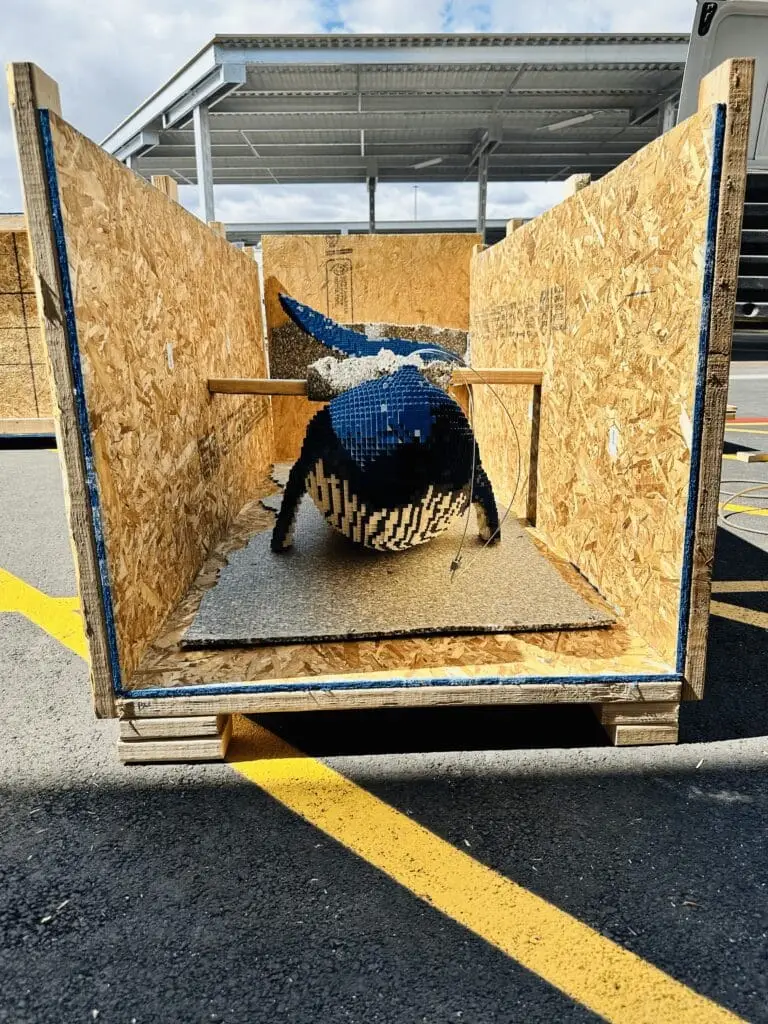
Review the crate after packing and before collection, while corrections are still practical. Keep this check distinct from the item's condition inspection and the carrier's loading requirements.
- Confirm the destination and wood-packaging instructions match the booked shipment.
- Review the regulated wood components included in the final assembly.
- Check that the required authorized marks are present, readable and unobscured.
- Look for damage, contamination or alterations needing the provider's review.
- Record the final package details and photographs with the shipment file.
The IPPC's standard overview explains the phytosanitary purpose of ISPM 15. That purpose is different from testing a crate's load capacity or guaranteeing its cargo against damage.
Do not assume an old crate is still suitable
A previous export trip does not answer every question about a reused crate. Its structure, packing and fit need to be appropriate for the new item, and any repairs or replacement wood may affect its packaging compliance.
APHIS advises that repaired or remanufactured wood packaging needs the appropriate renewed treatment and marking process. Ask the provider to review the crate before reuse rather than covering an old mark or making an unapproved repair and proceeding.
Coordinate the cargo documents and receiving plan
Fine art, machinery, medical devices and hospitality décor can all use wood packaging, but they do not share identical cargo requirements. Give the freight provider an accurate description of the goods and identify who is responsible for the documentation.
- Confirm the commercial and transport documents with the broker or freight provider.
- Disclose contents that may need separate transport review.
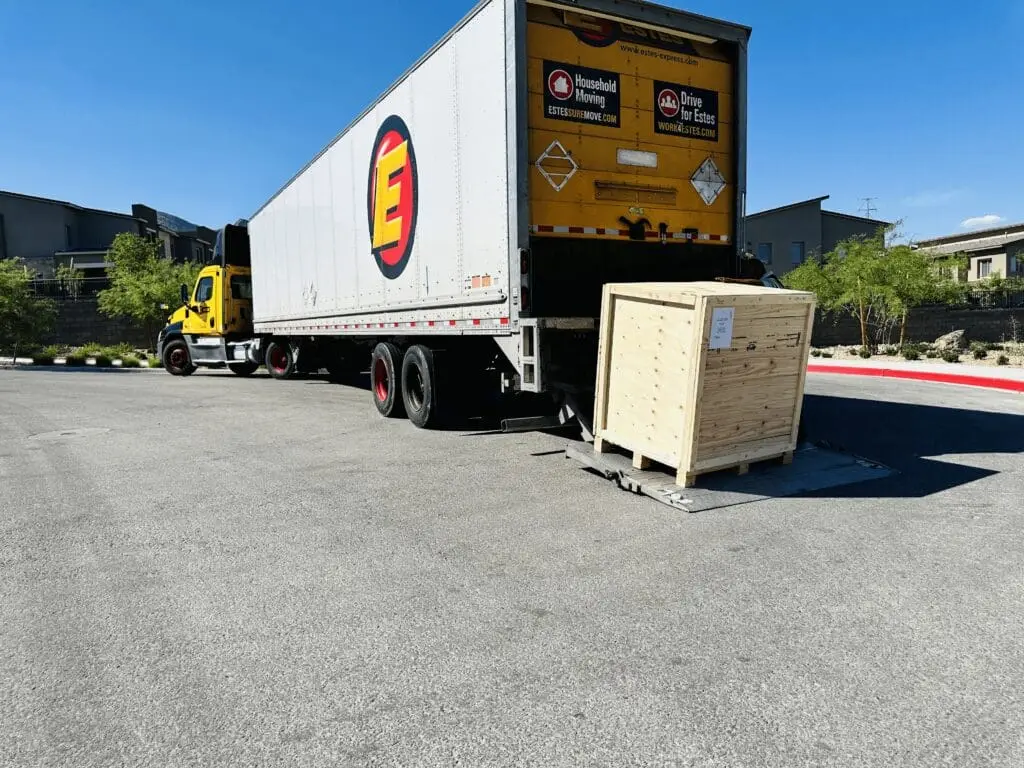
- Check pickup and delivery access against the finished package.
- Send the receiver the crate-opening and inventory information.
Correct wood packaging is a useful part of responsible international shipping. It does not remove inspections or replace the destination's rules for the goods themselves.

PLAN YOUR CRATING
Discuss export packaging before you ship
Contact Crates of Las Vegas with the destination, route, item details and expected dispatch date. Ask for the required treatment and marking to be included in the crating discussion, alongside the physical protection and handling plan.
Discuss your crating projectMORE CRATING GUIDES