Export cargo protection
How Export Crates Protect Valuable Cargo
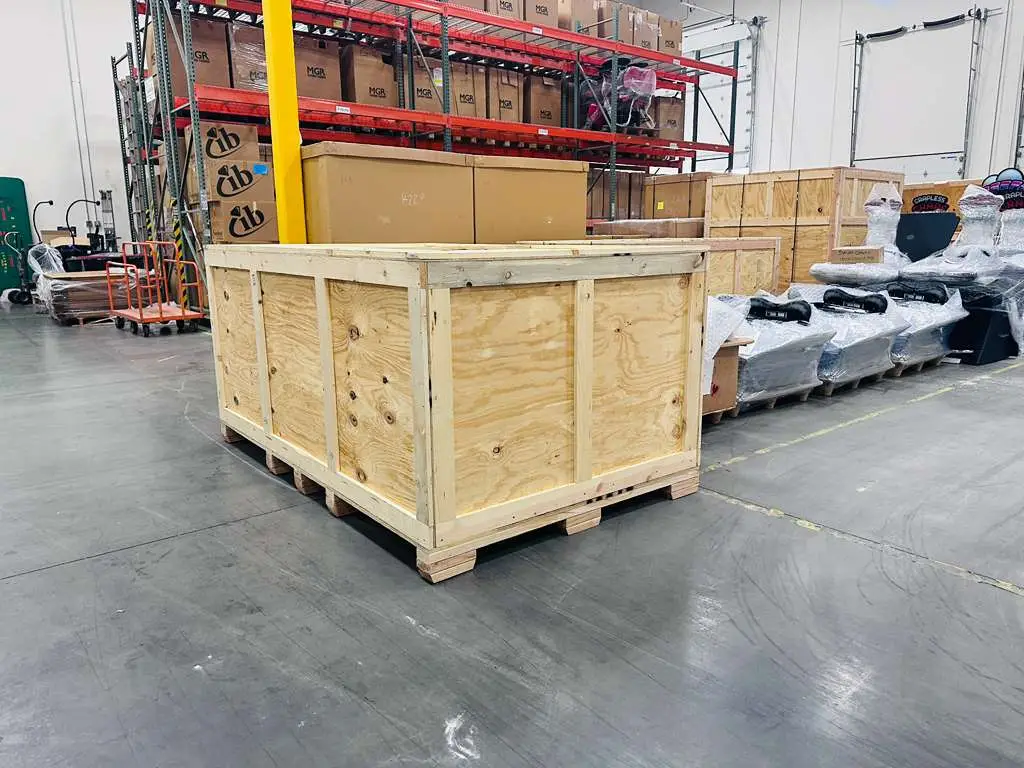
Exporting valuable cargo can involve long transit times, multiple handling points, environmental exposure, and customs requirements. Industrial machinery, medical equipment, electronics, and other high-value goods need protection suited to both the item and its route.
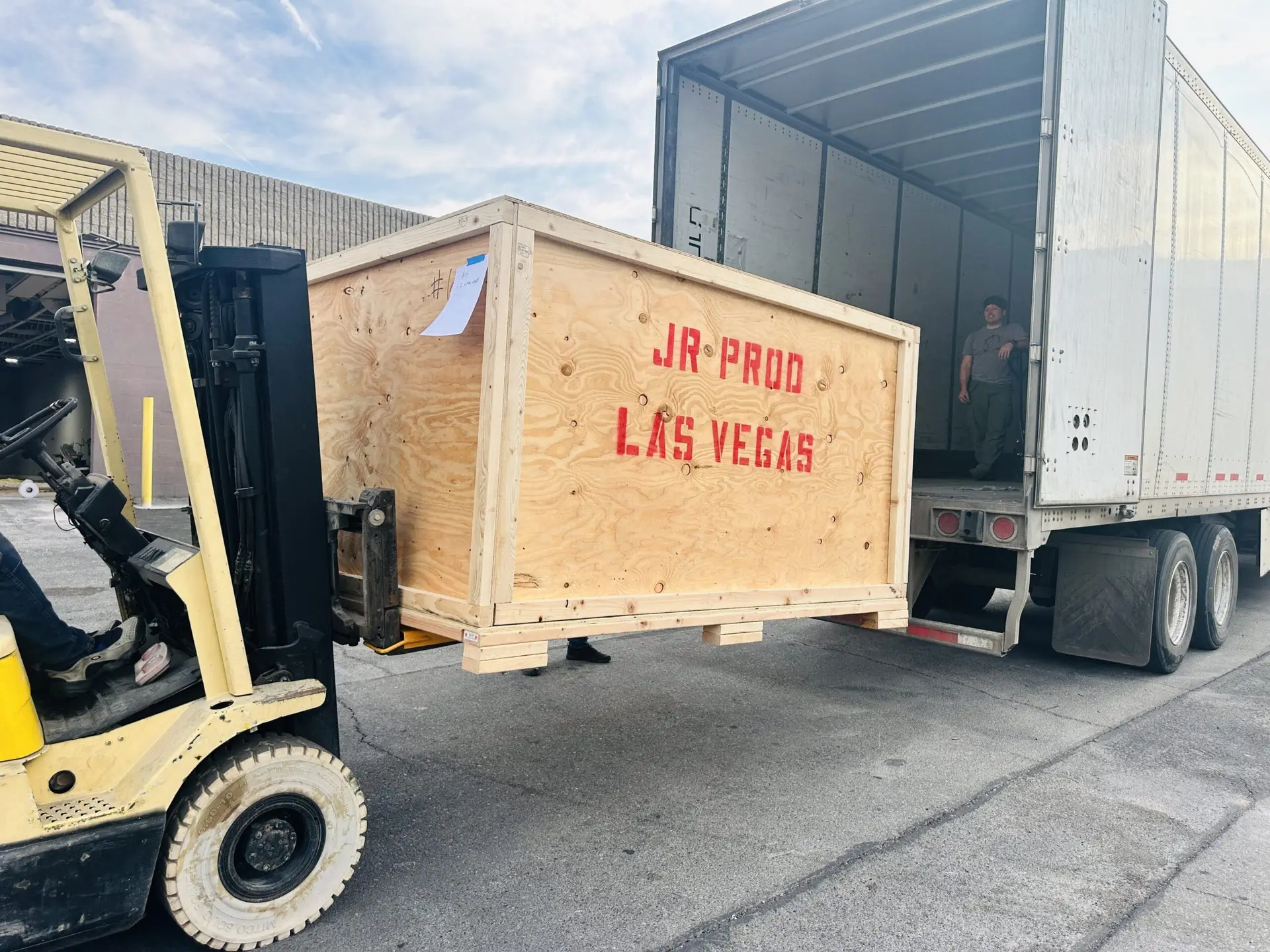
Export crating combines a suitable enclosure with cargo-specific packing and international preparation. Crates of Las Vegas provides custom wooden crates. The specification should address the expected transport conditions without assuming a crate guarantees damage-free delivery or customs clearance.
Structural Integrity for Long-Distance Transportation
International shipments may travel thousands of miles and pass through several transfer points. Impacts, pressure from other freight, and handling errors can all affect the cargo along the way.
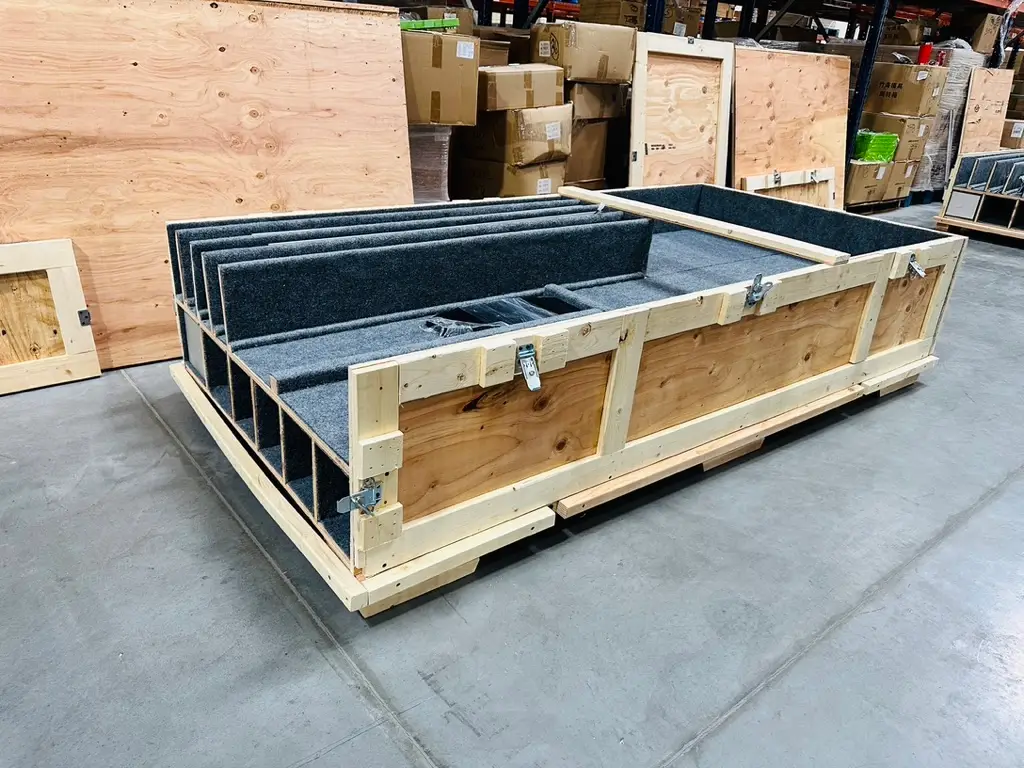
Export crates use an outer frame and base selected for the load. Internal blocking and bracing help support the item and limit movement that could cause it to strike the enclosure or another component. The design should reflect the cargo’s dimensions, weight distribution, approved support points, and sensitivity.
Heavy machinery, precision instruments, and fragile industrial components need different arrangements. Neither a strong-looking box nor the label “export crate” establishes a capacity for unlimited impact or stacking. Discuss the expected handling and any permitted top load before construction.
Protection Against Environmental Exposure
Humidity, temperature changes, and possible moisture exposure matter during international transport, particularly when cargo will spend an extended period in transit or storage. Sensitive metal surfaces, electronics, artwork, and medical devices may need protection beyond the outer enclosure.
A wooden crate is not inherently waterproof or temperature-controlled. Suitable barriers, protective linings, or other compatible measures should be selected for the cargo and expected exposure. If desiccants or a sealed barrier are proposed, their use should be part of the packing design rather than an assumption that loose material inside the crate will control the environment.
Share manufacturer limits and the expected storage period with the packaging provider. Pest treatment of the wood addresses a different issue from moisture, corrosion, or temperature protection for the contents.
Compliance With International Wood-Packaging Requirements
Many destinations regulate wood packaging used in trade. The exporter should confirm the receiving country’s requirements and obtain appropriately treated and marked packaging where those rules apply. APHIS provides U.S. export wood-packaging guidance and information on obtaining compliant material.
Treatment alone is not a substitute for the required marking. Ask the builder how the proposed crate and any regulated wood supports will meet the destination’s requirements. Avoid treating general claims of “export-ready” packaging as the entire compliance check.
Wood-packaging rules concern the packaging, not every requirement for the cargo. Customs documents, permits, carrier restrictions, and any product-specific controls still need attention. Proper preparation can reduce avoidable packaging problems, but it does not guarantee uninterrupted clearance.
Reduced Handling Damage Across Supply Chains
International cargo often changes hands before reaching its final destination. A crate with a suitable base and agreed handling method can reduce the need to handle the contents directly.
Blocking, bracing, and cushioning should be selected for the item and expected transport conditions. They help manage movement and transmitted forces, but do not make arbitrary tipping, stacking, or jostling harmless.
Confirm available equipment at pickup and delivery, and communicate the finished dimensions, weight, orientation, and any restrictions. Forklift entry does not establish crane-lifting capability. Any crane lift or specialized handling needs an appropriate design and a plan agreed with the responsible handler.
Financial Protection and Supply Chain Reliability
Damage during international shipping can mean costly repairs, replacement, delayed installation, and disappointed customers. Export crating is one part of managing that exposure, especially for equipment that is specialized or difficult to replace.
Evaluate packaging cost alongside the consequences of damage and the full transport cost. Reliable preparation also includes coordination with the receiving team so the crate can be delivered, opened, and inspected appropriately.
Do not assume that an export crate lowers insurance premiums or improves a claim outcome. Coverage and evidence requirements depend on the applicable policy and transport terms. Confirm those requirements and retain useful condition and packing records before shipment.
PLAN YOUR CRATING
Discuss Export Crating for Your Cargo
A practical export-crating plan brings structural protection, environmental measures, handling, and destination checks together. The best starting point is accurate cargo information and a clear description of the journey.
Contact Crates of Las Vegas with the cargo’s dimensions, weight, photos, destination country, intended transport method, and schedule. Include manufacturer instructions, expected storage, and loading or unloading restrictions so the packaging requirements can be discussed before booking.
Discuss Export CratingMORE CRATING GUIDES