

Crates of Las Vegas Journal
Custom Crates for Long-Distance and Overseas Shipping
A long-distance shipment can pass through several carriers, terminals and storage locations before reaching its recipient. A custom crate plan should reflect that route as well as the object inside it.
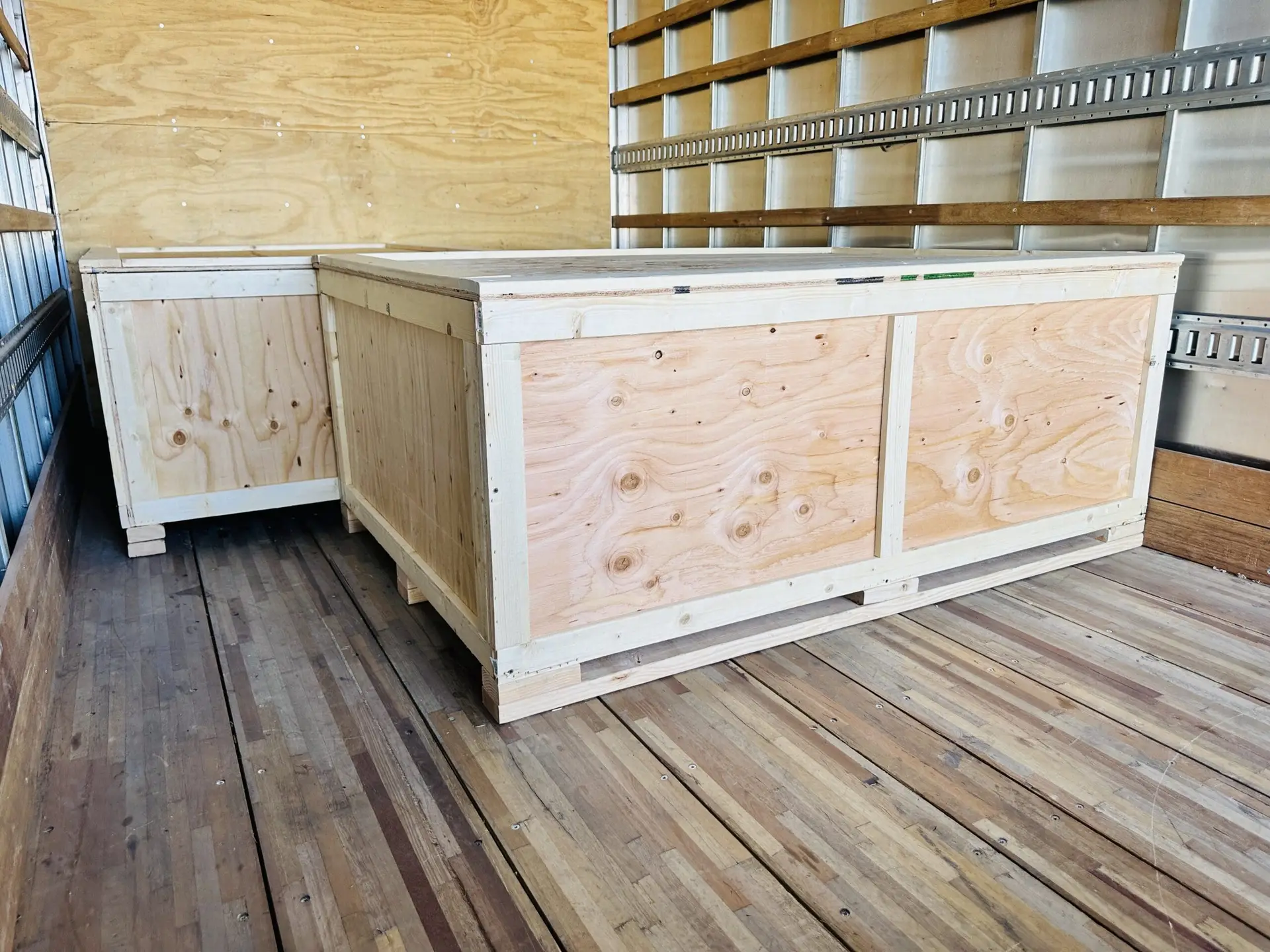
For a Las Vegas shipment traveling by road, air or sea, begin with the expected handling stages and any limits specified by the manufacturer or owner. The crate is one part of the transport plan; it cannot guarantee arrival time or protect against every possible condition.
Design for the load and handling stages
Provide verified item dimensions, weight, orientation and approved support points. Ask the crate provider to explain how the base, restraints and enclosure suit the load and intended mechanical handling.
Confirm the carrier’s requirements using final packed dimensions and weight. If stacking is expected, discuss the permitted conditions explicitly. A wooden box is not automatically rated for loads placed above it, and a forklift-compatible base does not establish suitability for all lifting methods.
Tailor protection to vulnerable components
Paintings, antiques, electronics, medical devices and exhibit displays can each have different packing needs. Include manufacturer, lender or specialist instructions and identify surfaces that must not bear against restraints.
Give loose parts and accessories assigned locations. Record the packing sequence so the recipient can open the crate without searching around fragile components. A custom fit should allow for necessary protection rather than removing all clearance indiscriminately.
Consider environmental exposure across the whole route
Ask about transit duration, transfer points and any likely storage periods. Moisture barriers, insulation and other precautions should be selected for the contents and journey. Ordinary wood and export heat treatment do not establish waterproofing or active climate control.
For artwork, the Canadian Conservation Institute’s transport guidance explains the role and limits of packaging in moderating environmental changes. Where controlled conditions are required, coordinate the transport and storage arrangements with the responsible specialist.
Check international requirements before dispatch
Confirm whether the destination requires ISPM 15 treatment and marking for regulated wood packaging. The APHIS export guidance provides a starting point for that review.
The wood-packaging check is separate from commodity documentation, import permissions and carrier requirements. Correct treatment and marking address one potential compliance issue, but inspections or other problems can still delay the shipment. Make sure the forwarder and crate provider understand their respective responsibilities.
Compare reuse and the return route
For recurring overseas events or equipment demonstrations, a reusable crate may support consistent packing. Include empty return freight, storage, inspections and repairs in the financial comparison. A long or impractical recovery route can change the value of reuse.
Before another shipment, check the crate, supports and required marks. Repairs or changed contents may need reassessment. Keep a record of completed trips and replaced materials if the business wants to evaluate cost or environmental improvements.
PLAN YOUR CRATING
Plan a crate for your long-distance shipment
Contact Crates of Las Vegas with the item specifications, route, anticipated storage and receiving details. Ask for a confirmed crating scope and share the proposed packed dimensions and handling instructions with your carrier and recipient.
Discuss Your Crating ProjectMORE CRATING GUIDES




