


Crates of Las Vegas Journal
How Custom Crates Can Improve Logistics Costs in Las Vegas
A lower packaging price does not always mean a lower shipment cost. When Las Vegas businesses move valuable equipment or fragile goods, the useful comparison includes packing labor, freight charges, receiving work and the consequences of damage or delay.

Custom crating can make those costs easier to plan by matching the packaging to the item and route. Savings depend on the actual shipment, however. A wooden crate adds weight and construction cost, so it should solve a specific handling or protection problem.
Compare the complete logistics cost
Ask for an itemized scope before comparing quotes. Establish who measures the item, prepares it for transport, supplies interior protection, closes the crate and arranges collection. Keep freight, storage and unpacking charges visible alongside the crate price.
- Packaging: design, materials, construction and packing labor
- Transport: packed size and weight, route and service requirements
- Handling: loading equipment, site access and receiving arrangements
- Repeat use: storage, return freight, inspection and replacement parts
A compact design can reduce unused space, but extra cushioning or a stronger base may be necessary. Get the carrier’s quote using the final packed dimensions and weight rather than assuming a smaller footprint always costs less.
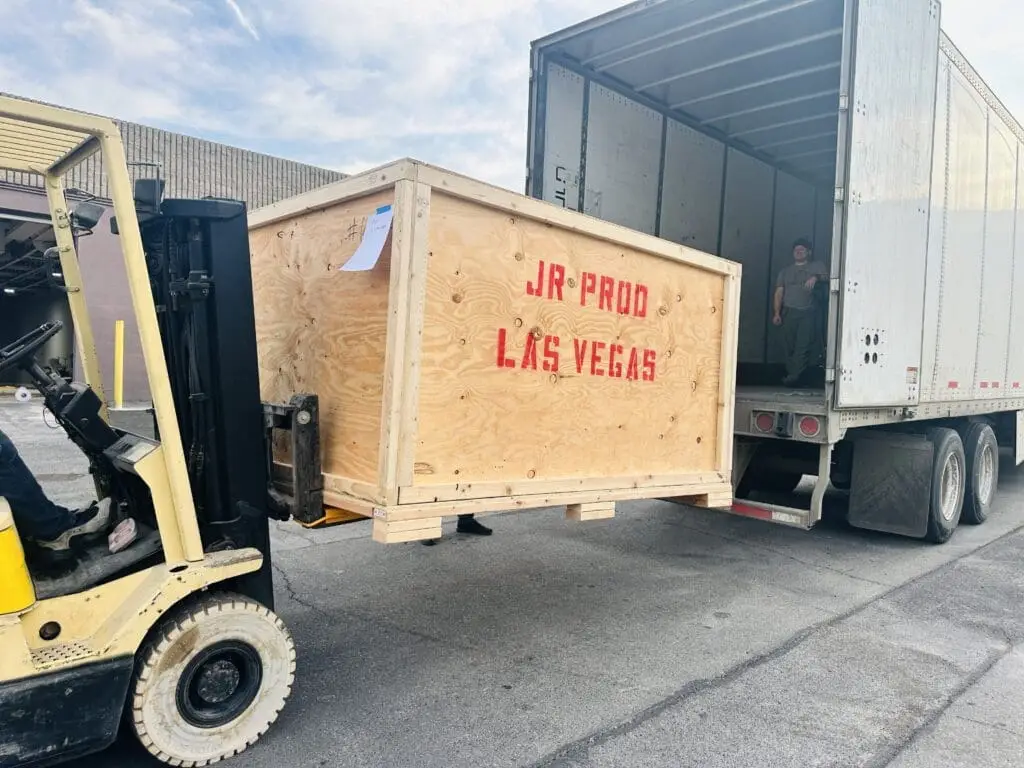
Artwork: account for careful handling
Paintings, sculptures and antiques may need individual supports, surface-compatible materials and detailed packing instructions. Those requirements can increase the initial packaging price while addressing risks that a generic container leaves unresolved.
For a gallery or touring exhibition, consider whether the same crate can serve the outward and return journeys. Include time for condition photographs and a clear inventory. A missing bracket or uncertain unpacking sequence can disrupt installation even when the artwork itself arrives undamaged.
Electronics: keep the shipment organized
Office equipment and audiovisual systems often travel with stands, cables and other removable parts. Separate, identified compartments can help the receiving team account for everything without repeatedly handling the main unit.
Obtain manufacturer instructions before choosing restraints or cushioning. Specify any electrostatic-discharge protection the equipment requires, and identify who will verify operation after delivery. Packaging should support that handover; it cannot promise that calibration or functionality will be unchanged.
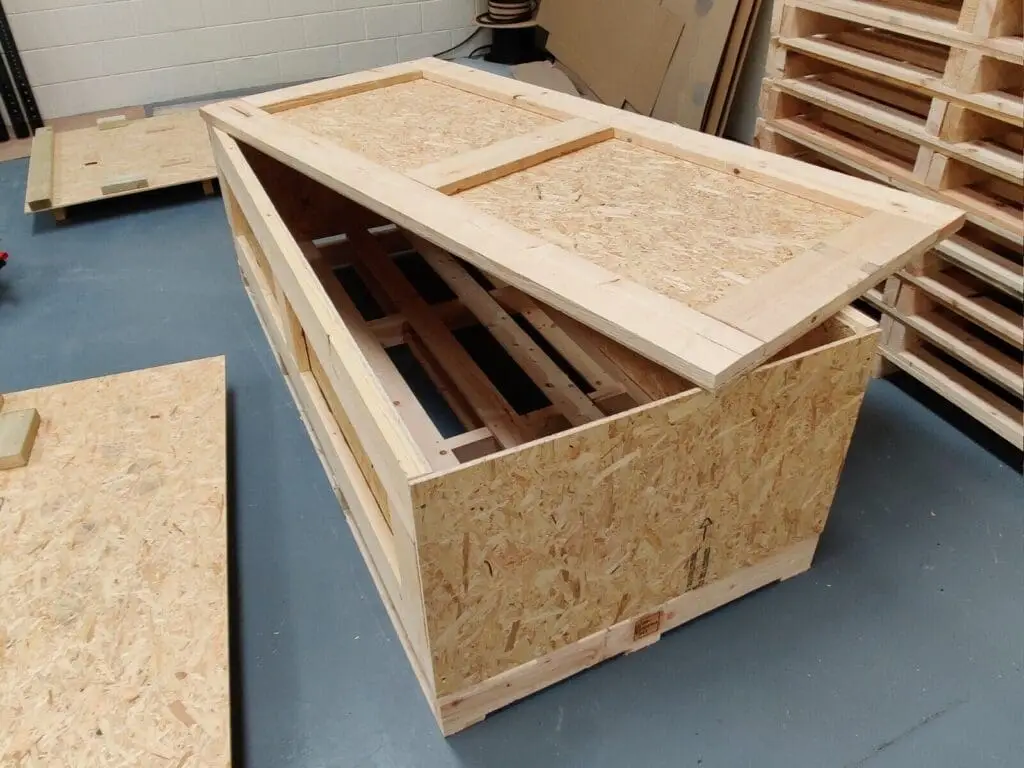
Medical equipment: clarify responsibilities early
Medical-device moves can involve specialists beyond the crate builder. Confirm who handles shutdown, preparation, transport locks, unloading and recommissioning before booking the work. A clear scope helps prevent one supplier’s task from being mistaken for another’s.
For an international shipment, check destination-specific wood-packaging requirements as well as the equipment’s separate import documentation. APHIS guidance covers the wood-packaging question; it does not replace product-specific review.
Evaluate reuse and storage realistically
Reusable crates make the most sense when there is a practical way to recover, store and inspect them. Estimate the number of expected trips and the cost of returning empty packaging. Ask whether replaceable interior pieces could accommodate a planned equipment change without compromising protection.
Store crates in conditions suitable for both their materials and contents. Before another trip, check closures, supports, cushioning and any required export marks. Record repairs and ask a qualified provider to reassess a crate after changes to its load or construction.
PLAN YOUR CRATING
Request a shipment-specific crating quote
Send Crates of Las Vegas your item list, dimensions, weights, locations and planned route. Include expected repeat shipments and storage needs so the team can discuss a useful scope and you can compare the full logistics cost.
Discuss Your Crating ProjectMORE CRATING GUIDES




