
Damage prevention
How Custom Crates Reduce Shipping Damage for Las Vegas Businesses
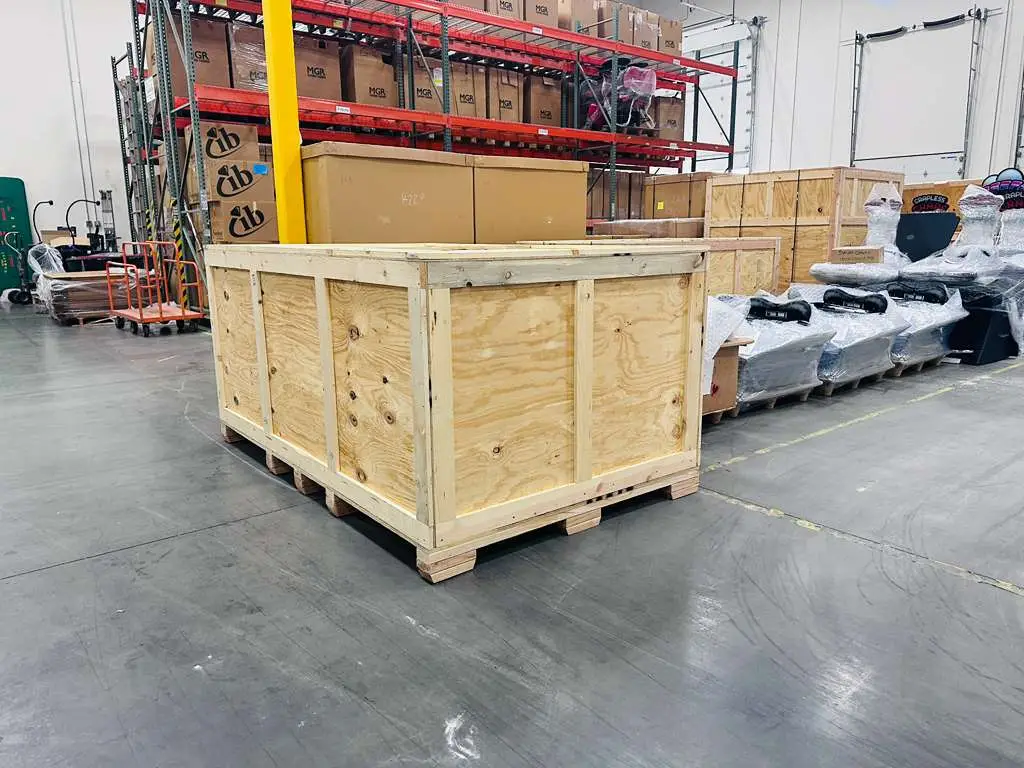
Shipping damage can interrupt installation, create repair work and leave a customer waiting for a replacement. Las Vegas businesses moving exhibits, equipment, artwork or industrial components can reduce some of those risks by matching the packaging to the item and its journey.
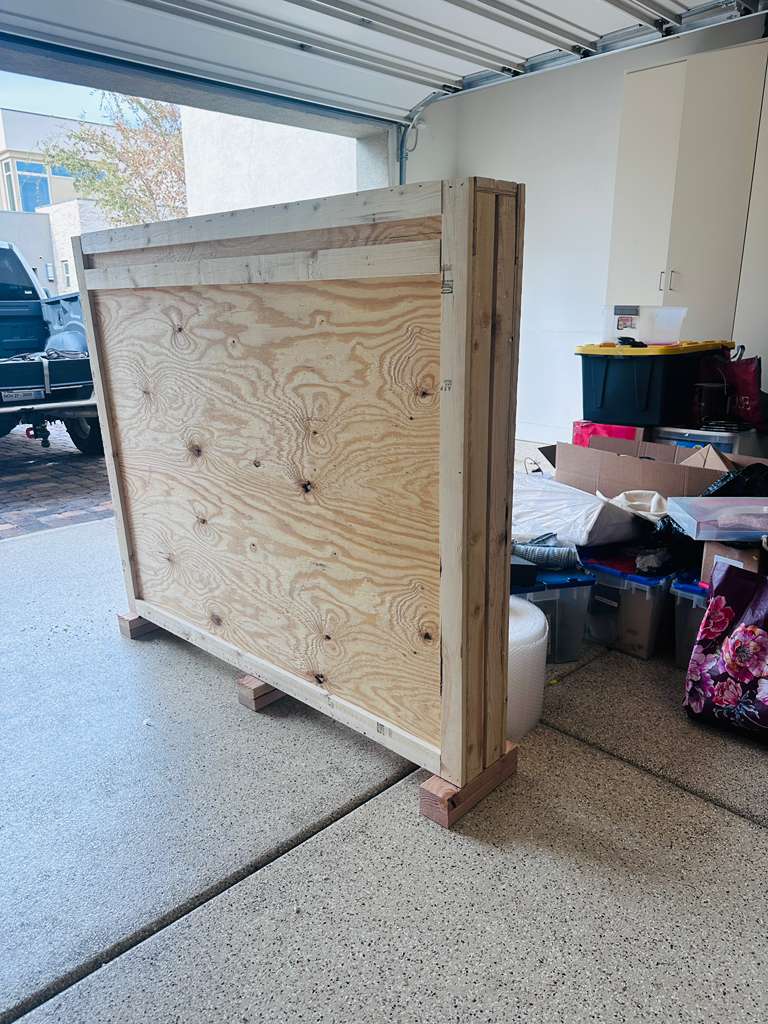
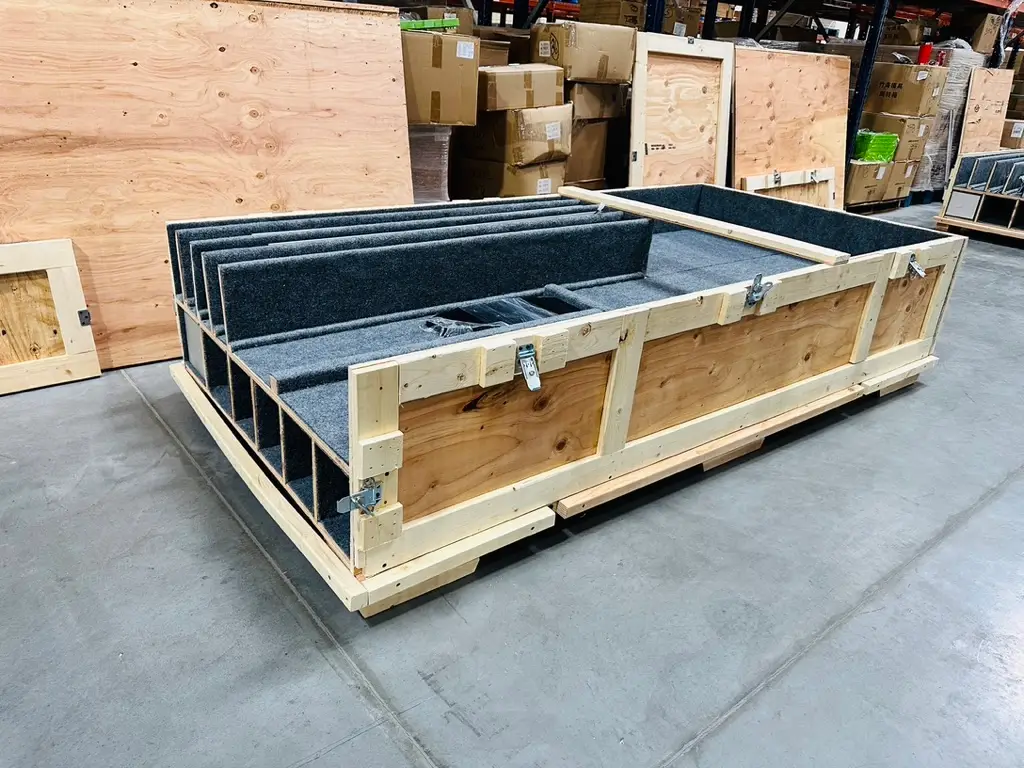
A custom wooden crate can provide an enclosure, a suitable base and a planned interior arrangement. Its effectiveness depends on those features working together with proper handling. No packaging choice guarantees a damage-free trip.
Control Movement Inside the Package
An item can be damaged inside an apparently sound crate if it shifts, rubs against another component or takes pressure on a weak area. The design should identify the appropriate support and restraint points before deciding where to place blocking or bracing.
Provide the packer with:
- Accurate dimensions and weight
- Fragile surfaces and protrusions
- Approved attachment and lifting points
- Manufacturer transport instructions
- A list of loose parts and accessories
Custom fit should include the clearances and cushioning the item needs. A tight enclosure alone is not enough, and excessive void fill is not a substitute for load restraint.
Keep heavy accessories separated from delicate components. A labeled inventory and packing photographs help the receiving team understand the arrangement and reproduce it if the item returns.
Choose Construction for the Actual Handling Risks
Rigid panels and framing can protect against some contact and handling hazards, but the base, fasteners and overall construction must suit the full load. Adding more wood does not automatically produce a better design.
A properly specified corrugated package or pallet may be suitable for some goods. A crate is worth considering where an enclosure, custom restraint or a stronger handling base addresses a particular risk.
FedEx's crate guidance highlights sound lumber, bracing and appropriate fasteners. Confirm the selected carrier's current requirements and any agreed stacking restrictions rather than assuming every wooden crate can be handled the same way.
Export treatment is a separate issue. An ISPM-15 mark does not establish impact resistance or the load capacity of the package.
Design the Interior Around Fragile Items
Cushioning, surface protection and blocking perform different jobs. Their selection should reflect the item's weight, fragility and material compatibility.
Examples of issues to resolve include:
- Whether a finished surface can touch the proposed wrap or foam
- Whether a sensitive component needs support independent of the main body
- Whether electronics require manufacturer-specified protective materials
- How accessories will be restrained without contacting the main item
- Whether a transit lock or removable component must be handled by a service team
Avoid assuming that bubble wrap, anti-static material or foam is appropriate for every item. A conservator may need to advise on artwork, while equipment instructions should guide the preparation of sensitive machinery.
The aim is a documented packing arrangement that addresses the actual vulnerabilities, rather than a generic list of protective materials.
Address Environmental and Loading Conditions
Collection, transfer and delivery conditions can expose a shipment to dust, moisture, temperature changes or unsuitable handling. Identify those conditions before choosing the crate.
Ask whether the item will wait outdoors, how it will be loaded and what equipment is available at the destination. Confirm the completed crate can pass through the necessary doors and access routes.
Ordinary wood construction is not a guarantee of weatherproofing or climate control. Any moisture barrier, corrosion-control measure or controlled-temperature service should be specified for the contents and route.
For international freight, review the applicable wood-packaging rules with the provider and forwarder. APHIS explains the treatment and marking framework. Cargo documentation and import requirements still need separate attention.
Assess the Cost of Damage and Prevention
Better packing may help avoid repair, replacement and repacking expenses. It also has its own costs, including fabrication, packing labor and any increase in freight weight or volume.
Compare the proposed package with the consequences of damage:
- Replacement availability and lead time
- Installation or production delays
- Return transport and repacking
- Inspection and administrative work
- The value of an organized repeat-shipment process
Do not assume custom crating automatically lowers an insurance premium or ensures a claim will be paid. Review carrier liability and any separate coverage with the appropriate provider. Condition photographs and packing records are useful evidence, not a guarantee of coverage.
Track actual shipment outcomes if your business ships repeatedly. That gives you a better basis for improving the packing design than an unsupported claim about percentage reductions in damage.
Choose a Clear Packing Process and Accountable Provider
Ask the provider to explain how its design addresses the identified risks. Relevant examples, accurate measurements and a written scope are more useful than unverified claims about decades of experience or industry leadership.
Confirm who packs, inspects, closes and loads the crate. The receiving team should know how to report visible damage and follow the agreed unpacking procedure.
After a trip, inspect reusable hardware, supports and cushioning before sending the load again. If the item, route or handling conditions change, review the packaging rather than assuming the original design still applies.
PLAN YOUR CRATING
Review Your Shipment's Damage Risks
Share the item dimensions, weight, photos, vulnerable areas and destination with Crates of Las Vegas. Discuss a custom crating plan that addresses the likely handling risks and clearly states the packing services included.
Discuss your shipmentMORE CRATING GUIDES