HEAVY MACHINERY & EQUIPMENT
Heavy Machinery Crating in Las Vegas: Plan Support and Handling
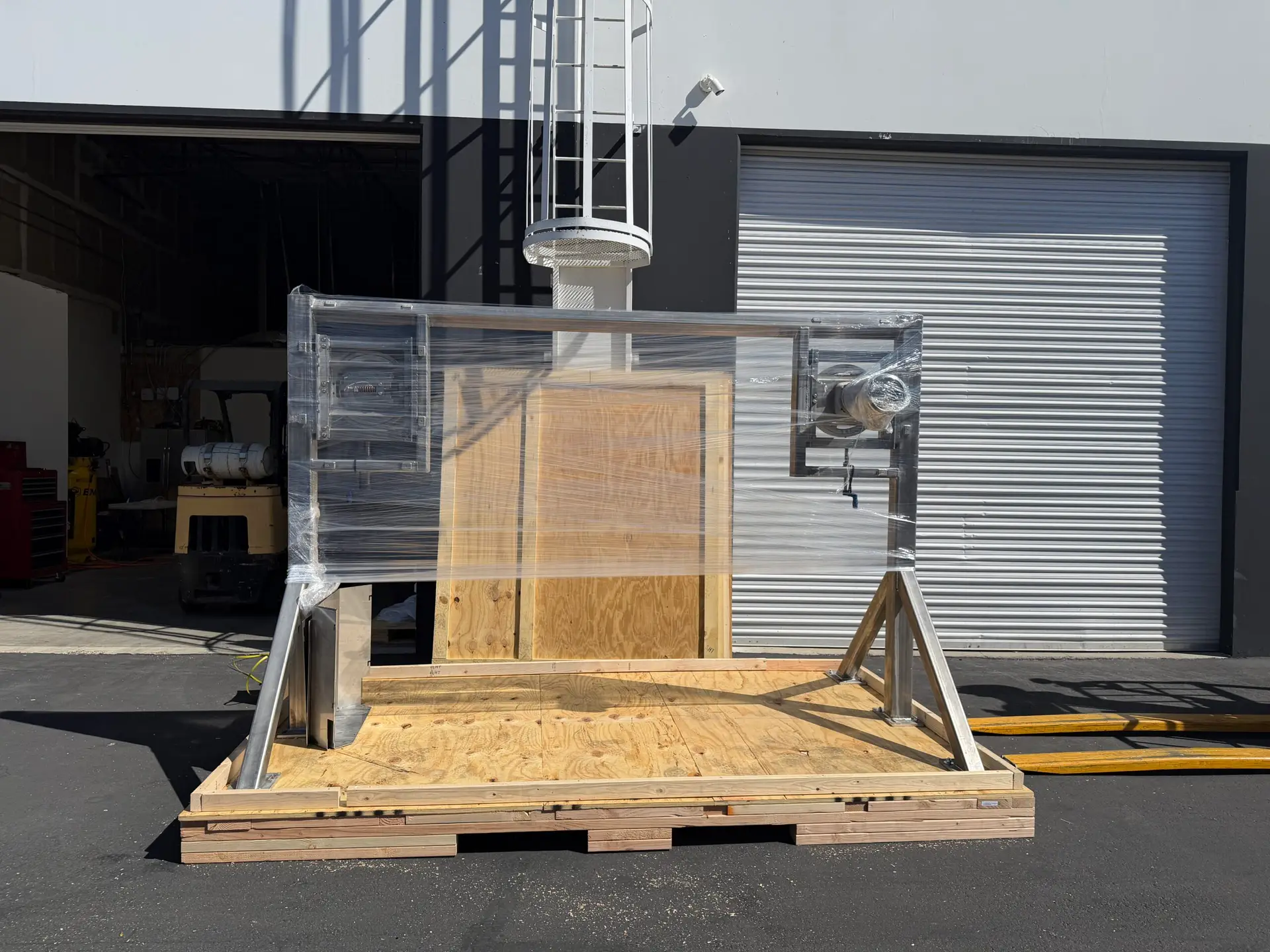
Heavy machinery crating begins with understanding how the machine can be supported and moved. Dimensions matter, but the verified weight, weight distribution, permitted support points, and transport preparation instructions are equally important inputs.

A custom crate or base can help organize the protection around those requirements. The design should be coordinated with the people responsible for machinery preparation, loading, freight, and unloading.
Assess the Machine Before Selecting Packaging
Provide the make and model, current configuration, measured dimensions, and reliable weight information. Accessories, attached tooling, and removable assemblies can change the transport envelope. Identify control panels, exposed shafts, fragile covers, and other areas that need protection or clearance.
Obtain the manufacturer's instructions for transport preparation, approved support points, and any restraints or dismantling. Assign preparation to an appropriately qualified equipment specialist. A crate builder should not have to guess whether an assembly can carry a load or whether the machine is ready to move.
- Record the machine's weight and the source of that information.
- Identify approved supports and any known center-of-gravity information.
- List detached parts, tools, and documents that will travel separately.
- Confirm whether the intended shipping mode introduces special restrictions.
Plan the Base, Structure, and Interior Protection Together
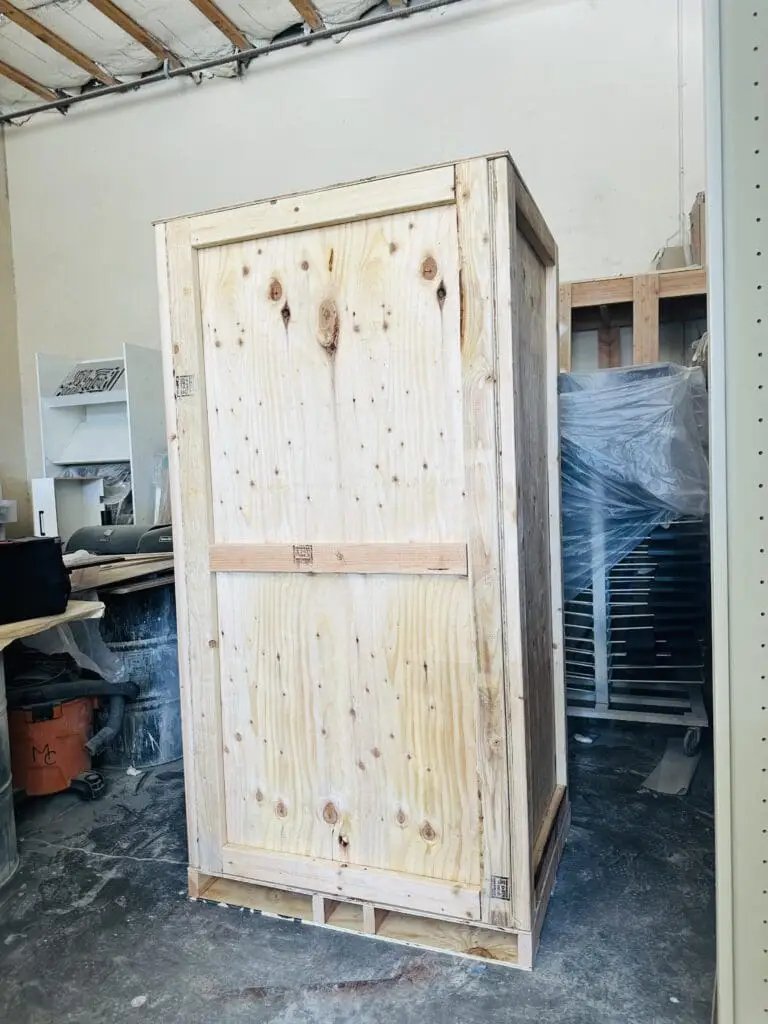
The base and supports must suit the machine and the proposed handling method. Outer panels alone do not secure a heavy load. Discuss how the structure will support the item and how its restraints will work without loading fragile or unsuitable parts.
Cushioning, barriers, and covers may be appropriate for particular surfaces or components. They need to be selected as part of the design rather than added as a substitute for adequate support. Ask how the package will address the expected route and storage conditions, especially if corrosion or environmental exposure is a concern.
Coordinate Lifting and Site Access
The completed package needs a workable loading and unloading plan. Verify access through doors and aisles, the receiving site's equipment, and the space available for unpacking. Share the final packed dimensions and weight with the carrier and the handling teams.
Have the responsible qualified lifting team specify the method and suitable equipment for the actual load. Do not assume a crate panel, fork opening, or visible fitting is an approved lifting point. OSHA's qualified-rigger guidance emphasizes that competence depends on the particular load, lift, and equipment.

Check Export Requirements Separately
For international shipments, establish whether the destination requires ISPM 15 treatment and marking for the wood packaging. The APHIS export guidance is a starting point for that discussion.
Wood-packaging compliance does not establish the machine's structural support, cargo admissibility, or complete shipping compliance. The freight forwarder or other responsible specialist should review the equipment, route, documentation, and any unusual contents or restrictions.
Plan for the Receiving Team and the Next Move
A manufacturing machine, a precision component, and a piece of construction equipment may need very different packaging approaches. Use the specific machine and transport conditions to decide whether a full crate, a protected skid, or another professional arrangement is appropriate.
Provide an inventory and agreed opening instructions to the destination team. Confirm who removes restraints and who inspects or recommissions the machinery. If repeat shipments are expected, discuss reusable access and inspection needs from the start. Compare total scope and risk rather than assuming that one crate design guarantees lower shipping costs.
PLAN YOUR CRATING
Request a Machinery Crating Assessment
Send Crates of Las Vegas the equipment details, weight, dimensions, photographs, destination, and proposed schedule. Include manufacturer transport guidance and the available handling equipment at both sites.
Request a custom crating quote and confirm the responsibilities for machinery preparation, crating, lifting, and freight before the work is scheduled.
Request a Crating QuoteMORE CRATING GUIDES