
LAS VEGAS · HEAVY EQUIPMENT
Custom Heavy Equipment Crates Guide | Crates Of Las Vegas - Custom
Transporting oversized industrial machinery calls for a package and handling plan suited to its weight, shape, and sensitive components. Equipment used in manufacturing, aerospace, construction, and energy can be costly to repair or replace, and transport damage may interrupt the project it supports.
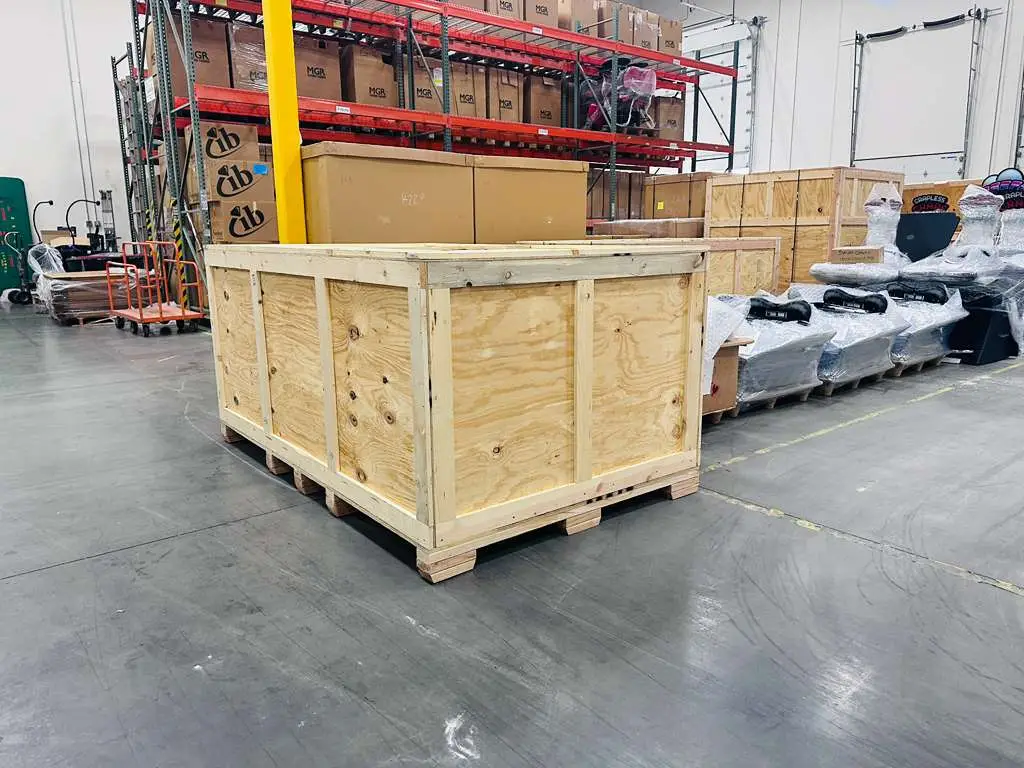
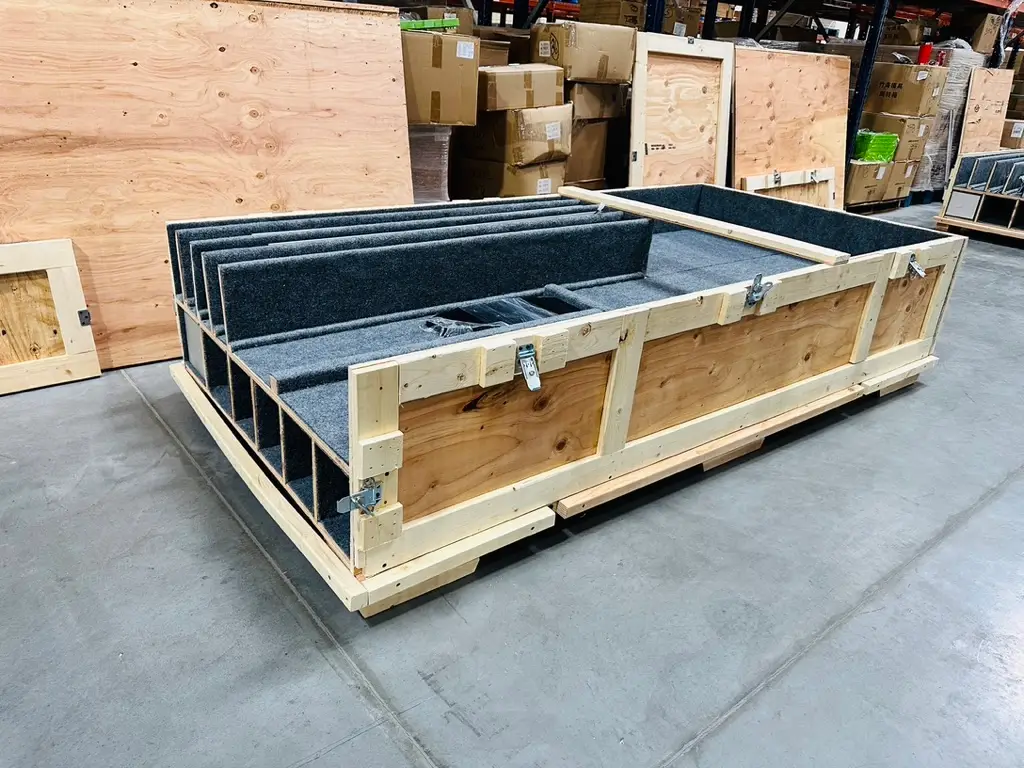
Heavy equipment shipping crates combine structural support with internal restraint and any protective materials required by the route. A useful design begins with the equipment's specifications and continues through loading, transport, unloading, and recommissioning.
For machinery moving from Las Vegas, confirm site access, the finished package dimensions, the carrier's requirements, and the receiving arrangements before fabrication. The crate and transport plan need to work together.
Engineering Fundamentals of Heavy Equipment Crates
A heavy-duty crate must carry the load through suitable supports and connections. The base, framing, panels, and any metal reinforcement serve different functions; the material description alone does not establish the package's load capacity.
Start with verified equipment weight, dimensions, center of gravity where known, and approved support and lifting points. Identify components that cannot carry restraint pressure and any manufacturer-required shipping fixtures. Account for the additional weight of the crate and its packing materials.
Lifting provisions must match the intended handling method. Fork entries, skids, and any engineered lifting attachments should be positioned and sized for the package and the equipment used to move it. Confirm restrictions on lifting, orientation, and stacking and communicate them clearly.
Internal bracing limits unwanted movement. Where equipment sensitivity warrants it, selected cushioning or isolation can help reduce transmitted shock and vibration. These elements should be designed together rather than combining rigid restraints and soft materials without understanding how they interact.
Specialist structural review or testing may be appropriate for some loads. Agree on what is required and obtain the relevant design or inspection documentation instead of assuming every custom crate has undergone the same engineering process.
Best Practices for Oversized Item Protection
Balance the Load and Reinforce the Base
The package needs to support the machine at appropriate structural points and maintain stability through the planned handling sequence. Uneven loads or a high center of gravity can change how the crate must be supported and moved.
Reinforced bases, cross-members, brackets, and bracing may be used when specified for the equipment. Avoid improvised attachment to sheet-metal guards, piping, wiring, or other parts that are not designed to restrain the load.
Prepare Moving and Sensitive Assemblies
Follow the equipment manufacturer's transport instructions for axes, spindles, removable modules, and loose accessories. Preparation or disassembly should be handled by qualified personnel, with parts and temporary restraints identified for reinstallation.
Precision instruments and electronic assemblies may need different protection from the main machine frame. Cushioning should be selected for its intended load and the equipment's sensitivity; a foam-filled crate does not automatically provide suitable vibration isolation.
Plan Environmental Protection
Humidity, condensation, dust, and other exposures can affect machinery during storage and transit. Discuss compatible barriers, desiccants, corrosion protection, and wraps according to the route and manufacturer requirements.
An ordinary crate is not a controlled environment. Temperature-sensitive cargo may need suitable transport and storage conditions in addition to packaging. A generator or similar machine also needs a manufacturer-approved shipping plan; do not treat a crate as an enclosure in which the equipment can operate.
Coordinate Logistics Early
Give the carrier the packed dimensions, gross weight, lifting information, and any restrictions before scheduling pickup. Confirm the loading and unloading equipment, route, delivery appointments, and responsibilities for specialist rigging.
The carrier must also secure the crate or equipment appropriately on the vehicle. The FMCSA cargo-securement rules include general and cargo-specific requirements; not every industrial machine falls into the same category as wheeled or tracked heavy equipment.
What Industrial Crating Services Should Coordinate
Different equipment types require different packing plans. CNC machines may need model-specific shipping restraints; generators and other industrial equipment may need preparation addressing fluids, batteries, or other components. Use the manufacturer's instructions and qualified service personnel rather than a general crate description to determine those steps.
On-site fabrication may be useful where moving an unprotected load to a packing facility would add handling. Confirm available working space, access, lifting support, and the sequence of preparation and crating before arranging the visit.
For exports, coordinate the crate's wood-packaging requirements with the destination and freight team. USDA APHIS guidance describes compliant sourcing of regulated wood packaging. Treatment and marking address wood-pest risk; they do not establish structural capacity or replace the shipment's customs documents.
Clarify the provider's scope in writing. Crate fabrication, equipment servicing, rigging, freight booking, customs brokerage, and reinstallation may be separate services supplied by different parties.
Common Risks and How Packaging Helps
Shock and Uneven Support
Handling contact or unsuitable support can create local stress on the machine. A purpose-built base and compatible protective materials help manage that exposure when the crew follows the intended handling method.
Cargo Movement
Loose equipment or unsecured accessories can shift inside a package. Internal bracing and restraints should hold the intended position without damaging the equipment. The receiving team needs instructions for removing those supports in a safe sequence.
Environmental Exposure
Moisture and contaminants can affect unprotected surfaces and sensitive assemblies. Select protection for the expected trip and storage duration, and inspect the package if that plan changes. Packaging cannot compensate indefinitely for unsuitable storage conditions.
Operational Disruption
Good preparation aims to reduce avoidable damage and rework. Document the pre-shipment condition and completed packing, plan the receiving inspection, and confirm who will carry out reassembly or calibration. Do not assume the equipment is ready to operate as soon as the crate arrives.
Design for International Transport and Reuse
Coordinate the finished package with the carrier's container, flat-rack, or vehicle plan. Efficient space use matters, but the crate must retain the support, clearance, and handling access the load needs. Check legal size and weight requirements for the actual vehicle and route using the relevant authorities, including Nevada's over-dimensional permit information.
Reusable crates can support repeat shipments when their condition, supports, and packing instructions remain suitable. Inspect them before each move and have repairs or changed export requirements reviewed by the provider.
A well-coordinated plan may help control damage-related costs and handling delays. It does not by itself guarantee a lower insurance premium, a particular return on investment, customs clearance, or on-time delivery.
PLAN YOUR CRATING
Request a Heavy Equipment Crating Quote
Crates of Las Vegas can discuss custom crates for heavy machinery and oversized industrial equipment. Share the specifications, photographs, manufacturer transport instructions, route, and site-access details to help define the required packing scope.
Contact Crates of Las Vegas to request a quote and coordinate your heavy equipment crating requirements.
Request a heavy equipment quoteMORE CRATING GUIDES