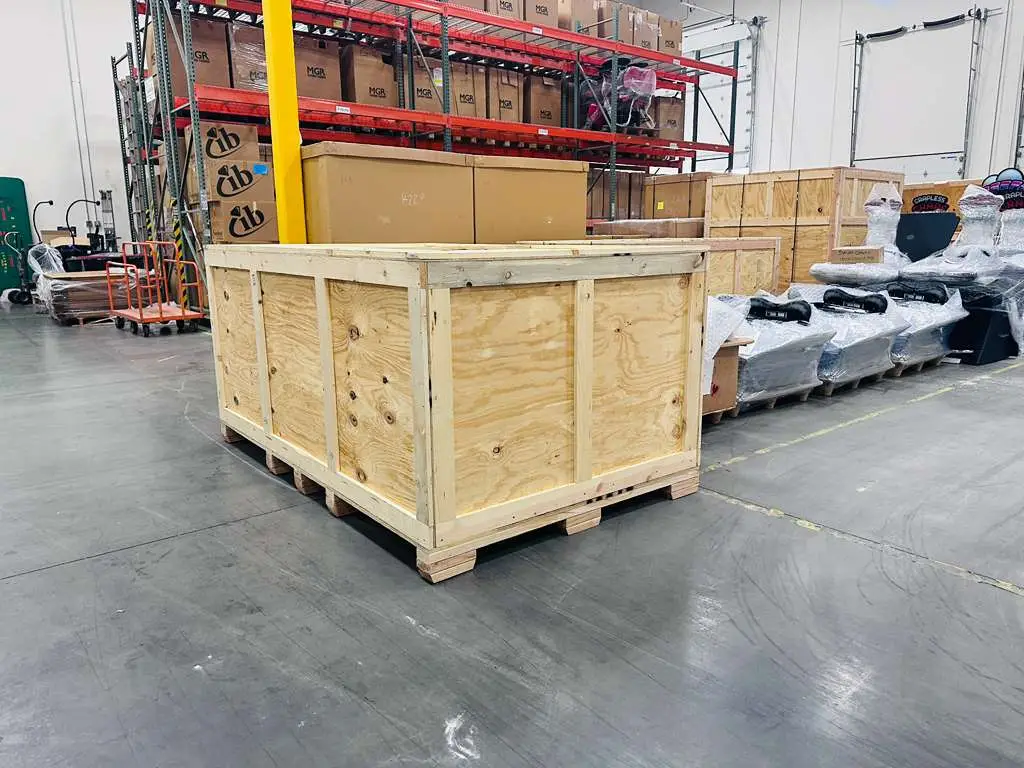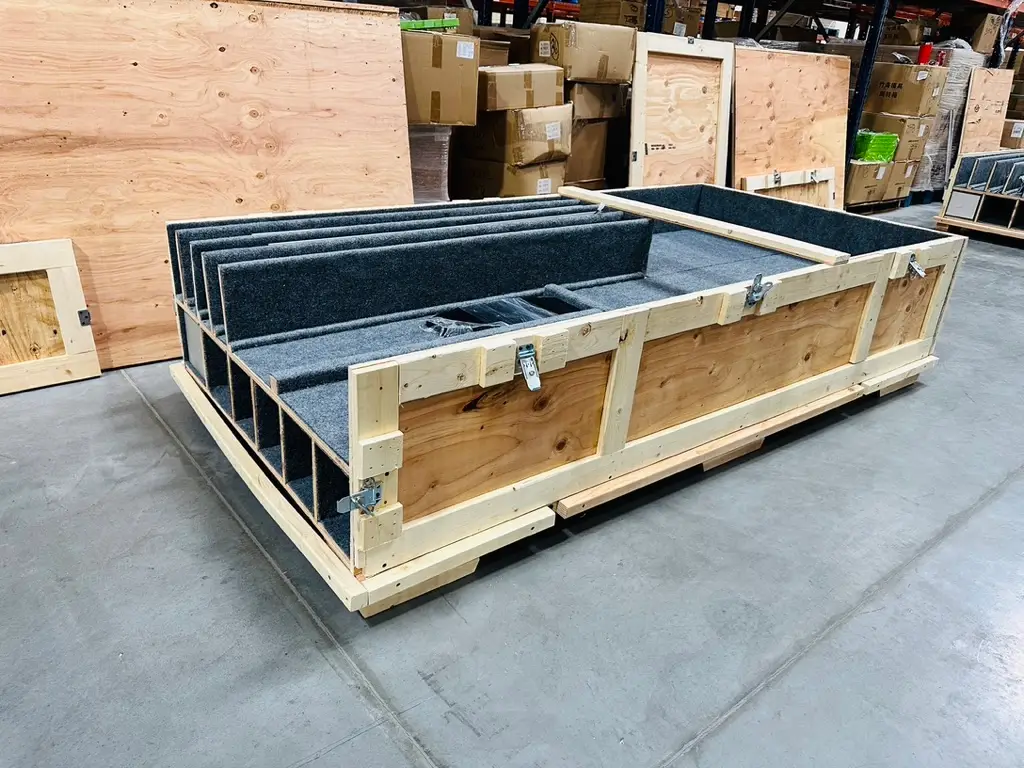
Export wood packaging
Global Export Crating Standards Explained: An ISPM 15 Guide
ISPM 15 is an international standard for reducing the spread of plant pests through wood packaging used in international trade. For an exporter, the practical task is to identify which packaging materials are regulated, obtain the appropriate treatment and marking, and check the destination's requirements before shipping.
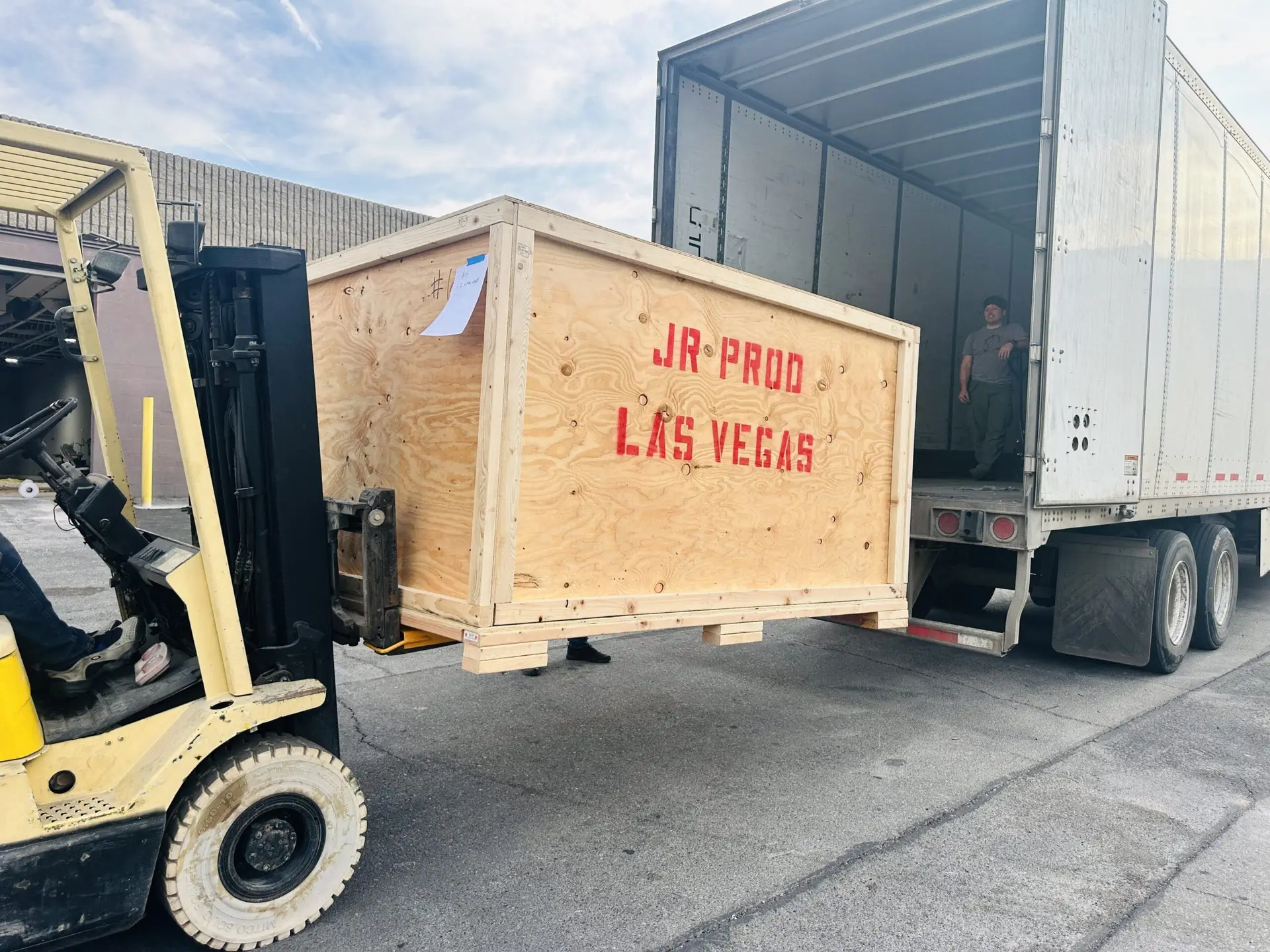
The standard concerns wood packaging, including crates, pallets, and dunnage. It does not certify the goods inside, establish a crate's load capacity, or complete customs clearance. This guide explains the main checks for businesses preparing an export shipment from Las Vegas.
Understand the purpose and scope of ISPM 15
ISPM 15 stands for International Standard for Phytosanitary Measures No. 15. The standard is adopted through the International Plant Protection Convention framework and implemented by national plant protection organizations.
Raw-wood packaging can carry pests beyond their native range. Treatment and marking help reduce that pathway. The IPPC's official description makes an important distinction: the measures reduce pest risk but do not provide ongoing protection against later contamination or infestation.
That means a treated crate still needs appropriate storage and inspection. A visible mark should not be treated as permission to ignore signs of pests, contamination, or damage. The crate's structural condition must also be assessed separately.
Check which parts of the package are regulated
Review the whole package, including the pallet or skid, runners, framing, bracing, and loose dunnage. A crate with plywood panels can still contain regulated solid-wood components.
Packaging made entirely from qualifying processed wood, such as plywood or oriented strand board, may fall outside the standard. Thin wood of 6 mm or less is another exemption described in official guidance. The material and construction matter more than the product's name. See the Canadian Food Inspection Agency's wood-packaging program guidance for examples of regulated and exempt materials.
Ask the supplier to identify any regulated parts before the crate is built. If the design includes a mix of materials, do not assume that the exemption for one panel extends to the entire assembly. Confirm destination-specific interpretation with the responsible authority or broker.
Understand approved treatment methods
Regulated packaging must meet the applicable debarking, treatment, and marking requirements. Treatment is performed under an authorized program; it is not a task an exporter can certify by applying a homemade stamp.
Conventional heat treatment
For the conventional heat-treatment method associated with the HT code, the wood must reach at least 56°C throughout its profile, including the core, for at least 30 continuous minutes. This refers to the wood temperature, not simply a kiln's air setting. The CFIA's heat-treatment guidance explains that facilities use approved schedules or evaluated processes to achieve the requirement.
Heat treatment for phytosanitary purposes does not by itself establish a specified moisture content or permanent resistance to pests. Keep those questions separate when selecting wood and protective packaging for moisture-sensitive cargo.
Other treatment methods
The standard also includes dielectric heating and approved fumigation methods. The CFIA's entry requirements list conventional heat treatment, dielectric heating, methyl bromide, and sulphuryl fluoride among the accepted methods under ISPM 15.
Each method has its own technical requirements and treatment code. Availability and acceptance must be checked through the relevant national program and destination rules. A crate buyer should use an authorized provider rather than trying to choose or apply a chemical treatment independently.
Verify the official mark and its source
The official mark connects the packaging to its authorized treatment or production process. It includes the IPPC symbol, country code, a unique producer or treatment-provider code, and the treatment code. Inspect the finished packaging rather than relying only on a verbal description of the lumber.
For a U.S. export package, ask the supplier how the crate is produced and marked under an accredited program. USDA APHIS explains the U.S. export options, including purchasing compliant marked packaging or having unmarked packaging treated and marked through a registered facility. Applying your own ISPM 15 mark is not permitted.
Keep marks legible and unobstructed. Do not cover them with shipping labels or wrapping without arranging for the necessary inspection visibility. If a code or mark is unclear, ask the supplier to resolve it before dispatch.
For shipments entering the United States, APHIS resumed enforcement of the hyphen separating the country code and producer code on January 1, 2026. Its marking notice is a reminder that the details of the official mark matter.
Distinguish the mark from a phytosanitary certificate
A separate phytosanitary certificate is not routinely issued by APHIS for wood packaging used to carry other commodities. APHIS states that it does not issue such certificates for that use; packaging shipped as the commodity itself is a different situation. See the certificate question in its U.S. export guidance.
Do not substitute a supplier's generic certificate for the official marking requirements. If a customer asks for a certificate, clarify exactly what document is needed, for which goods, and under which destination requirement. Plants, plant products, or other regulated contents may have documentation requirements separate from the crate.
Keep the crate supplier's details and the relevant purchase or treatment records with your shipment records. These can help answer questions, but the exporter and broker still need to check the required documents for the cargo itself.
Check destination rules and reused packaging
Review the importing country's current requirements before ordering. International shipments do not all follow an identical set of exceptions or procedures, and a return journey may involve a different set of entry requirements.
For a reused crate, inspect its condition, cleanliness, marks, and any replacement wood. Ask the supplier to assess repairs or remanufacturing before shipping. An old mark should not be assumed to cover alterations made outside the authorized process.
- Identify the destination and any transit countries relevant to the shipment.
- Review the complete package, including loose dunnage.
- Confirm which provider is responsible for treatment and official marking.
- Resolve unreadable marks or uncertain repairs before pickup.
- Check cargo documentation separately with the broker or forwarder.
- Photograph the finished package and marks for your records.
These checks reduce avoidable uncertainty. They do not guarantee clearance, because authorities also review the shipment's contents, documentation, and condition.
PLAN YOUR CRATING
Discuss export crating for your shipment
Give Crates of Las Vegas the destination, item dimensions and weight, photographs, transport method, and required shipping date. Include any packaging instructions from the importer, broker, or receiving facility so the applicable requirements can be reviewed before construction.
Contact Crates of Las Vegas to discuss your export crate and the treatment and marking information needed for its route.
Discuss your shipmentMORE CRATING GUIDES