

Crates of Las Vegas Journal
Lower-Waste Shipping with Custom Crates
A lower-waste shipping plan considers the package’s full life: construction, transport, reuse and eventual recovery. Custom crates can support that plan when their design matches the item and there is a practical way to keep them in use.
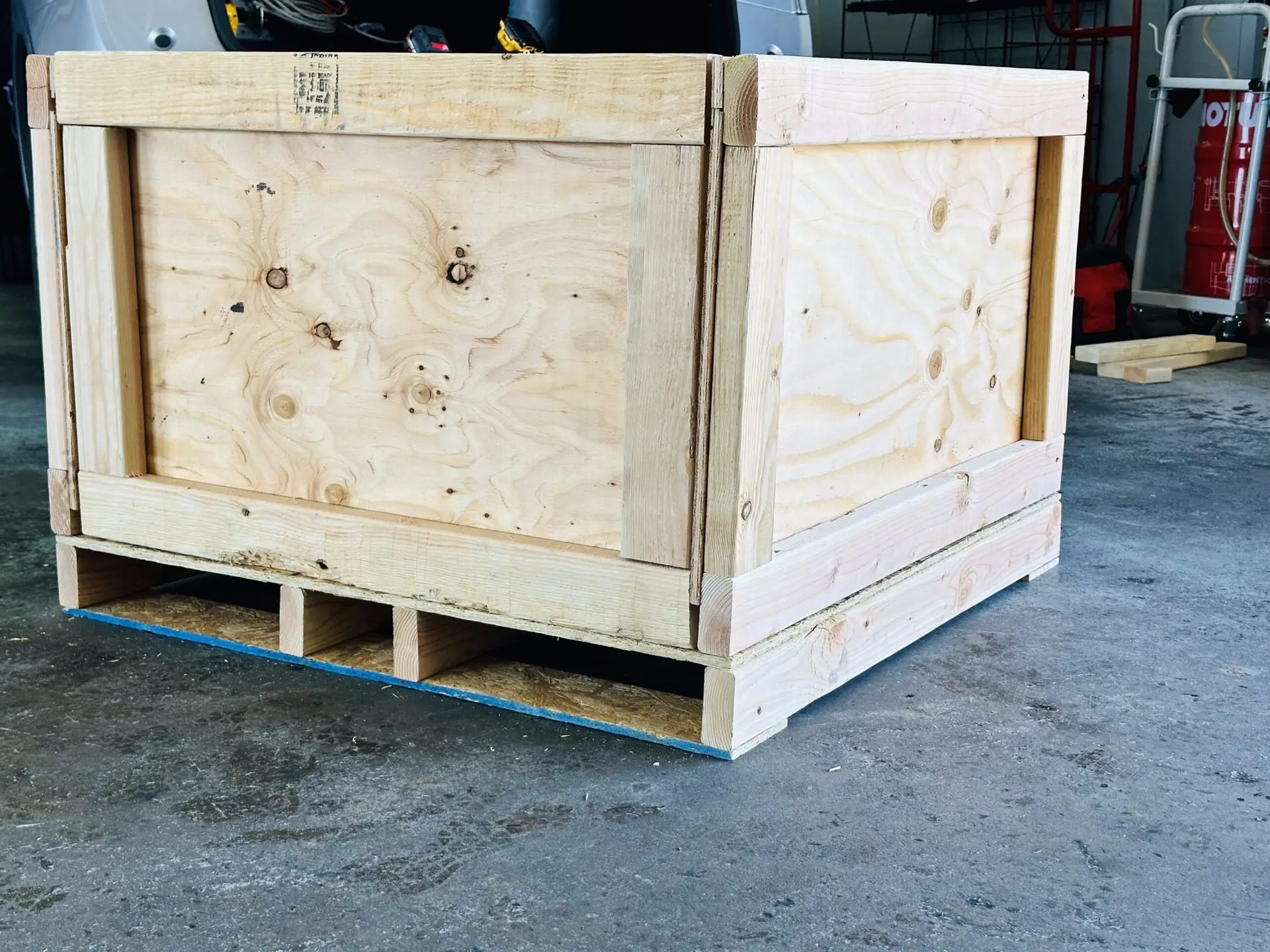
For Las Vegas businesses shipping displays, artwork or equipment, start with the route and expected number of trips. A reusable crate is an option to evaluate, not an automatic guarantee of lower cost or environmental impact.
Make repeated use part of the operating plan
A crate must be recovered, stored and inspected if it is to replace new packaging on later trips. Identify who takes responsibility at each event or delivery location, and include the empty return route in the plan.
Record the packing layout and keep removable parts together. Check the crate before reuse and reassess it when the contents change. Calling packaging reusable is less meaningful than knowing how many suitable journeys it actually completes.
Ask specific questions about materials
Request documentation if responsible wood sourcing or recycled content is important to the project. Consider the entire package, including foam, barriers, coatings and hardware, rather than judging sustainability from the outer panels alone.
Do not treat “chemical-free” ISPM 15 wood as a purchasing specification. ISPM 15 concerns approved treatment and marking for pest-risk management, not a general chemical-free or sustainability certification. Confirm the actual material and treatment requirements with the provider.
Compare costs across a realistic service life
Construction cost may be spread over several trips, but return freight, storage and repairs still have to be paid. Estimate the likely number of uses and compare the total with suitable alternatives for the same shipments.
For a display that changes frequently, replaceable inserts may be worth discussing. For a one-way installation, recovery may be impractical. A useful design reflects those realities rather than promising the same savings to every customer.
Evaluate transport efficiency without assuming emissions savings
Right-sizing may remove unused volume, while adequate cushioning and supports still require space. Wood and hardware also add weight. Use the final packed dimensions and weight to compare transport options.
Modular or knock-down designs may help some return routes, but they need to remain suitable for the load and packing process. Ask whether such features are available for the project. Quantified carbon reductions require route and material data; a smaller crate alone does not establish them.
Make environmental communication verifiable
The EPA’s waste hierarchy places reduction and reuse ahead of recycling. Describe concrete actions that follow that approach, such as recovering a crate for another event, rather than making a broad claim that the package protects the planet.
- Track completed trips and repairs.
- Record replacement materials and their purpose.
- Confirm local recyclers accept the actual materials.
- Keep sourcing documentation where a claim depends on it.
- Review whether the reuse route remains practical.
Specific records are also more useful to customers who ask how the packaging decision was made.
PLAN YOUR CRATING
Discuss a lower-waste crate design
Contact Crates of Las Vegas with the item specifications, shipping route and planned reuse cycle. Ask which design and material options can be confirmed and what evidence supports any environmental attributes in the proposal.
Discuss Your Crating ProjectMORE CRATING GUIDES




