


LAS VEGAS · CRATING GUIDE
Lower-Waste Choices for Custom Wood Crates in Las Vegas
A custom wood crate can be part of a lower-waste shipping plan when its design fits the item and its next use is clear. The useful question is how the complete package will perform over its life, from construction through delivery, possible reuse and eventual recovery.
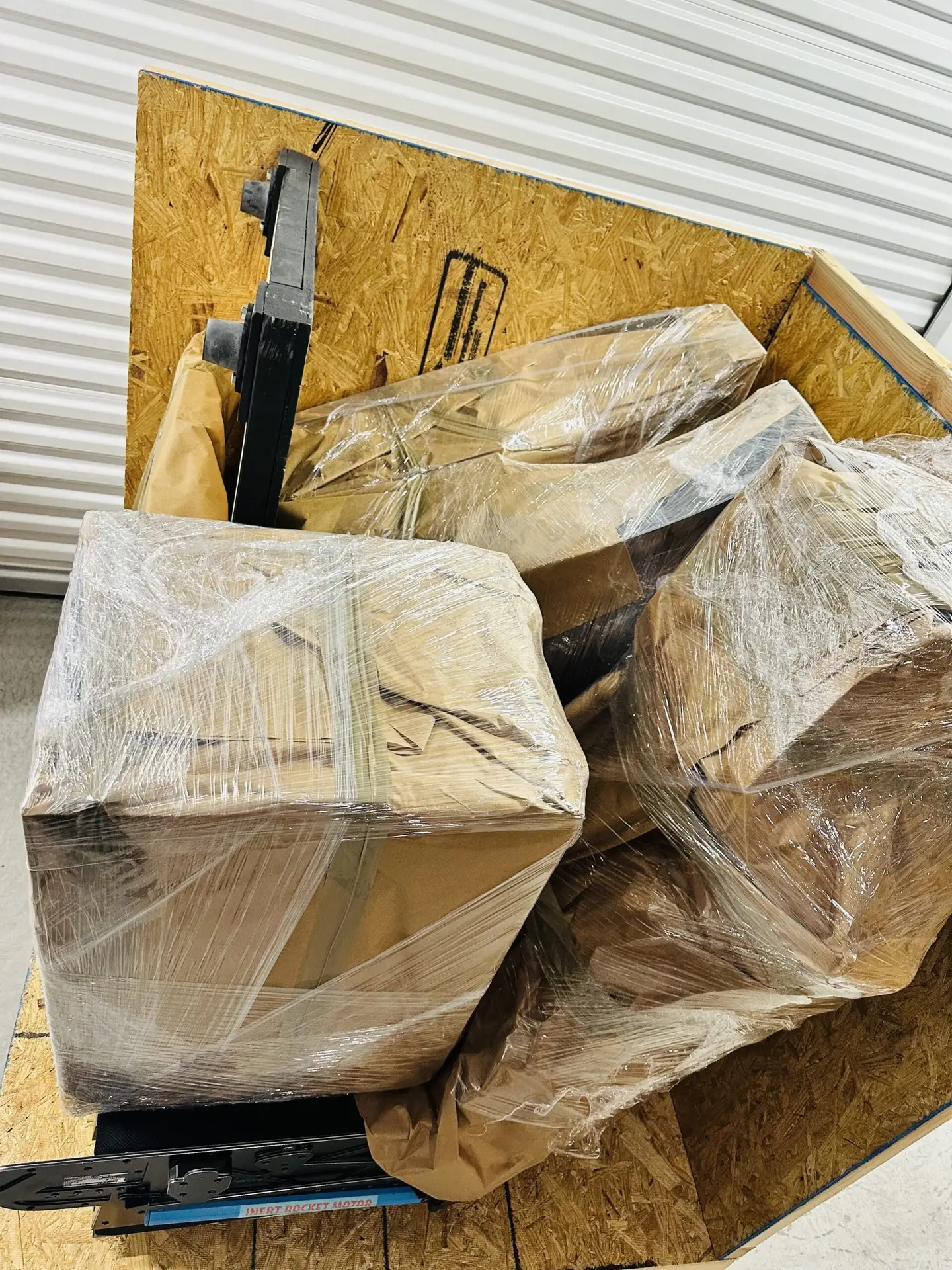
For a Las Vegas project, start with the actual shipment rather than assuming wood is always the greener option. Cargo protection, crate weight, return distance and the recipient's disposal options all affect the decision.
Right-size the package around real protection needs
Measure the item in its shipping configuration and identify the supports, clearance and cushioning it needs. A custom enclosure can avoid space that has no purpose, but removing protective material simply to shrink the crate may create a different problem.
Compare the finished weight and dimensions of proposed options. Ask the provider to explain why the base, panels and internal packing are suitable. The smallest-looking crate is not necessarily the most appropriate package.
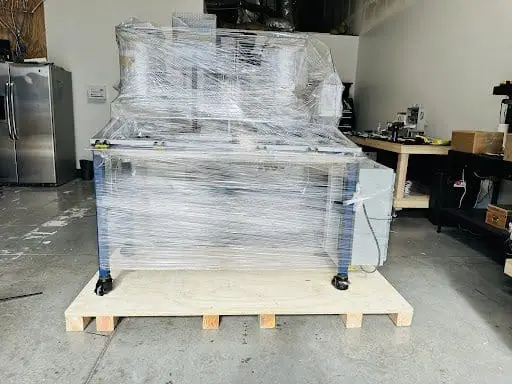
Ask clear questions about sourcing
If sourcing matters to your business, request evidence for the materials proposed for your project. Distinguish a documented supplier claim from a general statement about wood being renewable.
- What materials are used in the structure and the interior?
- Is a sourcing or recycled-content claim documented?
- Does the claim cover the whole package or one component?
- Can the materials be separated at the end of use?
- Will the recipient's local recovery service accept them?
A photograph of a wooden crate cannot establish responsible forestry, recycled content or a lower carbon footprint. Keep environmental statements as specific as the evidence allows.
Give repeat-use crates a return plan
Repeated equipment moves, trade shows and recurring deliveries may justify a crate designed for reopening. Discuss replaceable parts, durable closures and a packing layout that another team can reproduce.
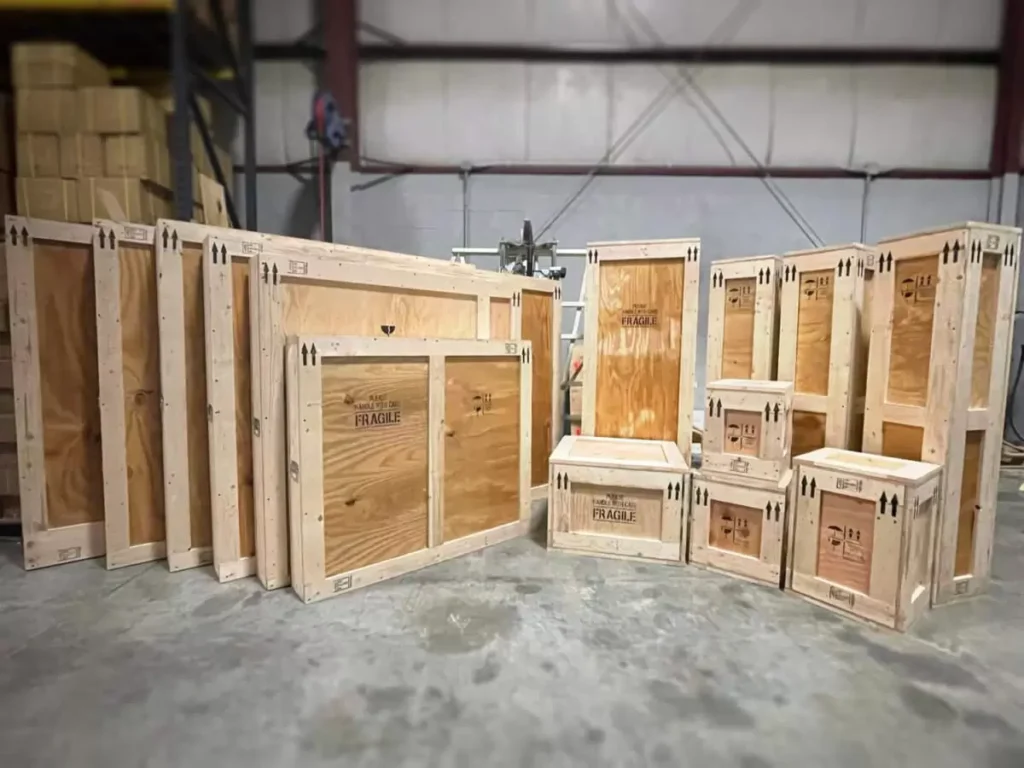
Before ordering, decide who stores the crate, who inspects it and how it gets back to the next packing location. Compare the cost and transport involved with the expected number of uses. For a one-way shipment, a returnable design may add complexity without a realistic return journey.
Keep appearance useful and restrained
Wood's grain and simple form can suit a visible product presentation. A label or modest finish may be enough to communicate the brand. Consider whether extra layers, hardware or decoration will interfere with reuse, repair or separation of materials.
If the crate will become a display, define that use from the outset. Inspect it after shipping and obtain a suitable assessment before using it as furniture or a public-facing fixture.
Plan recovery before delivery
Provide the recipient with a list of packaging materials and instructions on what to keep for a return. Keep reusable supports together and avoid discarding a component that is necessary for the next trip.
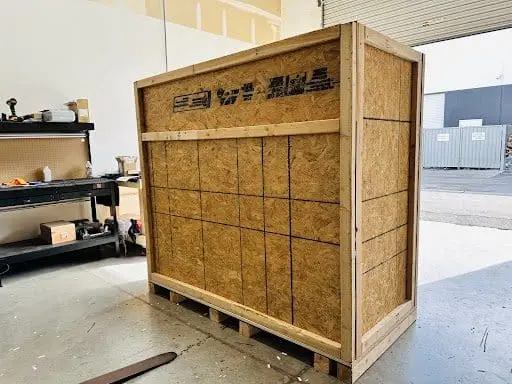
The EPA waste-management hierarchy favors prevention and reuse. When reuse is no longer practical, check local acceptance rules for wood, foam, film and metal parts. The presence of wood does not make the entire package suitable for a single recycling or composting stream.
PLAN YOUR CRATING
Discuss a realistic lower-waste crate
Review wood-crate options with Crates of Las Vegas. Share the cargo details, frequency of shipment and expected crate destination after unpacking so material and reuse choices can be considered together.
Discuss your crating projectMORE CRATING GUIDES




