

Machinery transport
Custom Wooden Crates for Machinery and Equipment Shipping in Las Vegas
Machinery shipping starts with understanding the load. Weight, center of gravity, sensitive assemblies and approved support points all affect how a machine should be packed and handled.
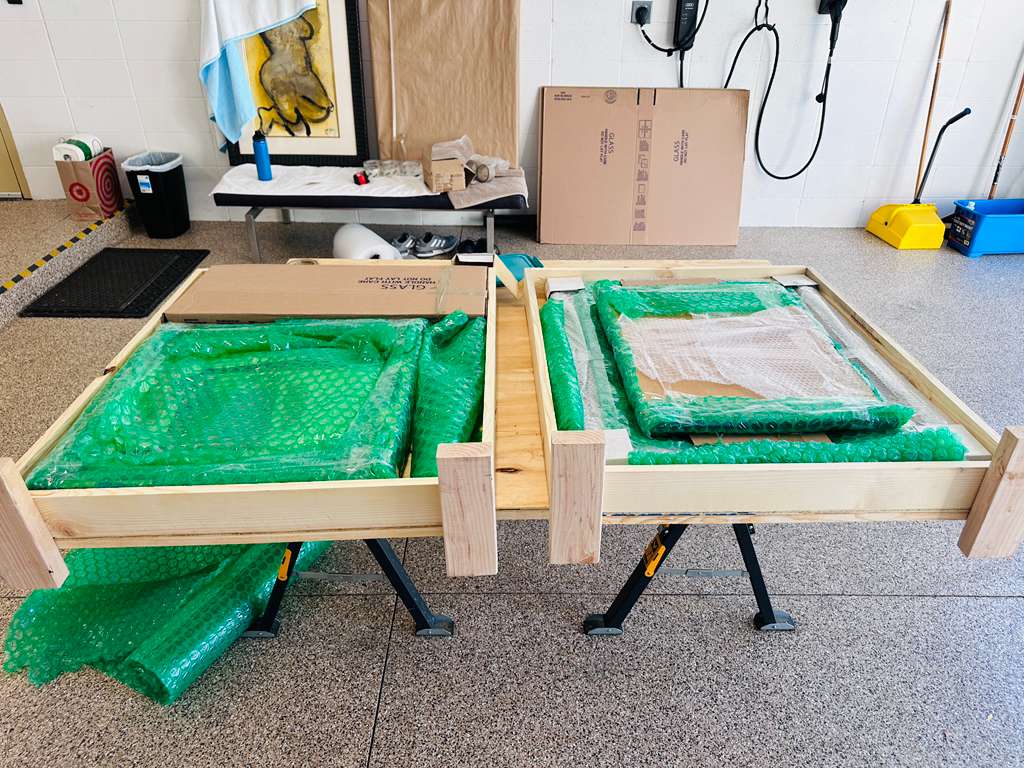
For Las Vegas businesses moving production equipment, HVAC units, instruments or industrial components, a custom wooden crate can combine a load-bearing base with an enclosure and item-specific interior protection. The design should follow the machine's requirements and the planned transport route.
Protecting High-Value Machinery and Equipment
A machine may be heavy without being resistant to shipping damage. Controls, connectors, shafts, panels or internal assemblies can still be vulnerable to impact or unintended movement.
Before packing, gather:
- Confirmed dimensions and weight
- Manufacturer shipping and storage instructions
- Approved lifting and attachment points
- Center-of-gravity information where relevant
- Required transit locks or service preparation
- An inventory of loose parts and accessories
Use that information to decide how the load will be restrained and which areas need cushioning or separate protection. Do not brace against a delicate cover or protruding part simply because it is easy to reach.
Equipment preparation should be assigned to the appropriate personnel. A crate does not replace any required disconnection, mechanical securing or post-arrival checks.
Designing for Loading and Unloading
Plan how the package will move before it is built. A completed crate may be significantly larger and heavier than the machine alone, affecting door access, vehicle selection and handling equipment.
Confirm:
- The collection and delivery access routes
- Available forklifts, cranes, docks or other equipment
- Lifting access and any handling restrictions
- Who will load, unload and remove the crate
- Whether the shipment may be stacked, and on what basis
The FedEx freight packaging guide treats blocking, bracing and forklift access as distinct parts of freight preparation. The final arrangement must suit the actual load and selected transport service.
A label cannot make an unsuitable handling method safe. Clear instructions should describe a design that can actually be handled as intended.
Addressing Exposure and Export Requirements
Machinery may wait at docks, warehouses or job sites during the journey. Identify whether the equipment has temperature, humidity, corrosion or dust-control requirements.
A wooden enclosure should not be assumed waterproof, climate-controlled or adequate for extended outdoor storage. Specify any separate barrier system or controlled transport with the owner or manufacturer, and confirm how long and under what conditions it is intended to work.
For international shipping, assess the actual wood components and destination. The APHIS wood-packaging overview explains the role of treatment and marking for regulated wood packaging. These measures address pest risk; they do not establish machinery protection or customs approval of the contents.
Commercial documents, cargo restrictions and the receiving country's requirements should be reviewed with the forwarder or broker before dispatch.
Reusable Crates and Total Cost
Reusable crates can be useful when the same equipment travels between facilities, projects or service locations. Removable panels, organized hardware and a recorded packing layout can make later trips easier to prepare.
Compare the costs of:
- Initial fabrication and packing
- Freight based on the completed package
- Storage and return transport
- Inspection and repairs
- Changes needed for a different machine or accessory set
Reuse does not automatically lower total cost. A crate that is expensive to return or store may offer less value for a one-time shipment.
Before each trip, check the base, hardware, supports and cushions. Review any alteration for the new load and, where applicable, international wood-packaging status. Confirm actual availability and terms before treating rental as an option.
Organizing Components and Presenting the Shipment Clearly
An orderly package helps the receiving team identify the machine and its accessories. Label separate components and match them to the packing list, while keeping the required shipping information legible.
Include photographs or a diagram showing how the item was secured and which panels should be removed first. Place closure hardware where it can be found for a return trip.
Professional presentation is useful when it supports accurate identification and safe access. Decorative finishes or branding should never obscure lifting instructions or be treated as evidence of structural performance.
Evaluating the Provider's Experience
Ask the provider to explain its experience with comparable machinery and the proposed support and restraint plan. Request clarification on any claimed engineering review, technical qualification or load rating rather than assuming it from promotional language.
Know who will measure, pack and inspect the load, and who can answer questions at the destination. For unusual or high-consequence equipment, involve the manufacturer, rigger or appropriate specialist early.
Confirming Services Beyond Fabrication
On-site packing, collection, rigging, storage and delivery coordination are separate parts of a shipment. Confirm which services are available and included in the written quote.
Also agree on the handovers: when the machine is ready for packing, when the crate can be collected and what the receiving team needs before delivery. A complete schedule should distinguish fabrication, pickup and final arrival.
PLAN YOUR CRATING
Discuss Crating for Your Machinery
Send Crates of Las Vegas the equipment specifications, photos, manufacturer instructions and pickup and delivery details. Request a machinery crating quote that addresses the full load and planned handling sequence.
Discuss your shipmentMORE CRATING GUIDES



