

LAS VEGAS · CRATING GUIDE
Custom Wooden Crates for Storage and Shipping in Las Vegas
A crate intended for storage should be planned around how the contents will be accessed, protected and moved later. For Las Vegas businesses, a custom design can be considered when standard containers do not fit the item or the working process.
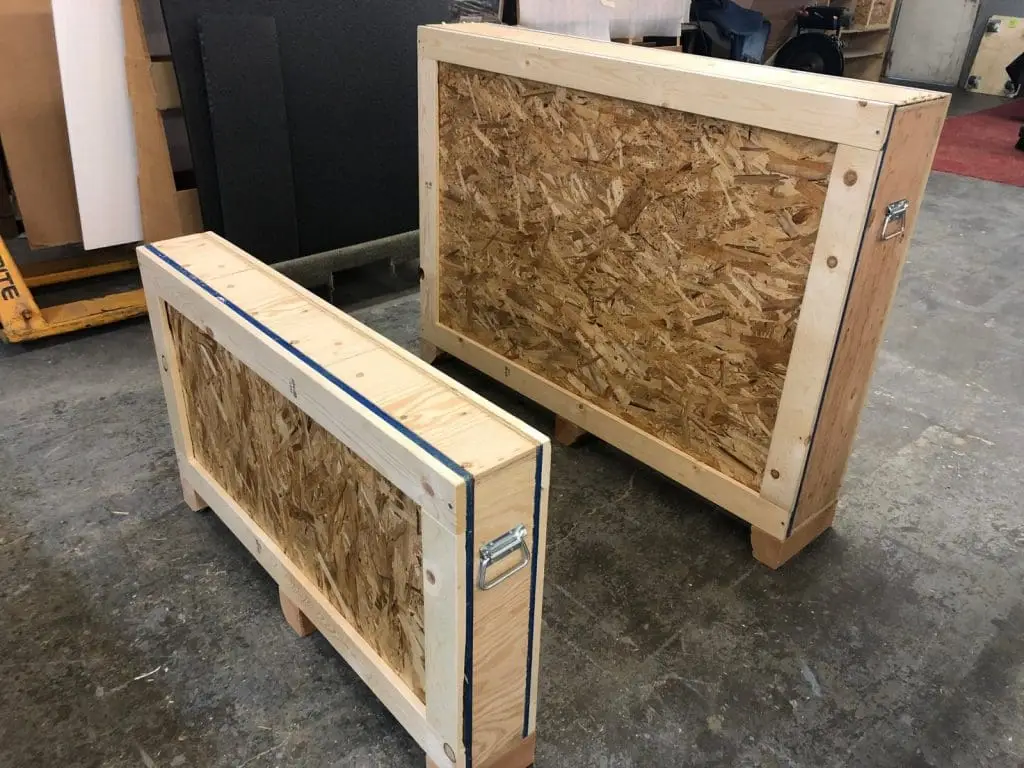
Start by distinguishing long-term storage, regular access and transportation. The same enclosure may be useful for more than one purpose, but those uses need to be included in the design brief.
A long-established approach to packaging
Wood-crate design has a documented technical history. The U.S. Department of Agriculture published its Wood Crate Design Manual in 1964. That record shows that systematic crate design predates today's presentation and branding options.
The practical lesson is to treat a crate as a designed package. Appearance alone does not establish its capacity or suitability. Historical publications provide context; a current project still needs a design appropriate to its cargo, carrier and storage arrangements.
Specify the features needed for storage
List the contents with dimensions and weights, then explain how often they will be accessed. Identify delicate surfaces and any item-specific environmental requirements. Ask how removable parts will be kept together and how the contents will be identified without unnecessary unpacking.
- Confirm the opening method and space needed to use it.
- Keep an inventory linked to the crate identifier.
- Ask about interior organization or protective materials where appropriate.
- Plan access for inspection and movement.
- Verify stacking or shelving suitability rather than assuming it.
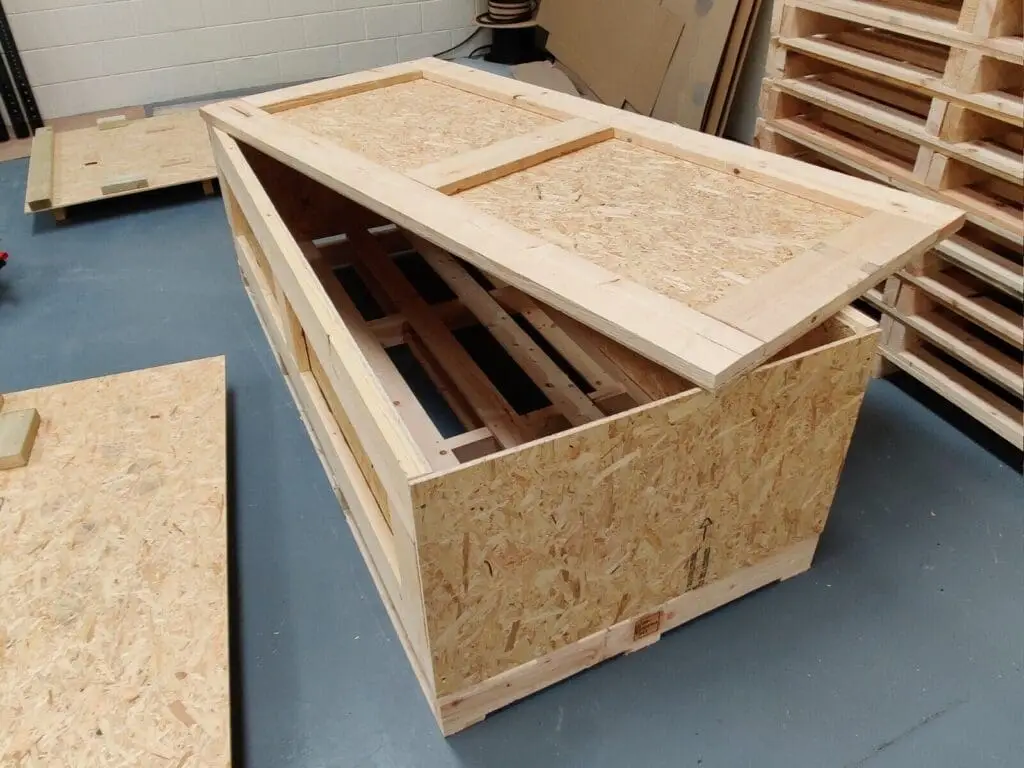
A standard wooden enclosure is not a substitute for climate-controlled storage. Obtain any temperature or humidity requirements from the item's owner or manufacturer and discuss them with the storage provider.
Apply the brief to different Las Vegas uses
For artwork and exhibition components, describe the opening and repacking sequence and involve a conservator where sensitive materials require specialist handling. For equipment, provide the manufacturer's storage and transport guidance. For logistics teams, include receiving access and the future shipping route.
Food-related uses require a separate suitability review. A general freight crate does not establish food-contact suitability, sanitary transport or temperature control. The FDA's food-transport guidance addresses packaging and transport conditions; a food-safety professional should determine the requirements for the actual product.
Use planning scenarios rather than assumed results
Consider a gallery preparing a traveling exhibition. It could ask for identifiable components, an opening plan and a packing reference for the receiving team. Whether that reduces damage or setup time would need to be established from the gallery's own results.
A restaurant assessing containers for deliveries would need to begin with the food product, sanitary requirements and transport conditions. Dimensions that fit a vehicle do not by themselves establish that a crate preserves food quality or safety.
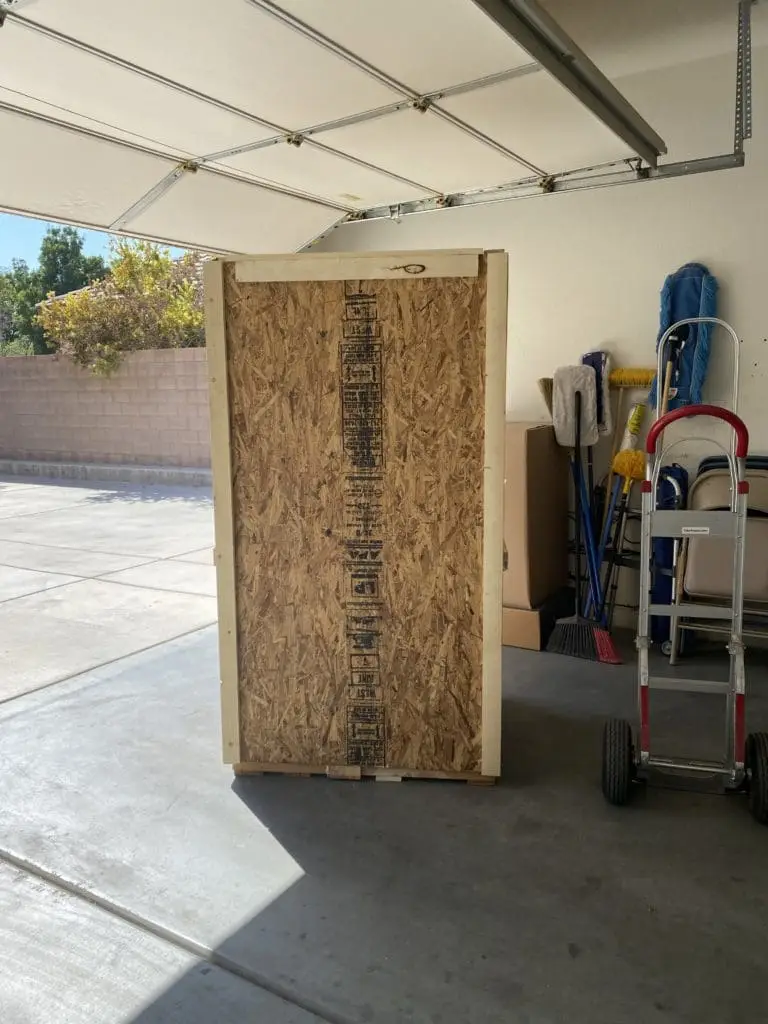
These are illustrative scenarios, not reports of named local clients or measured outcomes. They show how the right questions change with the contents.
Plan inspection and future use
Retain the packing instructions and record the intended load. Inspect the crate before moving it after storage and have any damage assessed. If the contents change, ask whether the original supports and enclosure remain appropriate.
For environmental planning, discuss repair and realistic reuse. Check local recovery options for the separate materials at the end of service rather than assuming all parts can enter the same recycling stream.
PLAN YOUR CRATING
Discuss your storage crate
Send Crates of Las Vegas the item inventory, storage conditions and any later shipping plan. Include access frequency and handling restrictions so the team can discuss a suitable construction and packing scope.
Discuss your crate projectMORE CRATING GUIDES




