LAS VEGAS · CRATING GUIDE
Custom Shipping Crates Near Me: A Buyer’s Guide
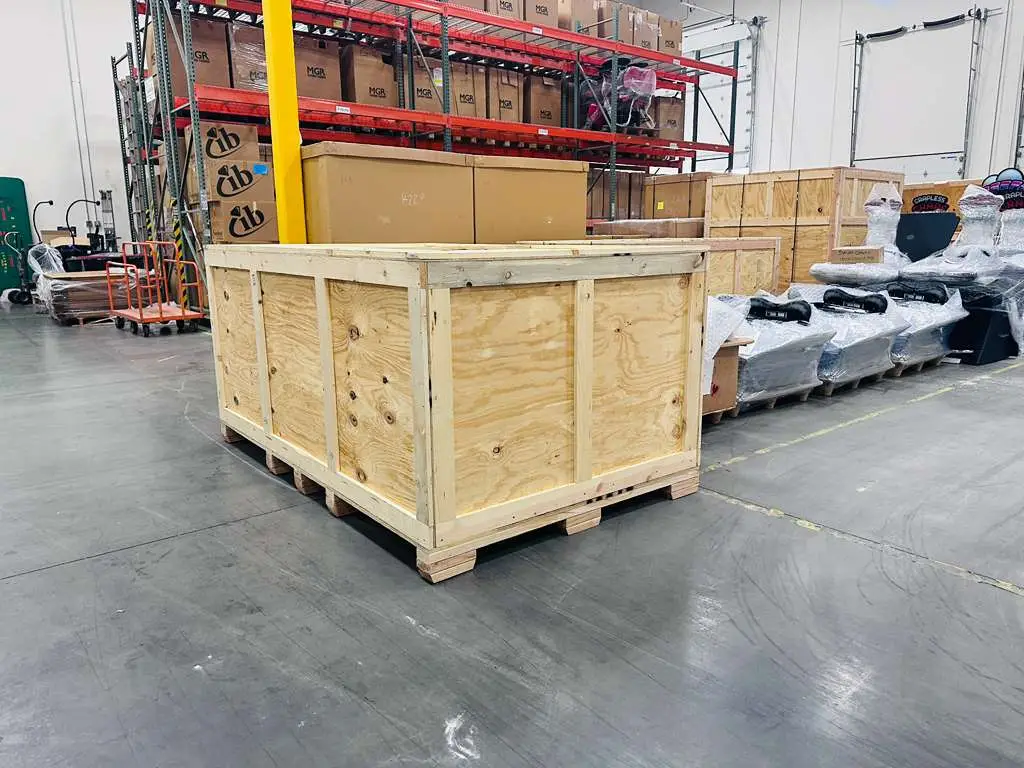
If you’re searching for custom shipping crates near you, start with the item and the journey. Machinery, medical equipment, artwork and oversized commercial freight can need different support, cushioning and handling arrangements, even when their outside dimensions are similar.
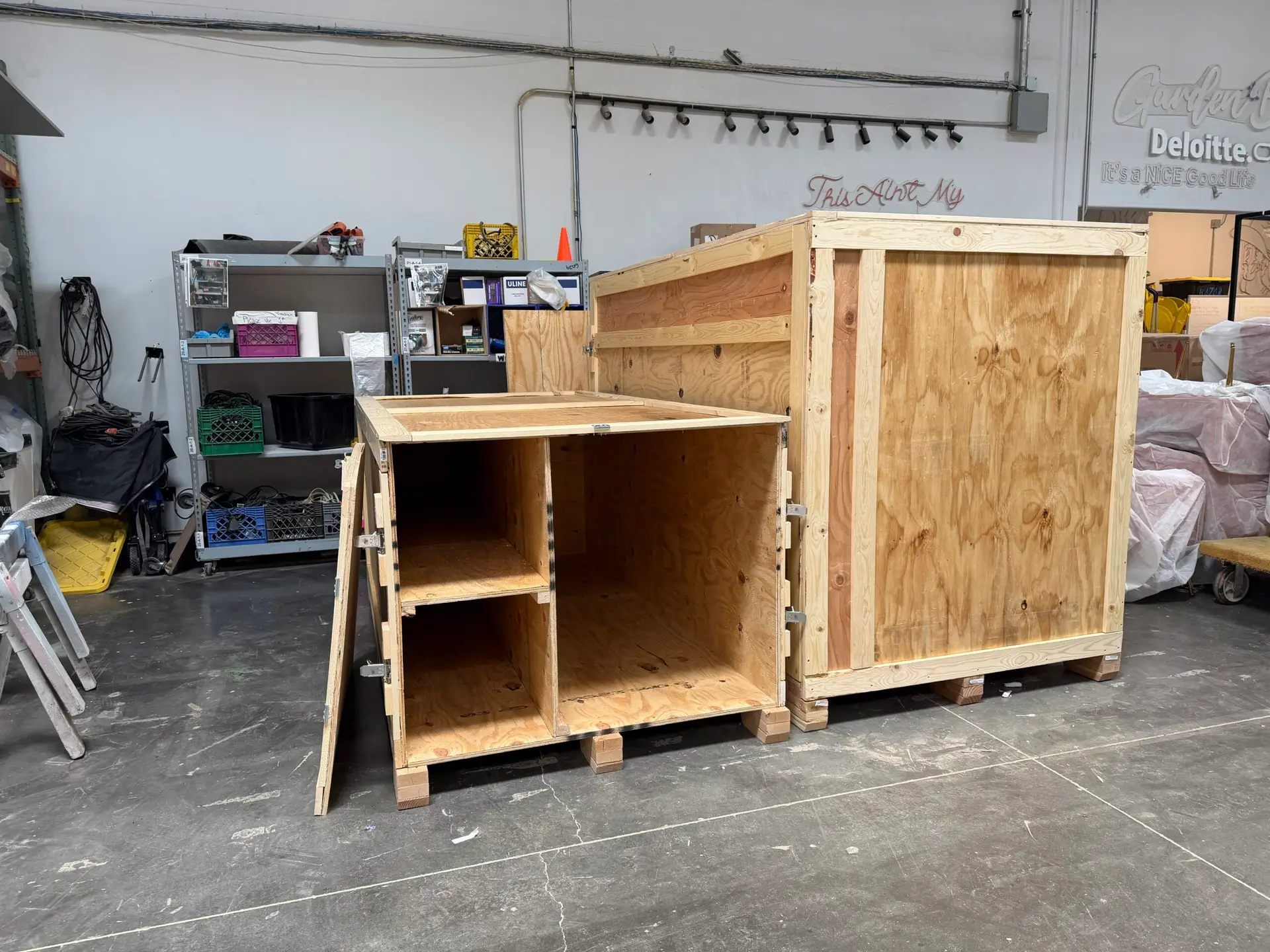
A local crating provider can help assess those requirements before a crate is built. This guide explains what to compare, when onsite crating makes sense, and which details to confirm before approving a quote.
Why custom crating can improve protection
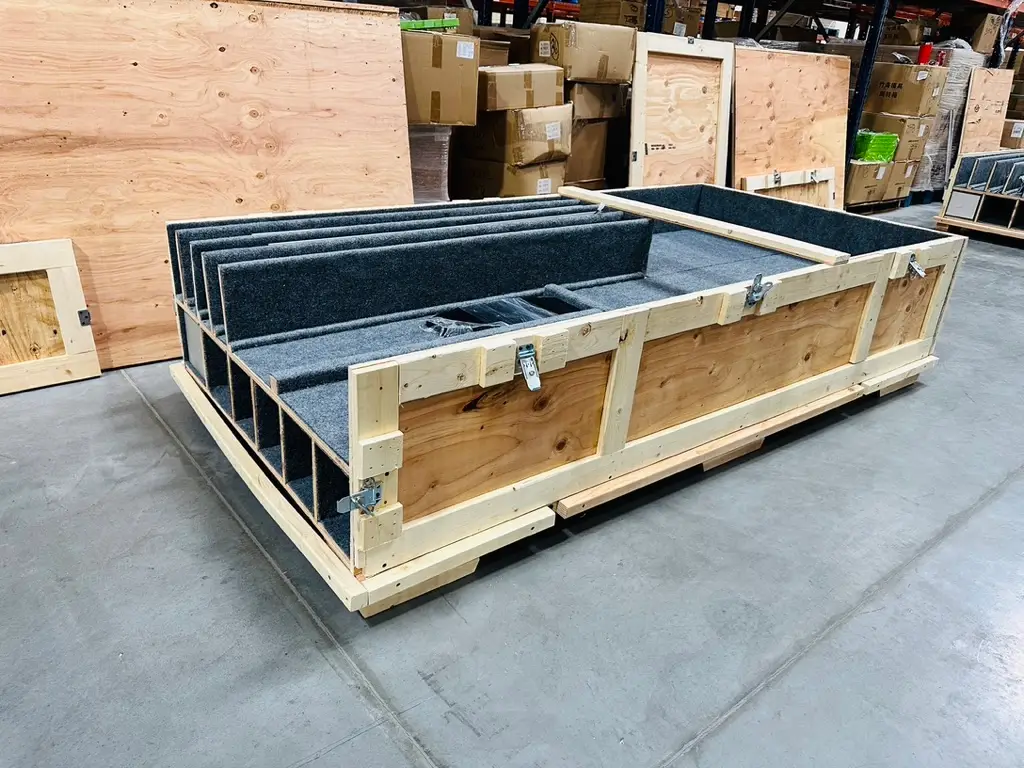
Freight can encounter shocks during loading, vibration on the road, pressure from adjacent cargo and changes in its surroundings. A suitable crate addresses the relevant risks through several parts of the design:
- A base and frame matched to the load, its weight distribution and handling method
- Blocking, bracing or restraints that support strong areas and limit unwanted movement
- Cushioning chosen for the item’s weight and fragility
- Interior clearance that protects protrusions and leaves room for the intended packing
A close fit does not mean pressing the item against the wooden walls. The complete packing system needs space to do its job. A well-specified standard container can also be appropriate when its capacity and interior protection match the shipment.
What a provider should assess
Dimensions, weight and lifting
Supply the item’s height, width, length and weight, plus photographs of all sides. Identify fragile components, a heavy or off-center section, and any manufacturer-approved lifting or securing points. The provider should distinguish item measurements from the finished crate’s outside dimensions and total packed weight.
Base, frame and interior protection
Ask how the base will support the load and how handlers will move the finished crate. For heavy machinery, the equipment manufacturer’s transport instructions may be needed. For electronics or calibrated devices, discuss the required cushioning and any static-protection requirements rather than assuming ordinary foam is sufficient.
Moisture and surface protection
Vapor barriers, desiccants, corrosion-inhibiting materials and exterior wrapping address different concerns. Their suitability depends on the cargo, route and storage conditions. They do not guarantee zero humidity, prevent every form of corrosion or replace temperature-controlled transport when it is required. Sensitive artwork also needs surface-compatible materials.
Onsite crating or packing at a facility?
Onsite crating can reduce the need to move a large or fragile item before it is protected. It may be useful for machinery already positioned in a warehouse or an object that is difficult to move through a building.
Before booking onsite work, confirm access, loading arrangements, available working space and who is responsible for any equipment disconnection or rigging. Do not assume the crating crew’s scope includes specialist handling.
Facility crating can work when the item can reach the workshop safely and the shop can receive and handle it. Confirm who arranges the initial move, how the unpacked item will be protected and whether loading equipment is available at both ends.
Match experience to your shipment
Look for relevant work rather than a long list of industries alone:
- Machinery: load support, approved restraint points and equipment preparation
- Medical and laboratory equipment: manufacturer transport requirements and post-delivery checks
- Art and antiques: condition documentation, finish protection and safe contact points
- Trade show exhibits: labeled components, access hardware and repeatable repacking
Ask the provider to explain a comparable project without expecting another customer’s design to be suitable for yours.
Questions to ask before approving a quote
- Does the quote cover the crate only, or also packing, onsite labor, collection and delivery?
- What information remains to be verified before the design or price is final?
- Who confirms the carrier’s size, handling and acceptance requirements?
- Is a one-way or reusable design proposed, and why?
- What production and collection dates can the provider confirm for this job?
- Who is responsible for unloading, unpacking and disposal at the destination?
For an export shipment, confirm the destination’s wood-packaging requirements before construction. USDA APHIS explains how compliant packaging is obtained. Treatment and authorized marking do not replace the shipment’s other import requirements.
Local crating questions
Do I need to bring the item in for a quote?
Photos and accurate measurements can help start the discussion. Ask whether an onsite assessment or physical inspection is needed before the provider commits to a design.
Is the closest provider always the best choice?
Distance is one consideration. Relevant experience, handling arrangements, a clear written scope and a feasible schedule matter too.
Can a crate be used again?
A design intended for repeated opening may be suitable. Confirm the packing instructions, storage plan and inspection needed before another trip.
PLAN YOUR CRATING
Request a local crating quote
Send Crates of Las Vegas your item’s dimensions, weight, photographs, pickup location, destination and target shipping date. Note whether you need onsite packing or plan to bring the item to a facility, so the team can discuss the appropriate scope.
Contact Crates of Las Vegas to review your project.
Request a Crating QuoteMORE CRATING GUIDES