Custom packaging
Custom Packaging for Modern Shipping
Modern shipping involves fragile goods, high-value equipment, multiple handling points, and international requirements. Standard packaging may be suitable for some products, while unusual dimensions, sensitive components, or demanding routes call for a tailored approach.

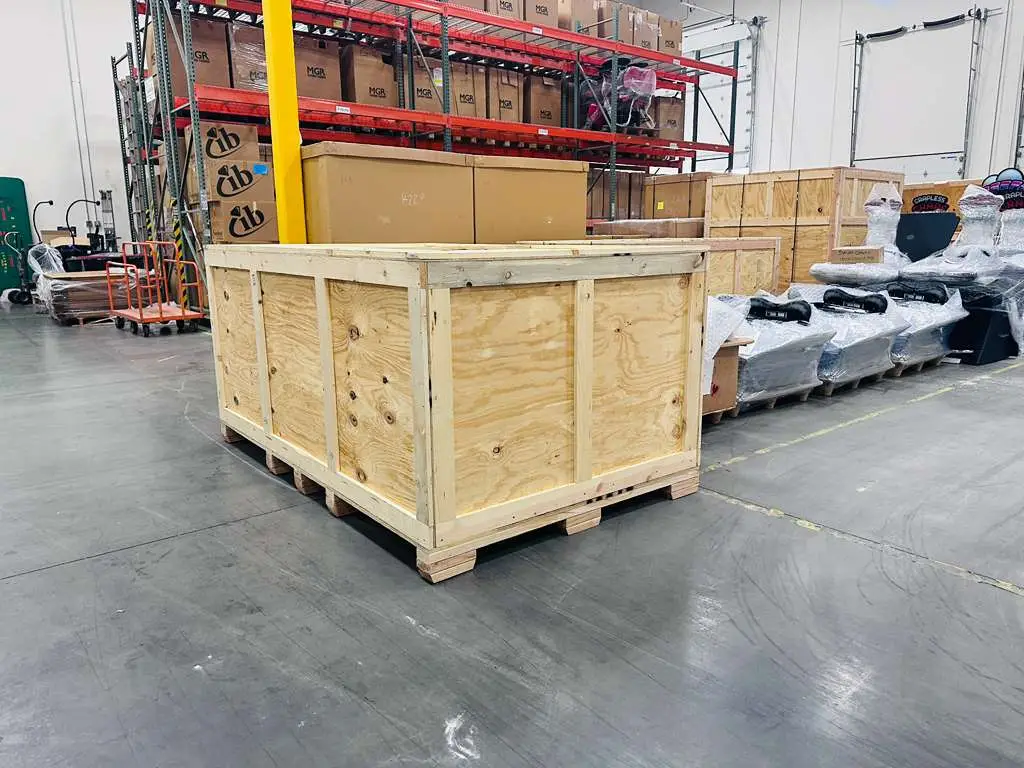
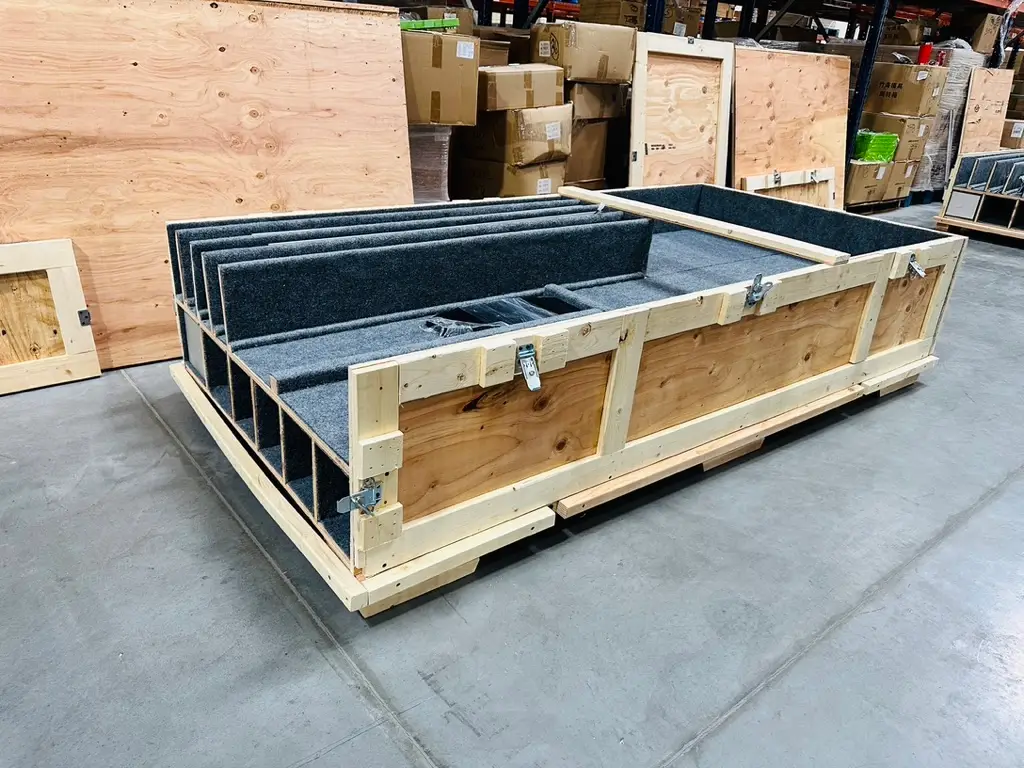
Custom packaging matches the outer container and internal protection to the shipment. Crates of Las Vegas provides packaging and crating solutions based on the item’s dimensions, weight, and handling needs. The aim is to reduce avoidable damage while making the package practical to move and unpack.
Precision-Fit Protection for Fragile and Valuable Goods
One of the biggest advantages of custom packaging is the ability to design around the dimensions, weight, and fragility of the item being shipped. That can reduce unnecessary movement inside the container, which otherwise allows cargo to strike other components or the enclosure.
For glass components, electronics, medical devices, and artwork, support locations and contact materials require care. Foam inserts, blocking systems, and cushioning may be combined to hold the item securely without loading delicate surfaces.
A close fit is not simply the smallest possible box. The package needs room for the selected protection and a workable packing and unpacking method. Share photos, measurements, and manufacturer instructions before the design is finalized.
Protection Across Complex Shipping Environments
Modern logistics may involve multiple handling points, long transit routes, and varying environmental conditions. Each stage introduces risk, including shocks, vibration, temperature changes, and exposure during loading or storage.
An outer crate or container provides structural protection, while internal supports and cushioning address movement and transmitted forces. The required combination depends on the product and journey. For sensitive cargo, discuss whether packaging evaluation or testing is appropriate before a repeat shipping program begins.
Moisture barriers, corrosion protection, or dust protection may also be needed. These measures must suit the contents and expected exposure. A wooden enclosure is not inherently waterproof, and protective wrapping alone does not provide temperature control.
Cost Efficiency Through Damage Reduction and Sizing
Custom packaging can involve a higher upfront cost. Its value should be assessed alongside product replacement, return logistics, delays, and the impact of a damaged delivery on the customer. Those costs vary by shipment, so a savings claim needs real project data.
Efficient sizing can reduce unnecessary bulk, but enough space must remain for protection. The final package may also be heavier than a standard alternative. Ask for freight pricing based on the packed dimensions and total weight rather than the bare product alone.
For recurring shipments, review packaging performance and any reported damage. That information can guide adjustments to the design, packing instructions, and handling process without sacrificing protection solely to reduce material use.
Adaptability for Different Industries and Shipping Needs
Every sector has different requirements, from heavy industrial machinery to delicate instruments or high-value retail products. Custom packaging can accommodate unusual shapes, support heavy components, and protect vulnerable surfaces.
Electronics may require materials appropriate to their sensitivity, while equipment with moisture or temperature limits needs a separate exposure plan. Confirm specialized requirements with the product manufacturer and packaging provider rather than assume every custom package includes them.
For international shipments, also check applicable wood-packaging treatment and marking rules. The destination and packaging materials affect what is required. That check is part of export planning, alongside the requirements for the cargo itself.
Supporting Brand Reputation and Customer Trust
Damaged deliveries can harm customer trust, while carefully packed shipments support a professional customer experience. Packaging helps communicate the care given to a product, even when it is designed primarily for industrial or commercial freight.
A useful design should also consider the receiving team. Clear opening instructions, identified loose parts, and an understandable repacking sequence can make handling easier where those features are needed. Branded presentation or reusable features should be discussed as specific requirements rather than assumed services.
Good packaging reduces risks; it cannot promise that every shipment arrives in perfect condition. Reliable delivery also depends on transport, handling, and coordination with the recipient.
PLAN YOUR CRATING
Plan Custom Packaging for Your Next Shipment
Custom packaging is most useful when it solves a defined problem: an unusual shape, fragile component, demanding route, or repeat packing requirement. Bringing those details into the quote process helps keep the design focused.
Contact Crates of Las Vegas with product dimensions, weight, photos, destination, expected handling conditions, and any manufacturer restrictions. Include the shipment quantity and receiving requirements so the packaging can be planned around the full journey.
Discuss Custom PackagingMORE CRATING GUIDES