

LAS VEGAS · CRATING GUIDE
How Custom Crating Can Reduce Shipping Costs in Las Vegas
Custom crating adds an upfront cost. For some shipments, that cost may be justified by better protection, easier handling or the ability to reuse the packaging. The useful question is whether the proposed design improves the total cost of your particular shipment.
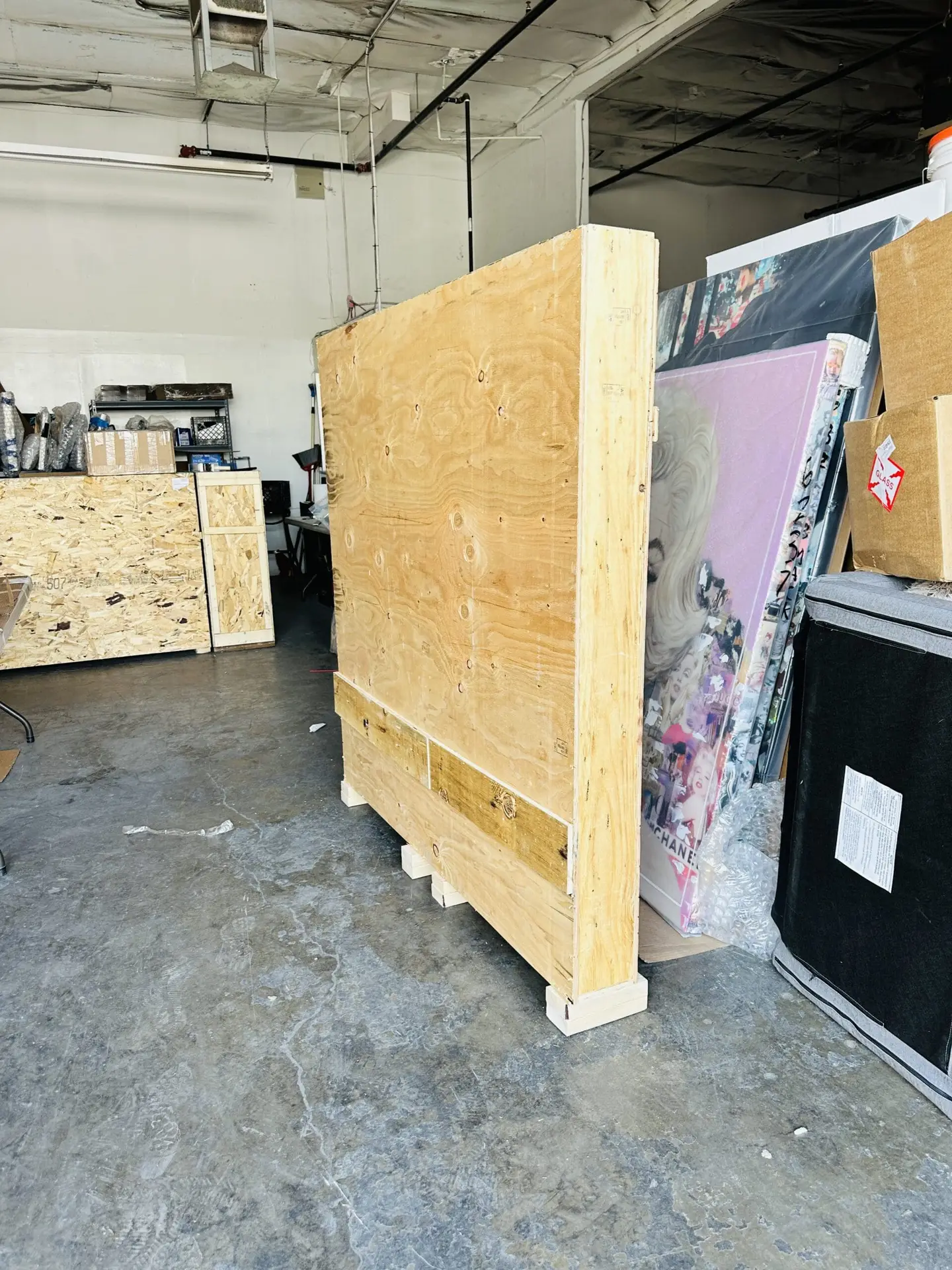
Machinery, medical equipment, artwork and trade show displays have different consequences if they arrive damaged or cannot be unpacked as planned. Consider those consequences alongside the crate price, while keeping estimated savings separate from guaranteed results.
Start with the cost of a damaged shipment
A damaged item may require repair, replacement, additional freight or staff time. For equipment needed on a scheduled job, a delay can also disrupt installation or production. Artwork and unique objects may have consequences that cannot be resolved by replacing the item.
List the costs that actually apply to your shipment. Use your own experience, supplier information or repair estimates where available. Avoid assigning a dramatic loss figure just to make a more expensive crate appear worthwhile.
A suitable packing design can address specific risks:
- Internal supports limit unwanted movement at the item’s structural points.
- Cushioning is selected to manage shock and vibration for the load.
- The base and frame support the expected handling conditions.
- Surface and environmental protection are chosen for the item and route.
These measures reduce exposure; they do not eliminate every cause of damage or guarantee an insurance claim will be paid.
Look at handling and preparation time
A crate with clear access, labeled components and an agreed opening sequence may simplify loading, unpacking and repacking. That can matter when different crews handle the same exhibit or piece of equipment at several stops.
Ask who will do each task and what equipment they need. A design that is convenient at your warehouse may be awkward at the destination. Compare onsite packing with workshop packing, including the cost and risk of moving the item before it is crated.
Any labor saving depends on the actual workflow. Request a clear scope rather than assuming every custom crate will reduce handling time. For equipment-specific preparation, review our guide to crating heavy machinery and industrial equipment when comparing support and handling requirements.
Calculate reuse costs realistically
Reusable hardware and durable internal supports can make sense for recurring shipments. Trade show displays, demonstration units and field equipment are common examples where repeated access matters.
Compare the expected cost across the trips you reasonably anticipate:
- Initial crate and packing cost
- Replacement cushioning or other consumable materials
- Inspection, repairs and repacking labor
- Storage between trips
- Empty return freight, if required
- Eventual replacement or disposal
Divide the total by the expected trips to estimate packaging cost per use. Compare that with appropriate one-way packaging on the same basis. Reuse does not make storage, handling or return transport free, and no fixed service life should be assumed.
Account for scheduling and downtime
For production tools, laboratory systems and medical equipment, transport preparation may involve the manufacturer or a qualified technician. A crate cannot replace transport locks, approved disassembly or required checks after delivery.
Coordinate packing completion, carrier collection and receiving availability. If a delay would affect a project, discuss a contingency plan rather than relying on packaging alone to guarantee the schedule.
Trade show exhibitors should also consider how long setup and return packing will take. Galleries and collectors should account for condition checks and any specialist handling or environmental arrangements.
Compare quotes using the same scope
Give each provider the same dimensions, weight, photographs, route and required date. Then check whether the proposals include the same work.
Ask about crate construction, interior packing, onsite labor, loading, collection, delivery and any export-material requirements. Confirm what is excluded, what information is still estimated and what changes could affect the quote.
For overseas shipments, verify the destination’s requirements before the build. APHIS explains compliant export wood packaging. Addressing applicable treatment and marking requirements early can avoid rework; it does not guarantee customs clearance or a particular delivery date.
Cost and value questions
Does custom crating always cost less overall?
No. A suitable standard crate or another packing method may be adequate. Custom crating is worth comparing when the item’s shape, load, fragility or reuse needs call for it.
Will crating lower my insurance premium?
Do not assume it will. Ask your insurer or broker about the actual policy, documentation and packing requirements. A crating quote is not insurance coverage.
What makes one quote higher than another?
Differences may include materials, base design, cushioning, access hardware, onsite work and the services included. Ask for the design assumptions and scope before comparing totals.
PLAN YOUR CRATING
Request a quote you can evaluate
Send Crates of Las Vegas the item’s details and explain whether the shipment is one-way or recurring. Ask for a clear description of the crate, packing and related services so you can compare the proposal with your handling, freight and reuse costs.
Request a custom crating quote.
Request a Crating QuoteMORE CRATING GUIDES



