


LAS VEGAS · CRATING GUIDE
Custom Crating: What to Know Before You Ship
Custom crating combines a purpose-built container with the supports and packing an item needs for its journey. It can be useful for heavy, fragile, oversized or unusually shaped cargo that does not fit an available packaging system well.
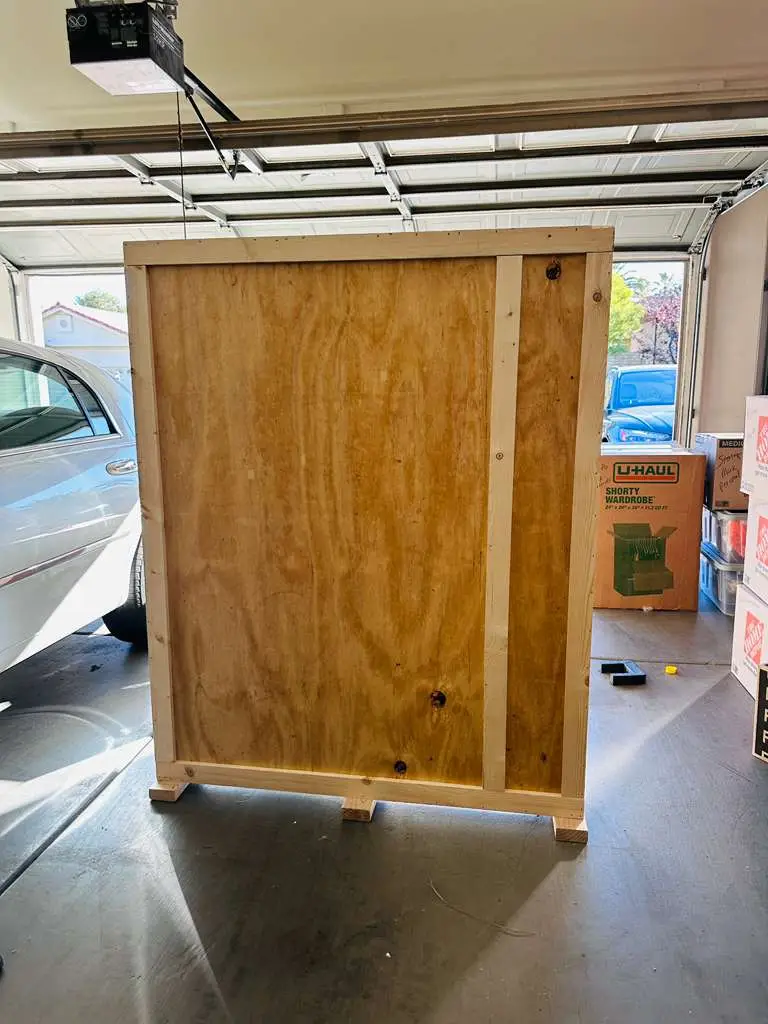
The process starts before lumber is cut and continues through packing, carrier handoff and unpacking. Understanding those stages helps you provide the right information and compare proposals for your shipment.
What custom crating is designed to address
An item can be damaged by movement inside its package, contact with other components, shocks during handling or exposure along the route. The crate’s outer structure, interior supports and protective materials each address part of that problem.
Blocking and bracing restrain suitable structural points. Cushioning helps manage transmitted forces when it is selected for the load. Partitions and surface protection can keep separate components from rubbing or colliding.
A custom fit still leaves the space required for the planned protection. It does not mean wedging an item tightly against the crate walls. A standard container can also work if its capacity and interior packing meet the same requirements.
Stage 1: assess the item and journey
Provide dimensions, weight, quantity and photographs. Include fragile projections, detachable accessories and any restrictions on orientation or contact. Tell the provider where the item will be packed and how it will reach the collection point.
For machinery or sensitive equipment, share the manufacturer’s shipping instructions, lifting information and preparation requirements. For art or antiques, document condition and raise any concerns about finishes or weak areas before packing.
Describe the route, transport modes, expected storage and destination access. Explain whether the crate is for one-way delivery, a return shipment or repeated use. Those details influence the design and opening hardware.
Stage 2: choose the crate and interior system
The builder should determine how the base supports the load and how the frame, panels and fasteners suit the intended handling. Confirm the final outside dimensions, packed weight and access needed for loading and unloading.
The interior may include fitted supports, blocking, bracing, partitions or cushioning. Ask how these features avoid pressure on fragile parts and how the packing can be removed safely.
For critical equipment, do not assume a general-purpose foam lining will meet the manufacturer’s requirements. For vulnerable artwork, seek appropriate advice on safe contact materials. The Canadian Conservation Institute’s packing guidance is a useful reference for object-specific assessment.
Stage 3: address environmental and export needs
Some shipments need additional moisture, corrosion or surface protection. Barriers, desiccants, corrosion-inhibiting materials and exterior wrapping have different functions and should be selected for the cargo and journey.
A sealed bag does not guarantee zero humidity, and a wooden crate does not replace a controlled-temperature transport service. Discuss the conditions the item can tolerate and who is responsible for meeting them.
For international shipping, check regulated wood components and the destination’s rules. ISPM 15 covers raw wood packaging, including dunnage. An exemption for processed panels does not automatically cover solid-wood runners or braces in the same package.
Stage 4: prepare, pack and document
Arrange any equipment preparation by the manufacturer or a qualified technician. Confirm who will secure moving assemblies, remove approved accessories or address fluids and batteries for the booked transport service.
Before closing the crate:
- Check the item inventory and label separately packed parts.
- Record the item’s condition and the packing arrangement.
- Confirm supports and restraints match the agreed plan.
- Keep access instructions and required handling information available.
- Establish who will receive and open the crate.
Reusable crates also need clear repacking instructions. Photographs and labeled positions help later crews restore the intended arrangement rather than improvising it.
How needs differ by application
Industrial machinery emphasizes base support, securement and handling access. Healthcare and laboratory equipment may need manufacturer-led preparation and checks on arrival.
Fine art requires attention to condition, surfaces and suitable support. Trade show exhibits often need repeated access, organized hardware and a practical return-packing plan. These requirements should guide the proposal rather than a generic industry label.
Choosing the provider and confirming handoff
Ask about relevant experience, onsite or facility packing, materials, timing and the work included in the quote. Confirm who books the carrier and who arranges specialist lifting, unloading and unpacking.
Review the finished package against the booked carrier’s acceptance requirements. Crating, transport, insurance and destination services are separate responsibilities unless the agreed scope specifically combines them.
Custom crating questions
Is custom crating only for businesses?
No. Individuals may also need a crate for artwork, furniture, antiques or other items with specific packing needs.
Can a crate be built for several trips?
Yes, when the design and hardware support that use. Inspection, maintenance and correct repacking remain important.
What determines production time?
The item, design, materials, quantity and packing arrangements affect scheduling. Ask for a confirmed date for your project rather than relying on a general turnaround claim.
PLAN YOUR CRATING
Start planning your shipment
Review Crates of Las Vegas custom crating services and share your item’s dimensions, weight, photos, destination and required date. Include any manufacturer instructions and onsite access needs.
Contact Crates of Las Vegas to discuss the crate and packing scope.
Request a Crating QuoteMORE CRATING GUIDES



