
LAS VEGAS · CRATING GUIDE
Custom Crates: Which Type Is Best for Shipping?
The best custom crate type depends on what needs protection and how the shipment will move. Size and weight matter, but so do vulnerable surfaces, handling points, exposure along the route and whether the container will make one trip or several.
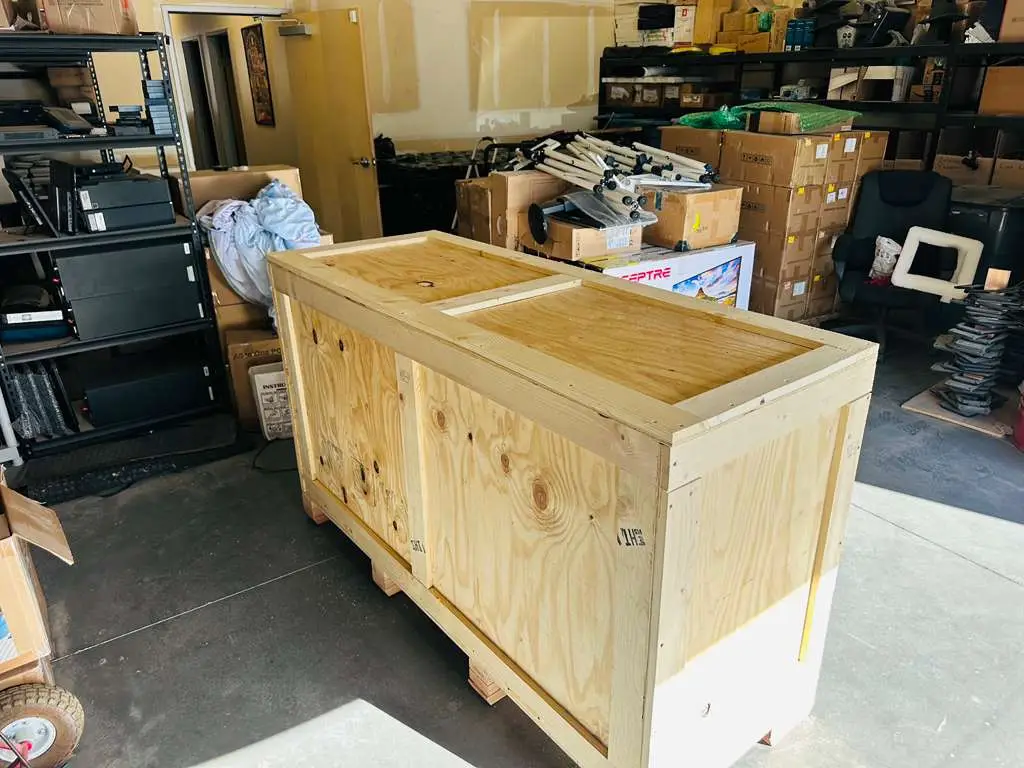
The main choices include fully enclosed crates, open-frame crates, skid-mounted bases and reusable designs. Each solves a different packing problem. Comparing their strengths and limitations is more useful than choosing the heaviest-looking box.
What the structure needs to do
A crate’s base carries the load. Its frame and panels provide the intended enclosure, while internal supports keep the item positioned without loading fragile parts. Cushioning may be required to reduce shock transmitted to the cargo.
These features work together. A strong exterior cannot compensate for an unsupported item inside, and extra foam cannot make an inadequate base suitable for heavy equipment. The finished design must also accommodate the carrier’s handling arrangements.
Four common custom crate configurations
Fully enclosed wooden crates
Enclosed crates surround the cargo with panels and are often considered for fragile equipment, artwork and items needing separation from nearby freight. Interior blocking, supports and cushioning should be chosen for the item.
The panels can provide a physical barrier, but a wooden enclosure is not automatically waterproof or climate controlled. Discuss additional surface and moisture protection when the route calls for it.
Open-frame or slatted crates
An open-frame crate uses a structural framework with gaps between members. It can provide access and visibility around durable cargo while using less enclosure material than a fully paneled design.
Exposed areas still need assessment. This format may be unsuitable where small projections, vulnerable finishes or environmental exposure require continuous protection. A lower material quantity does not by itself establish a lower total shipping cost.
Heavy-duty skid-mounted bases
A custom skid supports a load and provides a planned interface for handling equipment. It can be considered for machinery or large components where a full enclosure is unnecessary or a separate protective system is specified.
A skid alone leaves the cargo exposed. Confirm the securing method, lifting access and protection of the upper equipment. Qualified handlers must assess lifting and rigging requirements; the presence of a skid does not make every lifting method safe.
Reusable and knock-down crates
Reusable crates are designed around repeated opening, inspection and repacking. Hardware may include hinges, removable panels or latches. A knock-down design can allow components to be separated for storage when that feature is appropriate.
These designs can suit exhibits, demonstration equipment and other recurring shipments. Specify the expected trips and who will repack the item. No fixed number of safe reuse cycles should be assumed: condition, handling and maintenance matter.
A practical selection sequence
- Identify what must be supported and which surfaces must stay clear of contact.
- Decide whether the cargo needs a full enclosure or can tolerate exposure within a frame.
- Confirm how the finished package will be lifted, moved and received.
- Discuss cushioning, moisture control or other protection separately from the crate’s outer shape.
- Choose one-way or reusable access features according to the actual shipping plan.
- Check the final proposal against the booked carrier’s requirements before dispatch.
A fragile object may need an enclosed crate with an internal support system. A durable industrial component may suit a frame or skid, but only after its handling and exposure needs have been reviewed.
Preparation matters for every type
Provide the manufacturer’s shipping instructions where available. A qualified technician should prepare moving parts, transport locks, removable accessories and any fluids or batteries as required for that equipment and shipping mode. Do not drain or dismantle equipment simply because it is going into a crate.
Photograph the item before packing, identify loose parts and agree on the opening sequence. For return shipments, retain the packing layout so the receiver can reproduce it.
International shipments need a separate wood-packaging check. ISPM 15 addresses regulated raw wood packaging; plywood panels do not exempt solid-wood framing or skids. Confirm the destination’s requirements before choosing materials.
Crate-type questions
Is an enclosed crate always the strongest option?
Its performance depends on the complete construction and load. Panel coverage alone does not establish a weight or stacking capacity.
Does a reusable crate automatically save money?
Compare purchase cost, repair, storage, repacking and return freight across the trips you expect to make. The result depends on your operation.
Can a standard-size crate work?
Yes, if its capacity, internal support and handling features suit the shipment. Custom sizing is useful when those requirements cannot be met by the available standard option.
PLAN YOUR CRATING
Discuss the right crate configuration
Send Crates of Las Vegas photos, dimensions, weight, destination and the expected number of trips. Include handling constraints and sensitive components so the team can discuss a suitable crate configuration and packing scope.
Request a Crating QuoteMORE CRATING GUIDES



