Crates of Las Vegas Journal
Custom Crates for Heavy-Duty Equipment Shipping
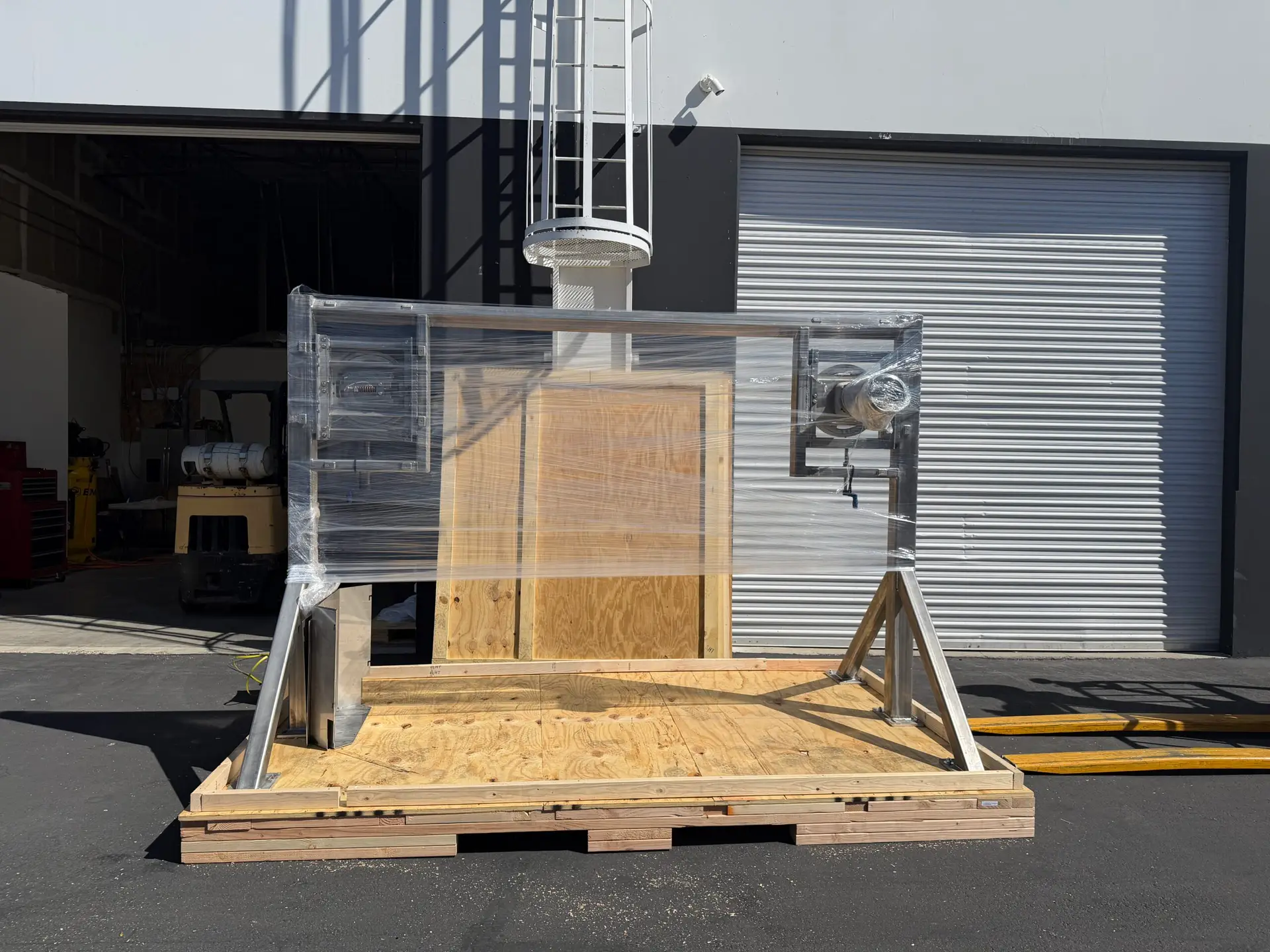
Heavy-duty equipment needs a packaging and handling plan built around the actual load. Dimensions alone are not enough: the equipment’s weight, support points, center of gravity and preparation requirements affect both the crate and the move.
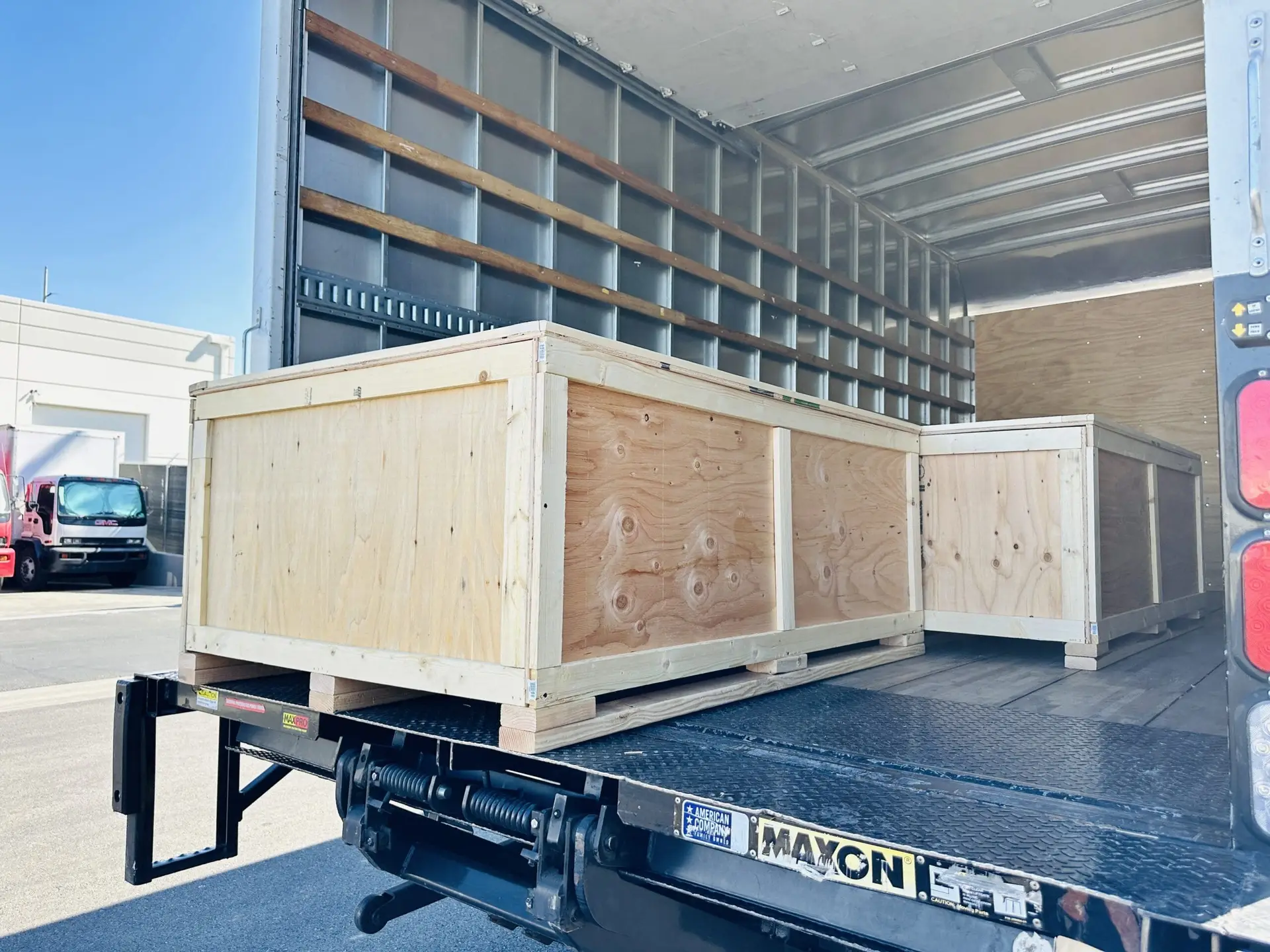
For Las Vegas construction, manufacturing or specialist-equipment projects, involve the equipment owner, crate provider and qualified handlers before arranging collection. Each party should understand the information and work it is responsible for.
Establish the load and support requirements
Provide verified weight and dimensions, manufacturer drawings where available, and the intended transport orientation. Identify approved support and lifting points rather than guessing from the machine’s exterior.
The base, framing and restraints should suit those requirements. A heavy-looking enclosure does not establish load capacity. Ask the provider to explain the design assumptions, including any limits on handling or stacking, and resolve missing equipment information before construction proceeds.
Prepare the equipment and vulnerable components
Machinery may have moving assemblies, exposed controls or detachable accessories that need attention before packing. Have the responsible technician complete the manufacturer’s preparation steps and identify any transport locks or disassembly requirements.
Discuss bracing and cushioning for the actual load. Wrapping can serve a protective purpose, but it should not be treated as the main restraint for heavy equipment. Record the completed preparation and packing arrangement for the receiving team.
Check international packaging requirements
For an overseas destination, confirm whether the wood packaging needs ISPM 15 treatment and marking. APHIS export guidance addresses those destination-based requirements.
The treatment mark concerns the packaging’s plant-health status. It does not certify machinery performance, structural design, moisture protection or the full import process. The forwarder and equipment owner should separately review requirements that apply to the machine and any associated contents.
Compare costs with the complete equipment move
Include specialist preparation, crate construction, packing, freight, rigging and receiving checks in the budget. Downtime and potential damage are relevant considerations, but the reduction in those risks cannot be assumed or assigned an invented percentage.
A reusable crate may suit repeat equipment moves if it can be recovered and remains appropriate. Add storage, return freight and inspections to the comparison. Changes to the machine or support arrangement require reassessment before reuse.
Coordinate rigging, freight and receiving
Mechanical-handling features must be compatible with the equipment selected by qualified handlers. Forklift access does not establish that a crane can lift the crate or that every forklift has adequate capacity for the load arrangement.
- Confirm the completed packed dimensions and weight.
- Review collection and delivery access routes.
- Assign loading and unloading to the appropriate qualified team.
- Share approved handling and opening instructions.
- Arrange any technician required for receiving and recommissioning.
The carrier should be booked around confirmed packing and preparation milestones. A crate alone cannot guarantee the equipment will arrive ready to operate.
PLAN YOUR CRATING
Discuss a crate for your equipment move
Contact Crates of Las Vegas with the machinery specifications, photographs, manufacturer instructions and route. Ask the team to confirm the packaging scope and identify information needed from the equipment and handling specialists.
Discuss Your Crating ProjectMORE CRATING GUIDES