

LAS VEGAS · CRATING GUIDE
Practical Custom Crate Features for Shipping and Storage
A useful custom crate feature solves a specific problem. Easier access, a clear component layout or a repeatable packing sequence may matter more than adding complexity to an otherwise straightforward container.
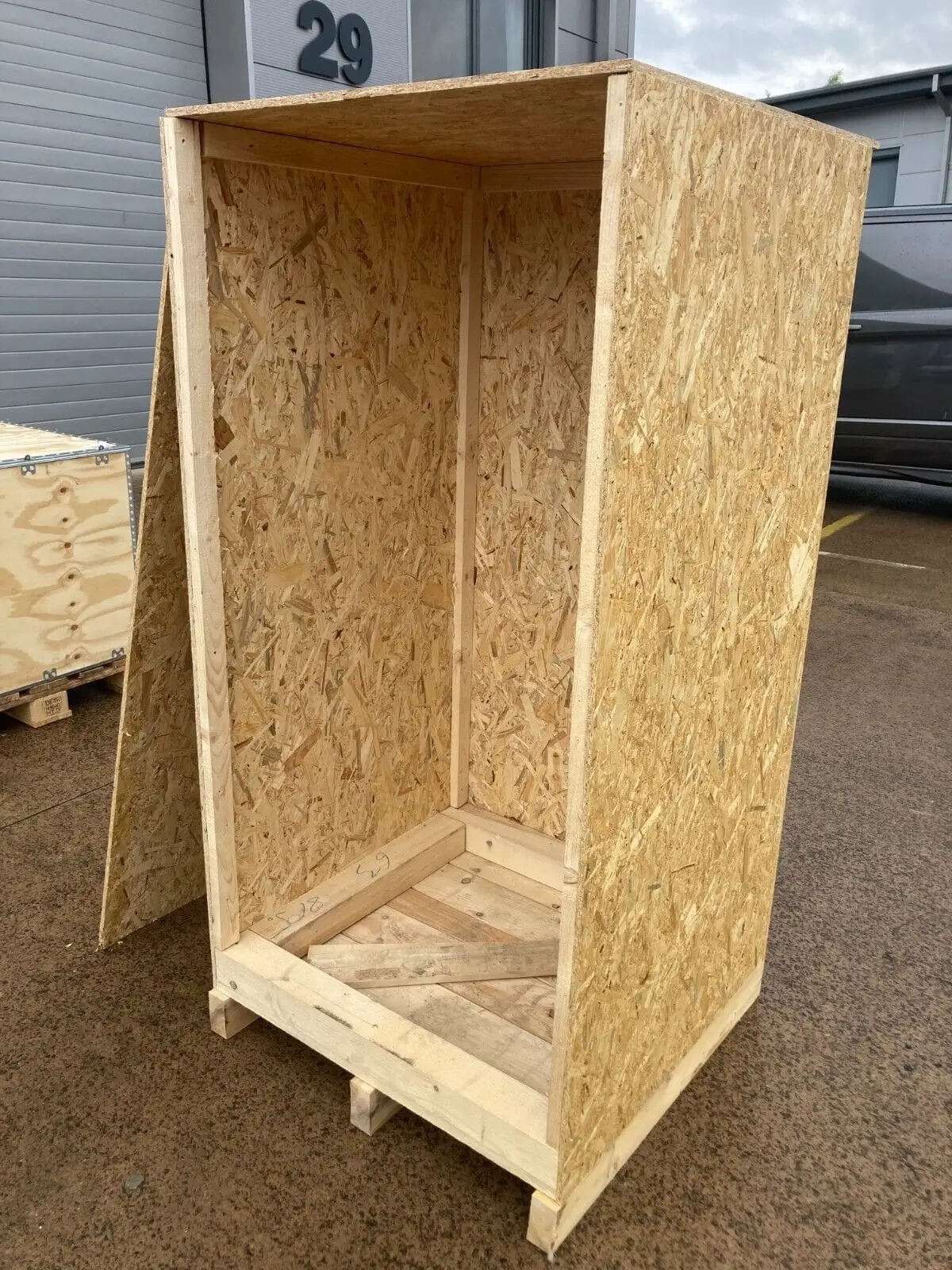
For Las Vegas businesses moving products, props or equipment, combine careful construction with a clear account of how the crate will be used. This guide focuses on the questions that turn a design idea into a practical specification.
Connect craftsmanship to the load
Give the builder accurate measurements, weight and photographs. Identify permitted support points, fragile areas and anything that extends beyond the main body of the item. The crate should be reviewed in its fully packed condition.
Ask how the base, enclosure and closure work together. Surface appearance is easy to see, but it does not establish load capacity or the suitability of the interior arrangement. Request an explanation of the features that matter to your cargo.
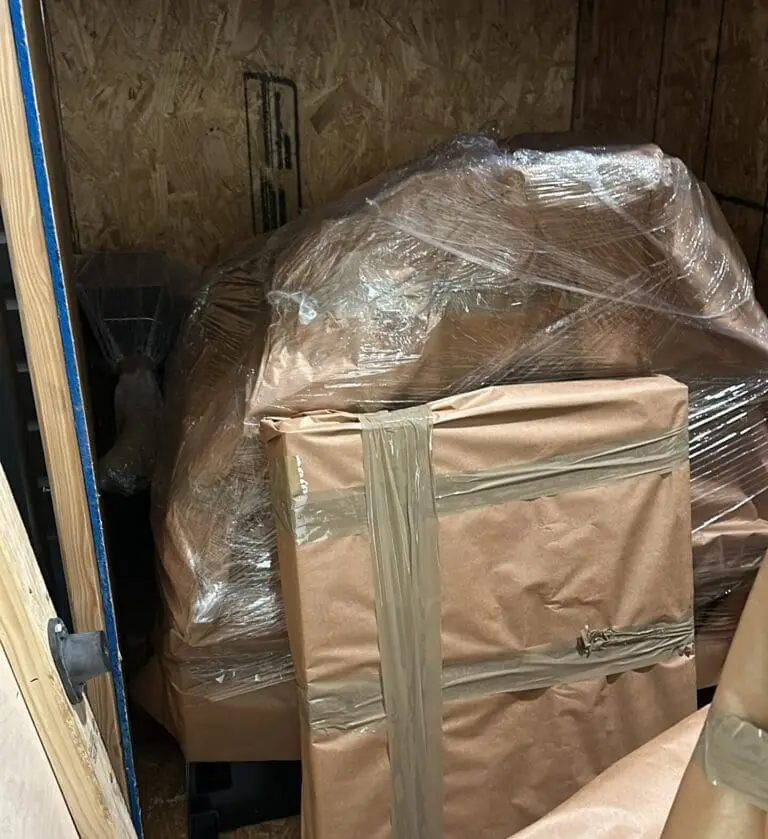
Choose features by the job they perform
Discuss options only where they answer a real need. A removable panel may help with access; identified compartments may help organize accessories; a reusable closure may support repeated opening. Confirm that the proposed options are available and included in the scope.
- For several components, prepare a numbered inventory and packing reference.
- For repeated use, identify the parts that will be removed and replaced.
- For delicate finishes, provide any restrictions on contact materials.
- For unfamiliar receiving teams, request clear opening instructions.
- For branding, preserve space for transport and handling information.
Plan storage between shipments
Tell the provider where the loaded or empty crate will be kept and for how long. Identify any environmental requirements from the item's manufacturer or owner. An ordinary crate should not be treated as a temperature- or humidity-controlled storage system.
Before stacking or placing a crate on shelving, confirm the intended loading and the storage equipment's limits. Plan enough access to inspect it and remove the contents without improvising around other stored goods.

Improve the receiving experience
Walk through what happens when the package arrives. The receiver needs to identify it, check its exterior and understand the opening sequence. Include a packing list when the contents are not a single obvious item.
For repeat shipments, keep an image of the original packing arrangement with the instructions. Record any changes to the contents or supports. A documented process is easier to repeat than one dependent on the original packer's memory.
Work with a local provider on a defined scope
The Crates of Las Vegas custom-crating service is a starting point for discussing the project. Ask which steps are included: assessment, construction, interior packing, collection or delivery may need separate confirmation.
For sustainability goals, discuss repair and reuse and request evidence for material claims. Local sourcing or a wooden enclosure does not by itself prove reduced emissions. Keep the claims you make to customers aligned with the information the project actually documents.
PLAN YOUR CRATING
Review the features your crate needs
Send Crates of Las Vegas a description of the item and the problems the crate needs to solve. Include storage, repeat-use and presentation requirements so the proposed design can be reviewed against the full use cycle.
Discuss your crate projectMORE CRATING GUIDES




