

Shipment preparation
Common Crating Mistakes That Cause Shipping Delays
Crating problems can become shipping problems when a carrier cannot handle the load, an item shifts inside its packaging or required information is missing. For Las Vegas businesses shipping machinery, instruments, artwork and displays, checking the crate before collection is usually easier than arranging repacking in transit.
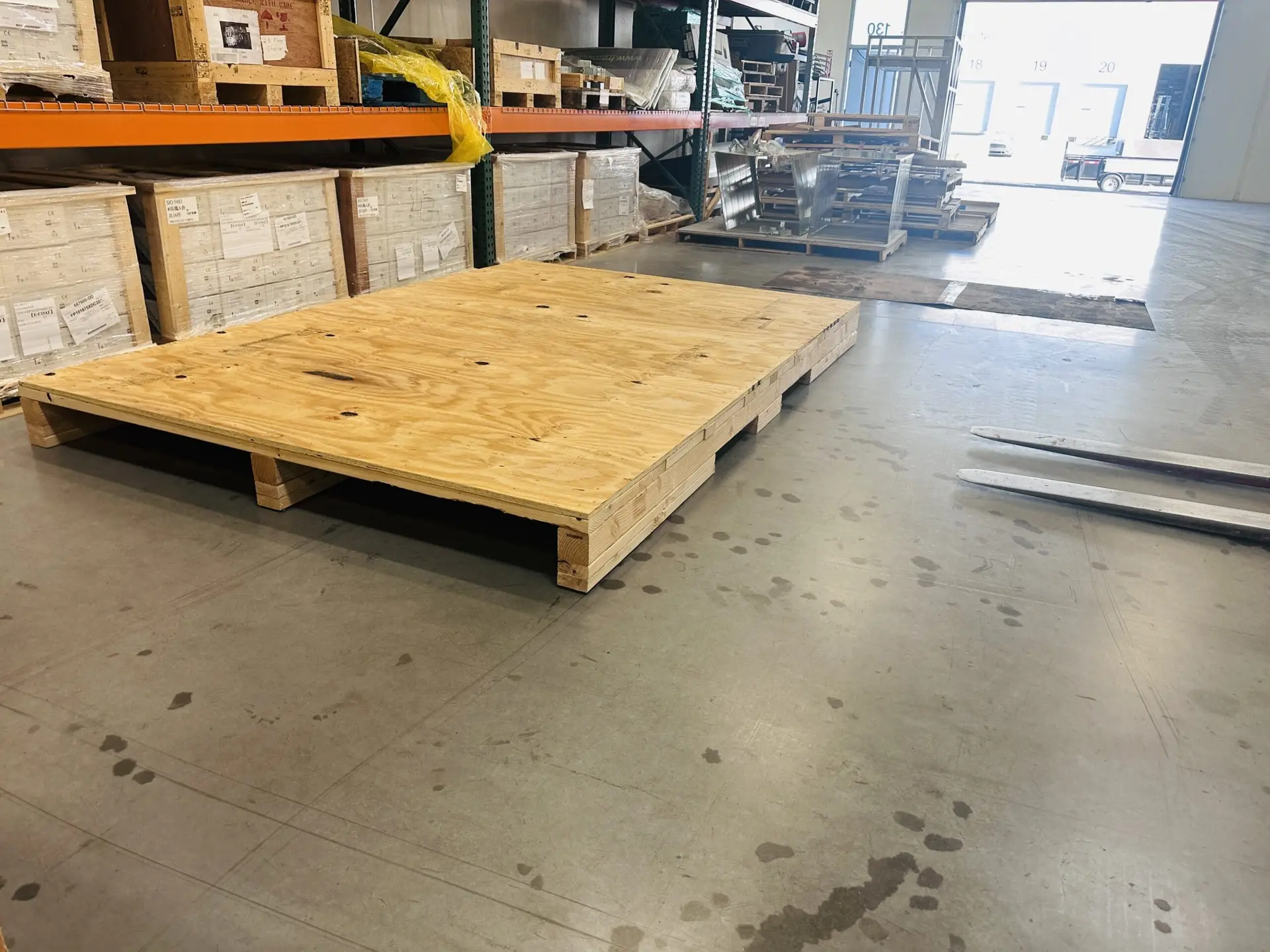
The following mistakes concern both the enclosure and the preparation around it. Avoiding them reduces preventable risks, although it cannot guarantee a delivery date or customs clearance.
Overlooking Applicable Wood-Packaging Requirements
For international shipments, determine whether the packaging's wood components require treatment and an official ISPM-15 mark. Do not assume a new crate, heat-treated lumber or a supplier's invoice alone establishes that the completed packaging is compliant.
Use an appropriately authorized provider and review the route before construction. APHIS export guidance explains compliant sourcing and marking.
Requirements depend on the packaging and destination. A domestic shipment or qualifying exempt material should not be described as noncompliant simply because it has no ISPM-15 mark. Other shipment documents and import rules still need separate attention.
Choosing the Wrong Crate Size
A crate can be too small for the necessary cushioning or unnecessarily large for the load. Excess space can allow movement if the interior does not restrain the item, while a tight enclosure may place pressure on delicate parts.
Before fabrication:
- Measure the full item, including protrusions and removable components
- Confirm the packed orientation
- Allow for supports, cushioning and protective clearances
- Check the completed crate against doors, vehicles and receiving access
- Use final packed dimensions for the freight quote
Custom dimensions help only when the measurements and interior design are correct.
Providing Insufficient Internal Protection
A strong outer enclosure does not prevent an unsupported load from moving inside it. Blocking, bracing and cushioning serve different purposes and should match the item.
Identify suitable restraint points and protect fragile finishes from direct pressure. Separate loose accessories and give them a documented place in the packing plan. Sensitive instruments may also have manufacturer instructions for transit locks, orientation or service preparation.
Photograph the packed interior before closure. Those records help the recipient understand the arrangement and can support an investigation if damage is discovered.
Using Unclear Labels or Incomplete Documents
Incorrect labels can send a well-packed crate to the wrong building, dock or receiving team. Handling symbols help only when they are legible and consistent with the load.
Check:
- Destination, consignee and booking details
- Piece count and a unique identifier for each crate
- Actual gross weight and packed dimensions
- Orientation, lifting and handling instructions
- The packing list and any required commercial documents
Remove or cover obsolete routing labels on reused crates. For events, use the current show's labeling and receiving instructions; a normal street address may not be enough.
Ignoring Weight and Handling Requirements
A heavy or top-heavy load needs a handling plan before pickup. The base, restraint and lifting access should suit the actual weight and center of gravity.
Confirm what equipment is available at both ends, whether loading appointments are required and how the crate will pass through the receiving route. Do not assume a liftgate, forklift or dock will be available without checking.
Stacking should also be an explicit design and carrier decision. A closed wooden top is not proof that the crate can support another load.
Frequently Asked Questions
What are the most common avoidable errors?
Inaccurate measurements, inadequate internal supports, unclear labels, unplanned handling and overlooked route-specific requirements.
Can an unmarked crate delay an international shipment?
Yes, when the packaging is subject to treatment and marking rules. Assess the materials and route rather than assuming every crate needs the same mark.
Why does internal protection matter?
The enclosure and the load need to work as a system. Unsupported movement or pressure on vulnerable parts can cause damage even when the outer panels remain intact.
Do custom crates prevent delays?
They can address packaging-related risks. Carrier schedules, access problems and customs decisions remain separate factors.
Can professional crating save money?
It may avoid preventable damage and repacking costs. Compare that value with the packing, transport and handling charges for the actual shipment.
PLAN YOUR CRATING
Check Your Crating Plan Before Pickup
Send Crates of Las Vegas the item details, photos, destination and handling arrangements. Request a crating quote early enough to resolve measurements, access and packaging requirements before the carrier arrives.
Discuss your shipmentMORE CRATING GUIDES



