Crate builder selection
Choosing the Right Crate Builders
Selecting the right crate builders is an important decision for any business that relies on the safe transportation of goods. Industrial machinery, fragile equipment, artwork, and high-value commercial products need packaging suited to their weight, vulnerabilities, and shipping route.
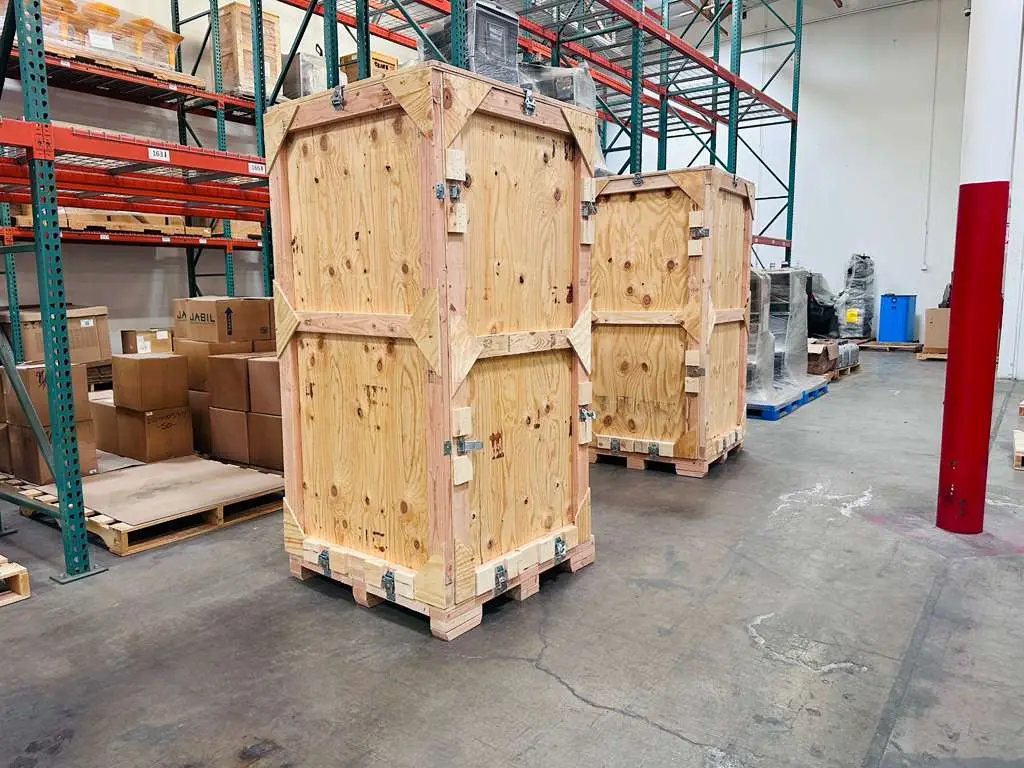
Poorly constructed or incorrectly packed crates can contribute to damage, delays, and export-packaging problems. A suitable custom crate combines an outer structure with internal protection and a practical handling plan. Crates of Las Vegas provides custom shipping crates; the questions below help define what a useful proposal should cover.
Experience, Expertise, and Industry-Specific Knowledge
Industrial machinery, medical equipment, electronics, and fragile artwork have different requirements. Look for a builder who can explain how the proposed packaging addresses your item’s weight distribution, vulnerable surfaces, movement, and environmental exposure.
Ask for relevant examples of comparable work rather than relying only on general claims about years of experience or the number of industries served. The important question is whether the provider understands the particular shipment and can explain the protection being proposed.
Share manufacturer instructions and any handling restrictions early. If the project needs specialized mounts, testing, preservation, or engineering approval, ask who will be responsible and what is included. Do not assume those capabilities or services are part of every crating quote.
Material Quality and Structural Design
The quality of materials and construction matters, but more wood does not automatically mean a better crate. The base, frame, panels, fasteners, and supports need to work together for the intended load and handling method.
Ask how the design accounts for the packed weight, support points, and any stacking requirements. If a provider describes a design as load-tested or certified, ask what that statement covers and whether the evidence applies to your shipment. Carrier crate guidance is a useful starting reference, alongside the chosen carrier’s requirements.
For international shipping, confirm the destination and the applicable wood-packaging treatment and marking requirements. A strong crate can still be unsuitable for export if its regulated wood packaging is not prepared correctly.
Customization and Flexibility in Crating Solutions
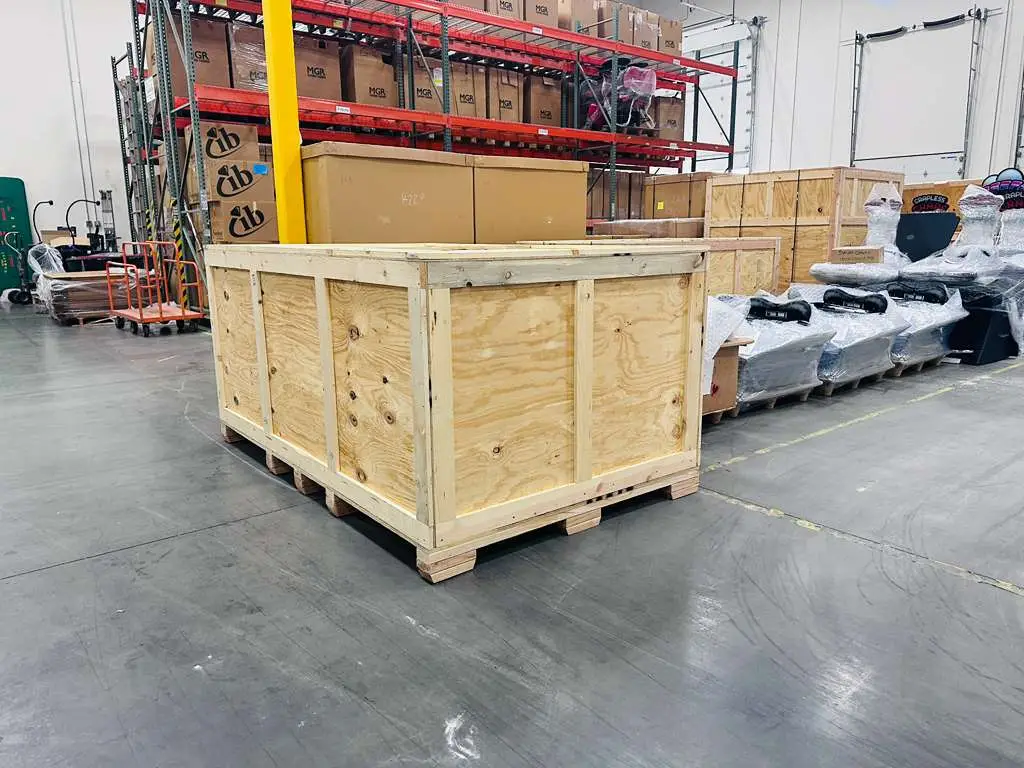
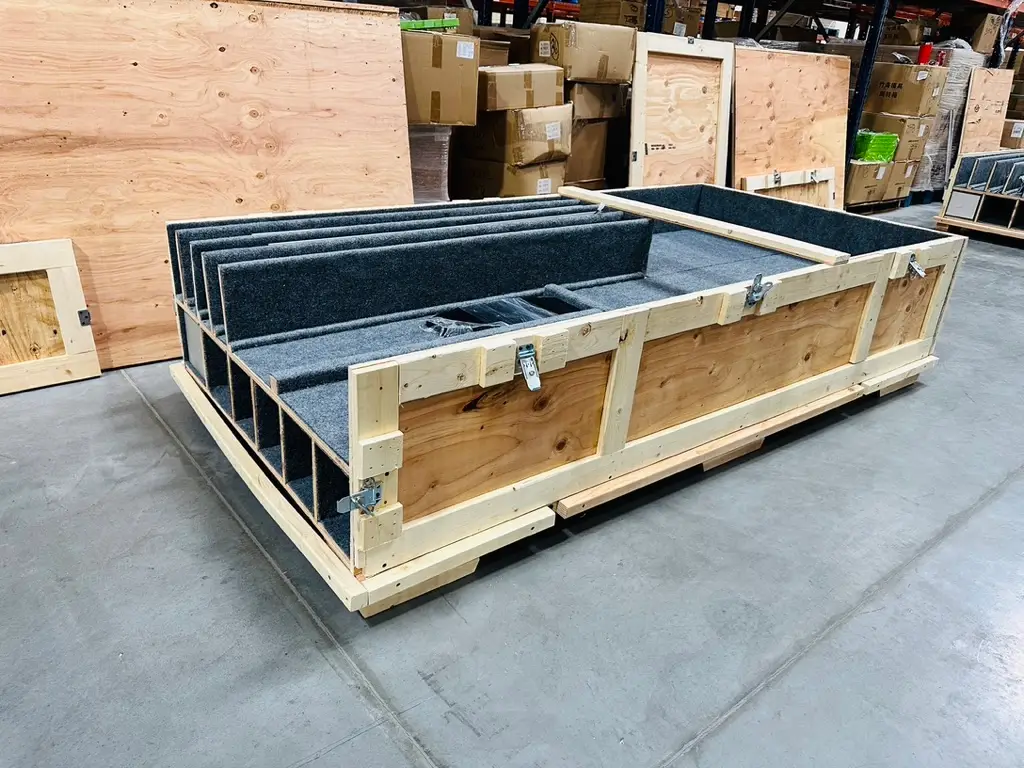
Custom shipping crates allow dimensions, internal supports, and protective materials to be planned around the cargo. This is especially useful for unusual shapes, oversized items, or components that cannot safely bear pressure from ordinary packing.
Discuss what the crate needs to do at every stage. Fragile electronics may need a different internal layout from industrial machinery or a trade-show display. Reusable construction, removable panels, and separate accessory compartments should be specified when needed rather than assumed.
Ask whether measurements can be confirmed at the item’s location and whether packing will take place there or at another facility. A useful proposal should state what information the customer must provide and how design changes will be handled if measurements or cargo details change.
Logistics Efficiency and Handling Compatibility
The right crate must work with the handling equipment and access available along the route. Confirm how the packed item will reach the pickup vehicle, move through freight facilities, and enter the receiving location.
Forklift access, pallet-jack compatibility, and any specialized lifting are separate design questions. Any stacking capability needs a suitable design and confirmed limits. Clear weight and orientation labels help communicate the plan but do not establish those capabilities on their own.
Request finished dimensions and gross weight so the carrier can quote the actual packed shipment. Consider receiving access and unpacking space as well as loading efficiency. For repeat shipments, ask how packing instructions and crate specifications will be documented to support consistency.
Risk Reduction and Long-Term Cost
Transit damage can lead to replacement costs, claims, and operational downtime. A crate should therefore be evaluated on the protection and work included, as well as its price.
Use the same requirements when comparing builders:
- Crate construction and internal supports
- Cushioning or environmental protection included in the scope
- Packing labor and any on-site work
- Export wood-packaging preparation where required
- Handling arrangements, scheduling, and transport responsibilities
- Reuse, return, or storage needs where relevant
Crating does not automatically lower insurance premiums or guarantee coverage. Confirm packing and documentation requirements with the insurer or carrier. A clear quote and packing record are more useful than unsupported promises of zero damage or universal savings.
PLAN YOUR CRATING
Discuss Your Crating Requirements
Choosing a crate builder starts with the shipment’s actual needs: cargo protection, construction, fit, handling, destination, and a clear division of responsibilities. A detailed conversation makes it easier to compare proposals on the same basis.
Contact Crates of Las Vegas with dimensions, weight, photos, destination, schedule, and manufacturer instructions. Describe site access and any specialized requirements so the proposed crate and packing scope can be reviewed before work begins.
Discuss Your Crating RequirementsMORE CRATING GUIDES