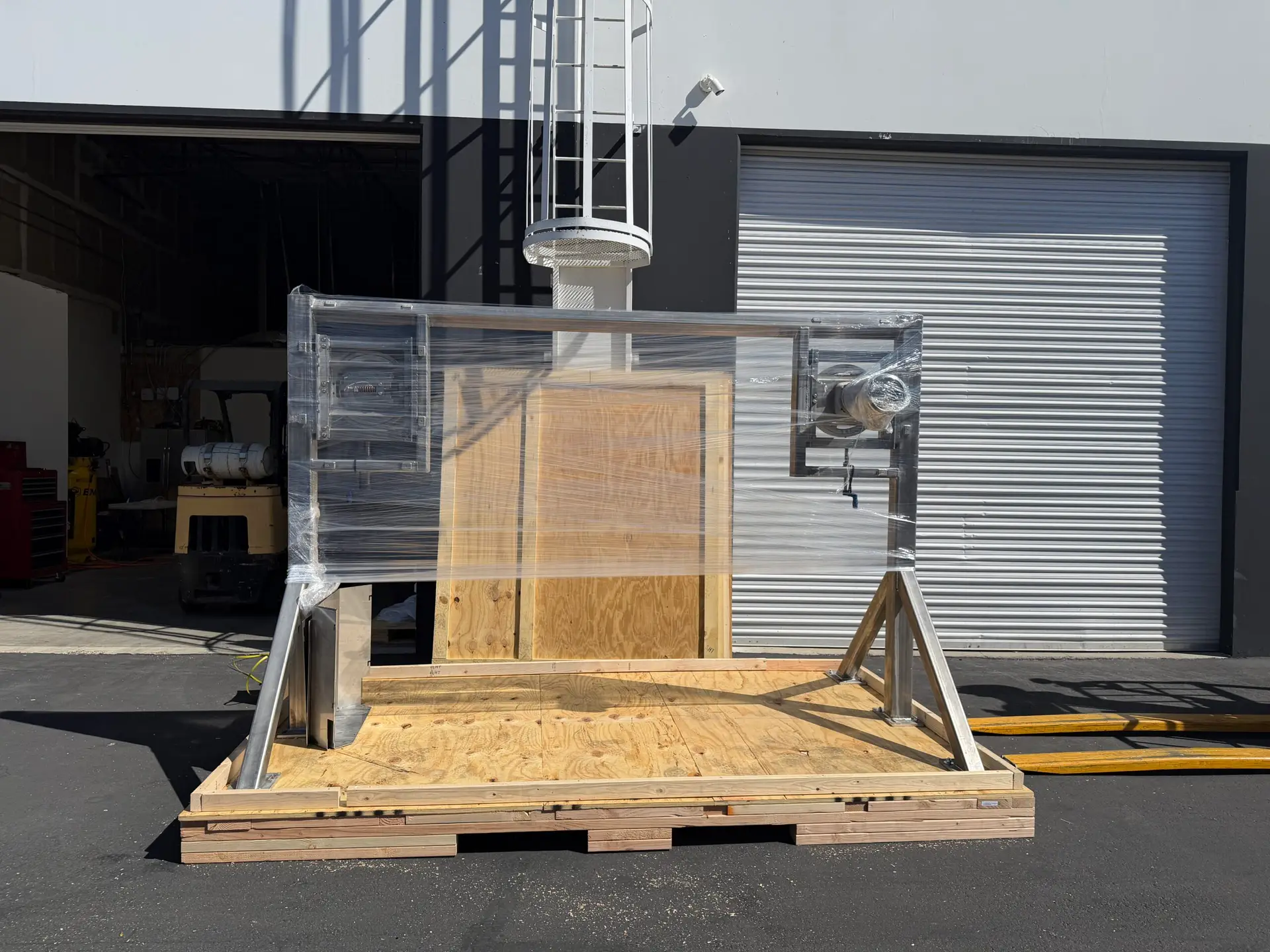
CRATING & PACKAGING GUIDES
Choosing Wood for Custom Crates in Las Vegas
The best wood for a crate depends on the load, panel spans, connections, exposure, and handling method. A species name alone cannot establish strength or durability. Ask for a complete crate specification rather than choosing hardwood, softwood, or a panel product by reputation.
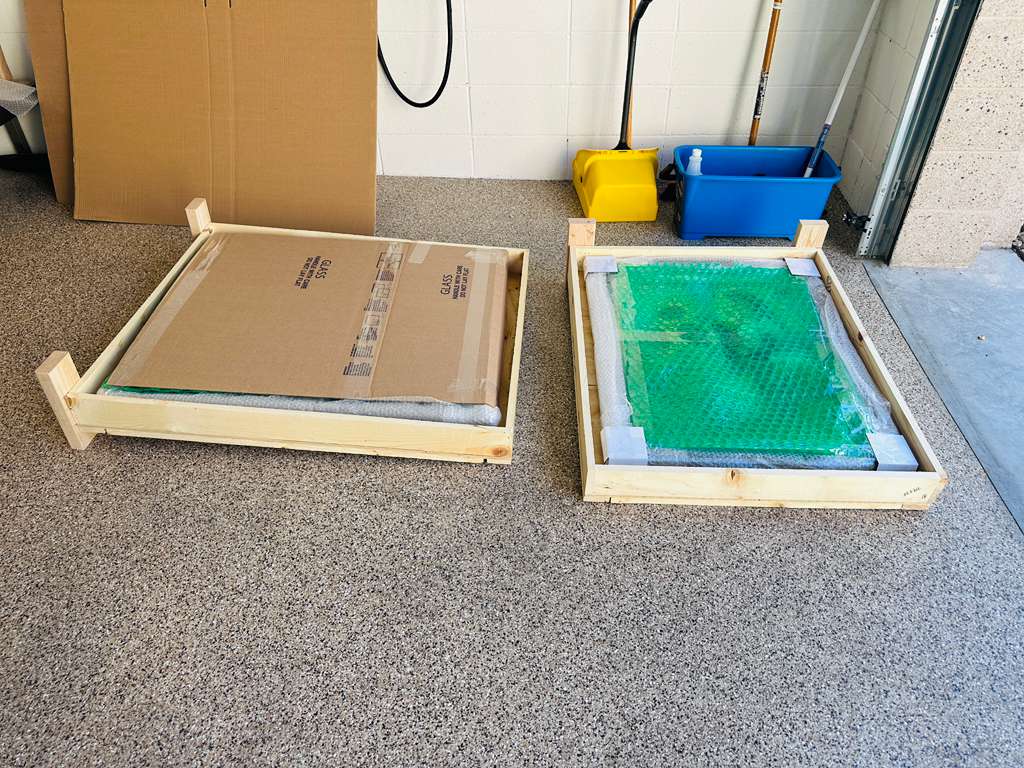
Separate framing, sheathing, and interior supports
A crate may combine lumber framing, panel walls, a designed base, and fitted inserts. Each component has a different job. Material decisions should follow the load path and access requirements, including how the item is restrained and how the crate will be lifted.
| Material category | Potential role | What to specify |
|---|---|---|
| Softwood lumber | Frames, runners and blocking | Species or group, grade, size, condition and connections |
| Hardwood lumber | Selected framing or wear components | Actual properties, weight and suitability for the design |
| Plywood | Panels, partitions or designed structural elements | Grade, thickness, orientation, exposure rating and fastening |
| OSB | Specified structural panels | Suitable grade, exposure and edge protection |
| Particleboard or MDF | Certain nonstructural or display applications | Do not substitute for a structural panel without review |
The USDA Forest Products Laboratory Wood Handbook provides material, moisture, panel, and fastening background. Hardwood is not a universal synonym for stronger wood, and OSB should not be treated as identical to particleboard.
Choose panels by specification rather than a generic thickness
Panel performance depends on grade, construction, supported span, orientation, and attachment. A familiar plywood thickness cannot be recommended for every crate without knowing those conditions. Ask the designer which panel specification suits the load and intended handling.
Exterior-bonded panels still need protection appropriate to the exposure. A water-resistant adhesive system does not make an assembled crate watertight. Edges, penetrations, closures, and the cargo’s own moisture sensitivity also need consideration.
For reusable crates, review panel damage and fastener holes during inspection. Repeated opening can change the condition of a connection even when the panel surface looks acceptable.
Match the material system to the cargo
- Artwork: prioritize compatible interfaces and suitable supports; do not assume a wood species or “acid-free” label resolves every conservation issue.
- Medical equipment: use manufacturer instructions for restraint, cleanliness, storage, and service checks.
- Heavy machinery: design the base and anchoring for verified weight and approved support points.
- Exhibits: consider serviceable closures, replaceable panels, and a repeatable packing layout.
Cushioning is selected for the item, contact area, and handling conditions. More density or thicker foam is not automatically better. Structural supports and cushioning must be considered together.
Distinguish drying from export treatment
Kiln drying addresses moisture. ISPM 15 treatment addresses pest risk in regulated wood packaging. One description should not be substituted for the other. Processed panels and solid-wood components can have different regulatory status within the same crate.
The IPPC overview excludes packaging made from processed wood such as plywood, but a mixed crate’s solid-wood framing or skids still need review. Tell the provider the destination and ask for the applicable compliant production and marking arrangements. Do not make or copy a treatment stamp.
Plan for moisture and the whole route
Las Vegas origin conditions are only one part of a shipment. Consider storage, truck staging, transfers, ocean transport if applicable, and the destination. Ask for material condition and protective details suited to that complete exposure.
Keep crates protected from rain and water sources where the handling plan allows. Barriers, ventilation, and desiccants should be specified for the cargo rather than added universally. A crate does not control temperature, and aggressive drying may be unsuitable for some art or organic materials.
Select fasteners and reuse details together
Connection design depends on loads, timber or panel properties, fastener type, and how the crate opens. Nails, screws, bolts, and other connectors have different uses; no single type is always best for every structural joint. Let the qualified designer select the connection and opening method.
For repeat shipping, identify replaceable panels and inserts, keep assembly instructions, and inspect the base and connections after use. Confirm any export consequences of repairs with the appropriate provider. Record material-sourcing evidence and real reuse before making environmental claims.
PLAN YOUR CRATING
Specify materials for a custom crate
Provide cargo dimensions, verified weight, handling instructions, expected exposure, destination, and reuse plans. Ask for a material and construction proposal that explains how the parts work together. Contact Crates of Las Vegas to discuss the scope, availability, and quote.
Discuss your crating projectMORE CRATING GUIDES