

Crates of Las Vegas Journal
Professional Custom Crates and the Customer Experience
Packaging is part of the customer’s delivery experience. A well-considered crate can make the shipment easier to identify, unload and unpack, while the interior is designed around the product’s protection needs.
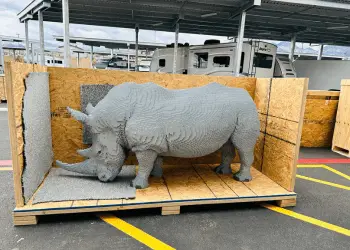
For Las Vegas businesses sending exhibits, artwork or equipment, the strongest presentation starts with practical details. Branding can support identification, but it should follow a suitable design, accurate records and clear instructions rather than substitute for them.
Show care through a documented protection plan
Provide the crate builder with the item’s dimensions, weight and vulnerable features. Include manufacturer or specialist instructions and identify accessories that need separate secured positions.
Ask how the item will be supported and restrained. Retain photographs of the condition and completed packing arrangement. These records show a considered process and help the recipient understand what to expect, without promising that every shipment will arrive undamaged.
Make the exterior useful to the recipient
Readable crate identification, transport labels and handling instructions make the package easier to recognize and manage. If branding is part of the project, discuss where it can appear without obscuring required marks or creating confusion with shipment labels.
Consider the opening experience as well. Identify removable panels, the tools needed and any restrictions on access. A clean-looking crate is helpful, but it should also be possible to unpack it without guessing where the contents or restraints are located.
Build consistency into repeated shipments
A repeatable packing plan can support consistency across deliveries or trade shows. Give components assigned locations and keep the inventory aligned with the actual crate arrangement. Train the relevant staff or provide instructions that a new crew can follow.
Reusable packaging still needs inspection and maintenance. Record damaged closures, missing hardware or changed contents before another shipment. A familiar crate should not be assumed to provide unchanged protection after wear or modification.
Make sustainability statements specific
If the packaging is reused, record the trips completed and the material replaced. If responsibly sourced wood or recycled content is part of a claim, retain the supplier’s supporting documentation.
The EPA’s guidance prioritizes reduction and reuse before recycling. That supports concrete actions, not an automatic conclusion that any wooden crate is greener than every alternative. Include return transport and local recovery options when evaluating the full packaging system.
Support trust with a clear handover
High-value shipments often involve several people: the sender, crate provider, carrier, installer and recipient. Clarify each role so the customer is not left discovering a missing service at delivery.
- Confirm the final inventory and packed specifications.
- Send unloading and opening instructions in advance.
- Identify any specialist needed to handle or inspect the contents.
- Provide a contact for discrepancies or damage reports.
- Explain the planned return or recovery of reusable packaging.
For exports, keep wood-packaging compliance and commodity documents clear. A treatment mark is not a broad quality certification or a guarantee of customer satisfaction.
PLAN YOUR CRATING
Discuss a crate that fits your delivery process
Contact Crates of Las Vegas with your product details, route and receiving requirements. Include any identification or reuse needs so the team can discuss a practical design and confirmed crating scope.
Discuss Your Crating ProjectMORE CRATING GUIDES




