
Crates of Las Vegas Journal
Creative Uses for Custom Crates in Las Vegas
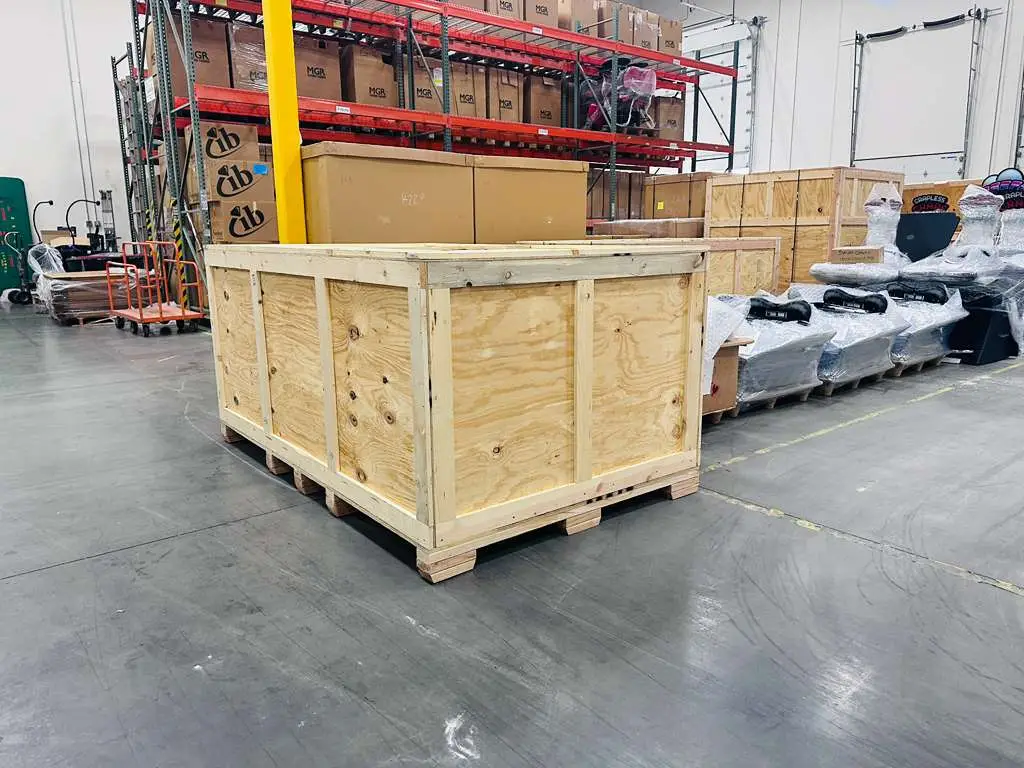
A crate can sometimes do more than transport an item. With a design developed for both uses, it may also help organize an exhibit, form part of a retail display or provide storage between events.
The second use needs its own requirements. A shipping crate should not automatically become seating, a public platform or a food-service surface. For Las Vegas events and interiors, discuss the intended use, load and location before construction or repurposing.
Trade show crates as display features
A crate designed alongside an exhibit could provide a display surround, concealed storage or a place to organize demonstration materials. Consider how its shipping panels open and where those panels will be stored during the event.
Before treating the crate as a counter or raised display, confirm the permitted load and stability with the designer. Check the event’s requirements for exhibit materials and installation. Transport hardware and rough edges may need different treatment where visitors can touch them.
Furniture-inspired uses in hospitality spaces
Wooden crate forms can suggest shelving or tables, but a shipping load rating does not establish suitability as furniture. Seating and any structure supporting people need a design and review appropriate to that use.
For a hotel or restaurant concept, discuss finishes, cleanability, exposed fasteners and the intended setting with the responsible designer. Avoid repurposing unknown packaging around food or guests without understanding its history and whether the materials are appropriate.
Retail displays with organized storage
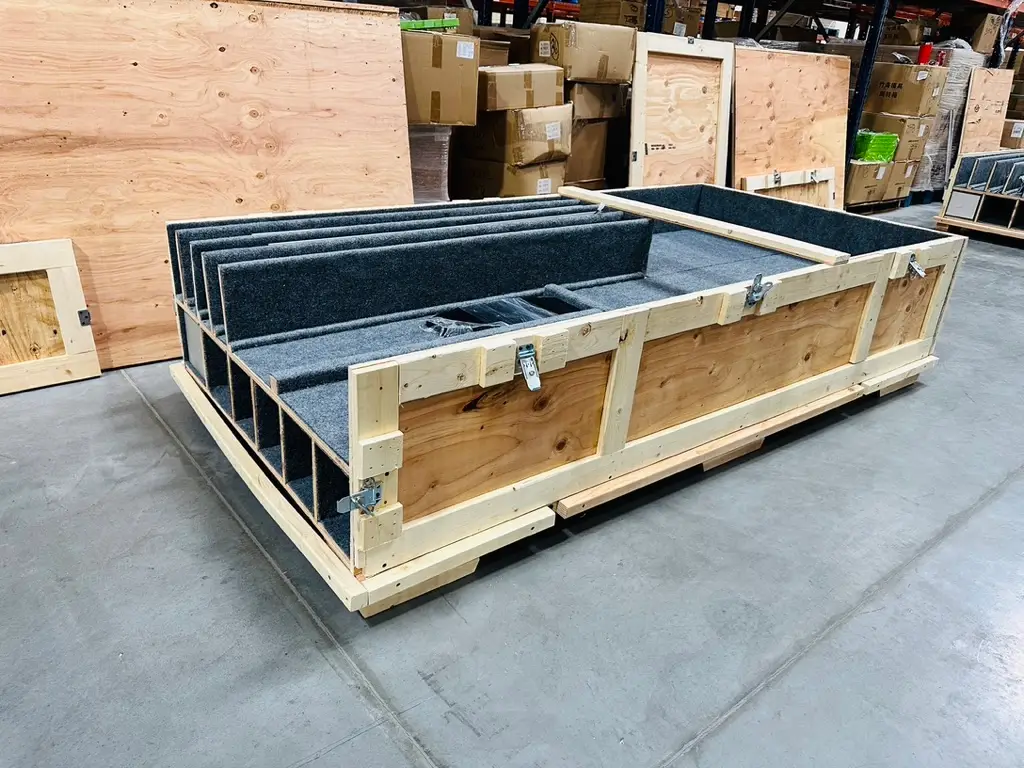
A purpose-designed crate can hold seasonal merchandise in transit and organize it between promotions. Removable dividers or labeled compartments may help staff manage the stock without repeatedly handling every item.
Plan the display layout so it remains stable and does not obstruct customer access. Stacking should be specifically designed and approved for the intended arrangement. The fact that crates nest neatly or look level is not proof that an unattended display is safe.
Art installations and exhibition settings
An artist may choose to make a crate part of an installation or use its appearance in a backdrop. If it will also support artwork, identify the load and contact surfaces as a separate design question.
A shipping crate fitted to protect an object may be unsuitable as its display plinth without modification. Coordinate with the artist, curator or installer, and ensure any alteration leaves the return-shipping arrangement understandable and serviceable.
Reuse with a defined purpose
Creative reuse is most useful when it replaces something the business actually needs. Track the condition of the crate and choose repair or material recovery based on its current state, rather than keeping damaged packaging indefinitely.
Before repurposing, ask:
- What will the crate hold or support?
- Will customers or staff touch, sit on or climb near it?
- Are its materials and prior use known?
- Does the installation need venue or specialist approval?
- Must the crate still work for a return shipment?
The EPA’s reduction and reuse guidance supports extending useful material life. That does not remove the need to assess the safety and suitability of a new use.
PLAN YOUR CRATING
Discuss a dual-purpose crate concept
Contact Crates of Las Vegas with the shipping requirements and a clear description of the proposed second use. Ask what can be included in the crating scope and which display or furniture requirements need a separate qualified designer.
Discuss Your Crating ProjectMORE CRATING GUIDES