
Industrial shipping
Why Custom Wooden Crates Matter for Las Vegas Industrial Shipping
Industrial shipments can combine heavy loads with vulnerable components. A motor, control cabinet or production machine may need a substantial base while still requiring protection for connectors, controls and finished surfaces.
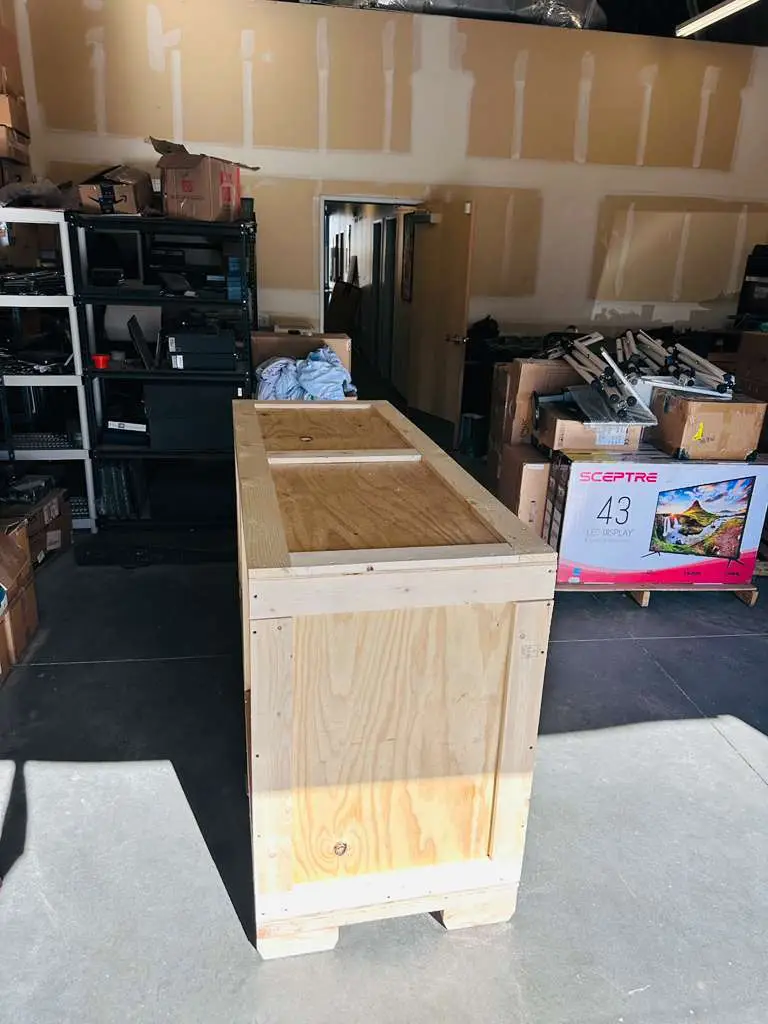
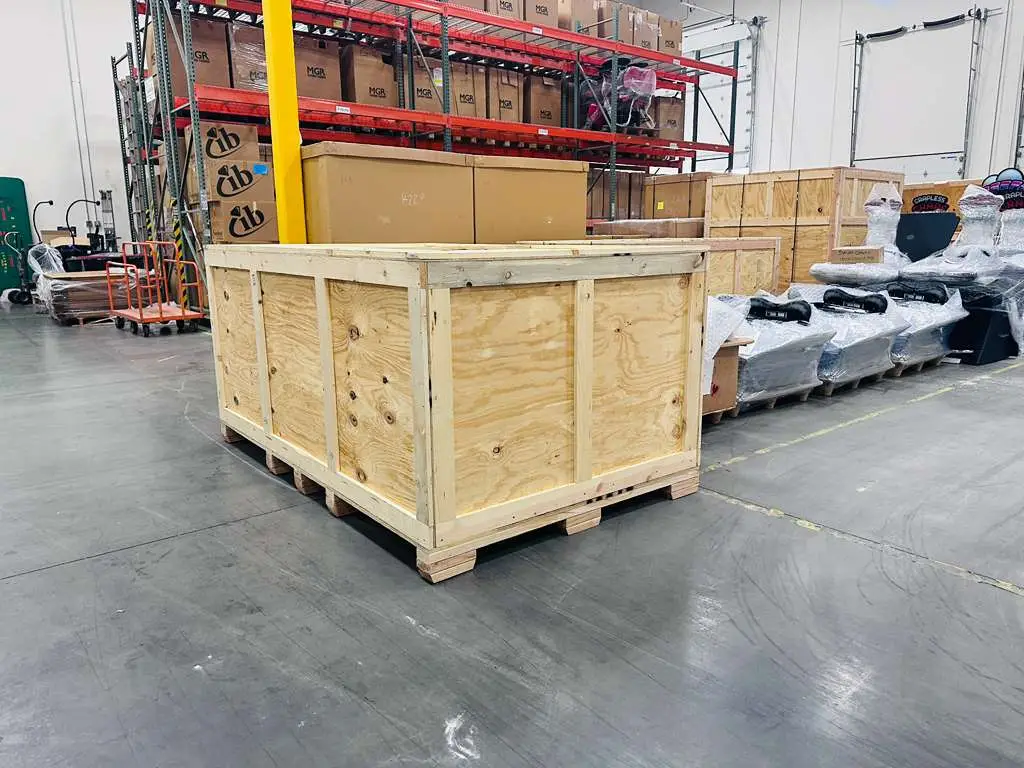
For Las Vegas businesses moving equipment between facilities or to a job site, a custom wooden crate is one packaging option worth evaluating. The right choice depends on the load, handling method, route and receiving conditions. A suitable pallet or skid may be sufficient for some equipment; an enclosure is useful where additional protection is needed.
Match Structural Strength to the Load
A crate should be designed around the actual weight and support requirements, rather than an assumption that thick panels make every load safe.
Provide:
- Equipment dimensions and confirmed weight
- Center of gravity, particularly for uneven or top-heavy loads
- Approved lifting and attachment points
- Areas that cannot take pressure or restraint
- Loading and unloading equipment at each end
- Any stacking restrictions or special orientation requirements
The base carries the load, while framing, panels and restraints perform different functions. Confirm the intended capacity and handling method with the provider. A wooden enclosure is not automatically rated for stacking, forklift lifting from every side or outdoor storage.
Use Custom Design to Reduce Damage and Downtime
Equipment damage can delay installation or interrupt operations. The packing plan should identify what could move, flex, rub or take an unintended load during transport.
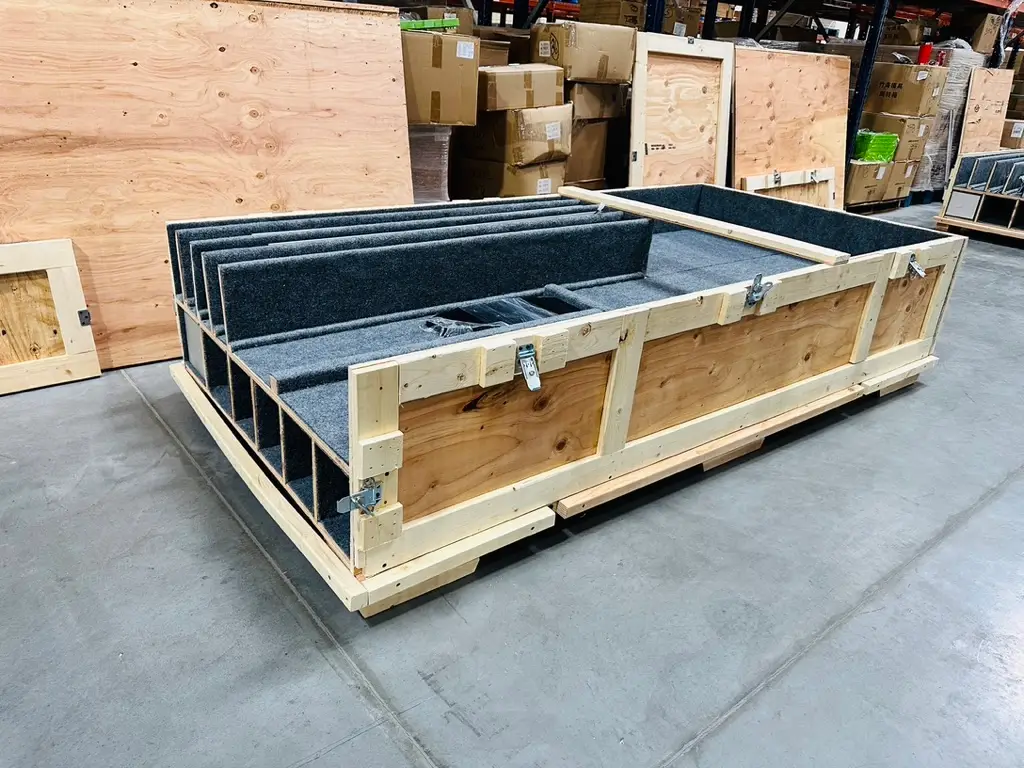
Blocking and bracing help restrain the equipment; cushioning can protect sensitive areas when chosen for the item's weight and fragility. These are separate design choices. FedEx's crate-shipping guidance also emphasizes construction and fasteners suited to the full load.
Check the manufacturer's shipping instructions before packing. Some equipment may need transit locks, detached accessories or preparation by a service team. A crate cannot compensate for an unsecured internal assembly.
Photograph the condition and packing arrangement. Keep loose components on an inventory, with labeled locations inside the package or in separate identified containers.
Plan for Loading Docks, Job Sites and Exposure
Industrial deliveries may involve outdoor handling, uneven access or a receiving location without a conventional dock. Confirm those conditions before selecting the crate and carrier service.
Useful questions include:
- Will the package wait outdoors before loading or unloading?
- Does the equipment have manufacturer temperature or humidity limits?
- Is dust protection required for exposed components?
- Are doors, lifts and access routes large enough for the completed crate?
- Who provides a forklift, crane or other required equipment?
A wooden crate should not be assumed weatherproof or temperature-controlled. If moisture barriers, corrosion protection or controlled transport are needed, specify them separately and confirm their suitability with the equipment owner or manufacturer.
Do not use the wood species alone as a performance claim. Construction, condition, fasteners and the support design all affect the package.
Separate Export Readiness from Cargo Protection
For an international route, review applicable wood-packaging requirements before fabrication. Solid-wood skids, framing and dunnage may need authorized treatment and marking even when the side panels are plywood.
The USDA APHIS wood-packaging overview explains the phytosanitary purpose of ISPM-15. Crossing a state line alone does not create that international requirement.
The packing mark does not replace the cargo's commercial documents, permits or import checks. Have the forwarder or broker confirm the shipment-specific requirements and arrange a contact for any inspection questions.
Assess Long-Term Value and Reuse
Reusable crates can be useful for equipment that travels to projects, exhibitions or service locations. Compare their value using the expected number of trips and the cost of storage, return freight, inspection and repairs.
A repeated-use design should make opening and repacking practical. Retain the component list, packing photographs and any manufacturer instructions so another team can reproduce the arrangement.
Inspect before every trip:
- Base, panels and framing
- Fasteners, latches and removable sections
- Restraints, cushions and interior supports
- Labels and handling instructions
- Signs of moisture, contamination or damage
Changes to the load require a new fit and support review. Repairs to packaging used internationally should also be checked for their effect on treatment and marking status.
Reuse can reduce discarded packaging, but it does not guarantee lower total cost or an environmental certification. Compare the complete life cycle relevant to your operation.
PLAN YOUR CRATING
Discuss an Industrial Crating Plan
Send Crates of Las Vegas your equipment specifications, photos, destination and handling details. Request an industrial crating quote that identifies the base, enclosure, interior packing and any loading or export requirements before you book collection.
Discuss your shipmentMORE CRATING GUIDES